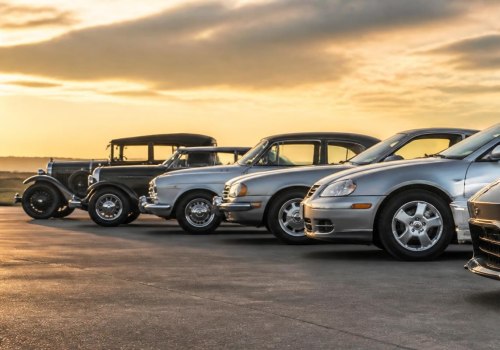
The world of car exterior styling is a fascinating journey through time, reflecting not only technological advancements but also cultural shifts and consumer preferences. From the early days of the automobile, where functionality often took precedence over aesthetics, to the sleek, aerodynamic designs of modern vehicles, the evolution of car exteriors has been marked by innovation and creativity. Each decade has brought its own unique flair, influenced by factors such as economic conditions, environmental concerns, and the ever-changing tastes of car enthusiasts.In the early 20th century, car design was primarily utilitarian, focusing on performance and reliability. However, as competition grew and consumer demand for style increased, manufacturers began to experiment with more artistic elements.
The 1950s and 1960s ushered in an era of bold colors and chrome accents, epitomizing the American dream of freedom and individuality. This period saw iconic designs that are still celebrated today, showcasing how car exterior styling can evoke emotions and create lasting impressions.As we delve deeper into the history of car design, it becomes clear that each iconic model not only represents a moment in time but also serves as a testament to the ingenuity of automotive engineers and designers. The evolution of car exteriors is not just about aesthetics; it’s about how these designs have adapted to meet the needs of society while pushing the boundaries of what is possible. Understanding this evolution allows us to appreciate the artistry behind each vehicle and recognize the timeless designs that continue to inspire new generations.
Classic American Muscle Cars
When it comes to car exterior styling, few categories evoke as much passion and nostalgia as classic American muscle cars.These vehicles, born in the 1960s and 1970s, are celebrated not only for their powerful engines but also for their striking designs that have left an indelible mark on automotive history.One of the most iconic models is the Ford Mustang. Launched in 1964, the Mustang's long hood and short rear deck created a sporty silhouette that has become synonymous with American muscle. Its aggressive front grille, bold lines, and wide stance give it a commanding presence on the road. The Mustang's design has evolved over the years, yet it retains the essence of its original styling, making it a timeless classic.Another standout in the realm of muscle car design is the Chevrolet Camaro.
Introduced in 1966 as a response to the Mustang, the Camaro features a more angular design with a pronounced front end and sculpted body lines. Its aggressive stance and distinctive rear taillights contribute to its reputation as a true American icon. The Camaro's design has undergone various transformations, but its core elements remain appealing to enthusiasts and collectors alike.
- Distinctive Features of Classic Muscle Cars:
- Bold Grilles: Both the Mustang and Camaro feature grilles that convey strength and performance.
- Sculpted Body Lines: The flowing lines of these cars enhance their aerodynamic profile while adding visual interest.
- Wide Stance: A broader track width gives these vehicles stability and an aggressive look.
- Color Options: Vibrant colors like red, blue, and yellow were popular choices that added to their appeal.
European Luxury Cars and Their Signature Styles
When it comes to European luxury cars, few brands exemplify car exterior styling as effectively as Mercedes-Benz and BMW.These manufacturers have consistently produced vehicles that not only perform exceptionally but also embody elegance and sophistication through their design.The Mercedes-Benz S-Class is often regarded as the pinnacle of luxury sedans. Its exterior design features a sleek silhouette, characterized by smooth lines and a bold front grille that commands attention. The integration of LED lighting technology enhances its modern appeal, while the elongated body conveys a sense of grandeur. This combination of elements not only signifies status but also reflects the brand's commitment to innovation in luxury car styling.Similarly, the BMW 7 Series showcases a distinctive design language that emphasizes sportiness and elegance.
The iconic kidney grille, paired with sharp headlights, creates a striking front fascia that is instantly recognizable. The sculpted sides and rear give the vehicle a dynamic presence, suggesting performance capabilities while maintaining an air of sophistication. This balance is crucial in the realm of European car design, where aesthetics must align with functionality.
- Timeless Elements: Both the S-Class and 7 Series incorporate timeless design elements that have become synonymous with luxury.
- Attention to Detail: Features such as chrome accents and high-quality paint finishes elevate their exterior styling.
- Innovative Technology: Advanced aerodynamics and lighting systems not only enhance appearance but also improve performance.
The Influence of Japanese Design on Car Aesthetics
The world of car exterior styling has been significantly shaped by Japanese design, which is renowned for its innovative aesthetics and functional elegance.Iconic models such as the Toyota Supra and Nissan Skyline exemplify this influence, showcasing a blend of performance and visual appeal that has resonated with car enthusiasts globally.One of the most celebrated examples is the Toyota Supra, particularly the A80 generation produced from 1993 to 2002. Its sleek lines, aggressive stance, and distinctive rear spoiler not only contributed to its aerodynamic efficiency but also established a bold visual identity that remains influential in modern sports car design. The Supra's design elements have inspired countless replicas and homage vehicles, solidifying its status as a timeless classic.Similarly, the Nissan Skyline, especially the R34 model, has left an indelible mark on automotive culture. Known for its sharp angles and muscular profile, the R34 combines functionality with a striking aesthetic that appeals to both casual drivers and racing aficionados. Its iconic quad headlights and wide body have become synonymous with high-performance vehicles, influencing designs across various manufacturers.Japanese car design is not just about aesthetics; it also reflects a philosophy of functionality and innovation.
Many Japanese automakers prioritize aerodynamics and efficiency in their designs, leading to trends that emphasize smooth contours and minimal drag. This approach has paved the way for advancements in fuel efficiency and performance, setting benchmarks that other countries strive to meet.In addition to these iconic models, several other Japanese cars have made significant contributions to car exterior trends. The Mazda RX-7, with its unique rotary engine and curvaceous body, showcases how design can enhance performance. Meanwhile, the Honda NSX introduced a new era of supercars with its mid-engine layout and sleek silhouette.Overall, the influence of Japanese design on car aesthetics is profound and enduring.
As global automotive trends continue to evolve, the principles established by these iconic vehicles will undoubtedly inspire future generations of car designers.
SUVs and Crossovers: The New Icons of Car Design
The rise of SUVs and crossovers has significantly transformed the landscape of car exterior styling, establishing new icons that resonate with modern consumers. Among these, the Jeep Wrangler stands out as a quintessential example of rugged design that has maintained its appeal over decades.The Jeep Wrangler's exterior is characterized by its boxy shape, high ground clearance, and signature seven-slot grille, which not only enhance its off-road capabilities but also contribute to its iconic status. This model embodies a sense of adventure and freedom, making it a favorite among outdoor enthusiasts.Another notable contender in the realm of SUV design is the Range Rover. Renowned for its luxurious yet robust exterior, the Range Rover combines elegance with functionality.Its sleek lines, distinctive silhouette, and commanding presence on the road have made it a symbol of prestige and sophistication.As we explore modern car exterior trends, it's evident that both SUVs and crossovers are increasingly designed with aerodynamics in mind. Features such as sculpted hoods, integrated spoilers, and LED lighting not only enhance aesthetics but also improve fuel efficiency. This shift towards more streamlined designs reflects a broader trend in the automotive industry where performance and style go hand in hand.
- Jeep Wrangler: Iconic for its ruggedness and off-road capabilities.
- Range Rover: A blend of luxury and robust design.
- Aerodynamic Features: Modern SUVs incorporate sleek lines for improved efficiency.
Electric Vehicles: Redefining Car Exterior Styling
The rise of electric vehicles (EVs) has ushered in a new era of car exterior styling, challenging traditional design norms and emphasizing a blend of sustainability and cutting-edge technology.Iconic models like the Tesla Model S and Rivian R1T showcase how EVs are not just about performance but also about making a bold statement on the road.
Tesla Model S
- The Tesla Model S features a sleek, aerodynamic silhouette that reduces drag, enhancing efficiency. Its minimalist design, characterized by smooth lines and a lack of traditional grilles, reflects a modern aesthetic that appeals to environmentally conscious consumers.
- With its flush door handles and panoramic glass roof, the Model S emphasizes a futuristic look that aligns with its electric nature, setting a benchmark for other manufacturers.
Rivian R1T
- The Rivian R1T takes a different approach by combining ruggedness with elegance. Its bold front fascia and distinctive lighting elements create an adventurous yet refined appearance, appealing to outdoor enthusiasts.
- This electric truck also incorporates sustainable materials in its construction, showcasing how EV exterior styling can prioritize both aesthetics and environmental responsibility.
As more manufacturers enter the electric market, we can expect to see even more creative designs that push the boundaries of traditional car styling.
Cultural Impact of Iconic Car Designs
The influence of iconic car designs extends far beyond their physical presence on the road; they have become cultural symbols that resonate through various forms of media and art. From the sleek lines of the Ford Mustang to the futuristic curves of the Tesla Model S, these vehicles have not only defined automotive aesthetics but have also shaped societal perceptions of freedom, innovation, and status.Cars in Film and Television
- The DeLorean DMC-12, made famous by the "Back to the Future" trilogy, is a prime example of how a car can become a character in its own right. Its distinctive gull-wing doors and stainless-steel body have made it an enduring symbol of time travel and adventure.
- The Mini Cooper, showcased in films like "The Italian Job," represents not just a vehicle but a lifestyle choice, embodying fun, agility, and urban sophistication.
Cars in Music and Art
- In music, the Chevrolet Corvette has been immortalized in countless songs, often symbolizing speed and rebellion. Artists like Jan and Dean celebrated its allure in their hit "Little Old Lady from Pasadena," cementing its place in American pop culture.
- Visual artists have also drawn inspiration from car designs.
The works of Andy Warhol, particularly his iconic prints of the Ford Mustang, highlight how these vehicles transcend mere transportation to become objects of desire and artistic expression.
The Broader Significance
The impact of car exterior styling on society is profound. These designs often reflect the technological advancements and cultural shifts of their time. For instance, the rise of electric vehicles like the Tesla Model 3 signifies a growing awareness of sustainability, while classic muscle cars evoke nostalgia for a bygone era of American automotive dominance.Ultimately, iconic car designs serve as more than just functional machines; they are integral to our cultural narrative, influencing everything from fashion to film. Their lasting appeal lies in their ability to connect with people on an emotional level, making them timeless symbols of aspiration and identity.
FAQs About Car Exterior Styling
When it comes to car exterior styling, enthusiasts and casual drivers alike often have questions about what makes a design iconic and timeless.Here are some frequently asked questions that delve into the nuances of car aesthetics.
What are the key elements of effective car exterior styling?
Effective car exterior styling typically includes:- Proportions: The balance between the length, width, and height of the vehicle.
- Lines and Curves: The use of sharp lines or smooth curves to create visual interest.
- Color and Finish: The choice of color and paint finish can significantly impact the overall look.
- Lighting: Innovative headlight and taillight designs that enhance both aesthetics and functionality.
How do cultural influences affect car design?
Cultural influences play a significant role in shaping car exterior styling. For instance:- Regional Preferences: Different markets may favor specific styles, such as compact cars in urban areas versus SUVs in suburban regions.
- Historical Context: Designs often reflect the era they were created in, incorporating trends from architecture, fashion, and technology.
What are some examples of timeless car designs?
Several vehicles have become icons due to their enduring designs:- Porsche 911: Known for its distinctive silhouette and rear-engine layout.
- Ford Mustang: A classic American muscle car with a bold front grille and long hood.
- Tesla Model S: Features a sleek, minimalist design that emphasizes aerodynamics.
Conclusion: The Enduring Legacy of Iconic Car Designs
In conclusion, the world of car exterior styling is rich with examples of designs that have not only defined eras but have also become cultural icons. From the sleek lines of the Jaguar E-Type to the bold stance of the Ford Mustang, these vehicles showcase how thoughtful design can transcend time and trends.The enduring legacy of these iconic designs lies in their ability to evoke emotion and nostalgia, connecting generations of car enthusiasts. Each model tells a story, reflecting the technological advancements and aesthetic preferences of its time while also paving the way for future innovations.- Timeless Appeal: Many classic designs continue to influence modern vehicles, proving that good design is indeed timeless.
- Cultural Impact: Cars like the Volkswagen Beetle and Porsche 911 have become symbols of their respective cultures, showcasing how car exterior styling can resonate on a global scale.
- Design Evolution: While trends may change, the fundamental principles of good design—balance, proportion, and harmony—remain constant.
As we look to the future, it is essential to remember these classics as benchmarks for innovation and creativity in automotive design.Ultimately, the legacy of iconic car exterior designs serves as a reminder that while technology evolves, the essence of what makes a car beautiful and memorable endures. The influence of these designs will continue to shape the automotive landscape for years to come.