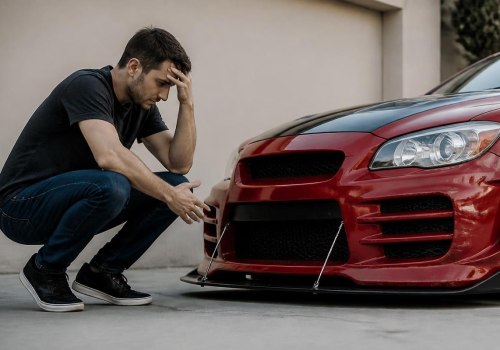
Car exterior styling is more than just a visual appeal; it serves as a crucial element in defining a car manufacturer’s brand identity. The design choices made in the exterior of a vehicle—ranging from the shape of the body to the color palette—are meticulously crafted to evoke specific emotions and associations in potential buyers. For instance, a sleek, aerodynamic silhouette may suggest speed and performance, while a robust, angular design might convey strength and durability. These stylistic decisions are not arbitrary; they are deeply rooted in the brand's ethos and target market.In the competitive landscape of the automotive industry, where consumers are bombarded with choices, car design plays a pivotal role in differentiation.
A well-executed exterior can capture attention and create an immediate connection with the audience. Brands like Tesla have revolutionized perceptions of electric vehicles through innovative styling that emphasizes modernity and sustainability, while luxury brands like Mercedes-Benz utilize classic lines and opulent finishes to communicate prestige and sophistication. This interplay between aesthetics and brand messaging is essential for manufacturers aiming to establish a lasting impression.Moreover, automotive aesthetics extend beyond mere looks; they encompass functionality and user experience as well. Features such as LED lighting, grille designs, and even the choice of materials contribute to both the visual narrative and practical performance of the vehicle.
As consumers increasingly prioritize sustainability, manufacturers are also exploring eco-friendly materials and designs that reflect a commitment to environmental responsibility. Thus, understanding car exterior styling is vital for grasping how these elements collectively shape consumer perceptions and influence purchasing decisions.
The Role of Design Elements in Brand Representation
The design elements of a car's exterior play a crucial role in conveying the brand identity of a manufacturer. Each feature, from the overall shape to the choice of materials, contributes to how consumers perceive the brand.Shape and Silhouette
- The shape of a vehicle is often the first aspect that captures attention. For instance, sleek and aerodynamic designs are typically associated with luxury brands, suggesting speed and sophistication.
- Conversely, boxy shapes may evoke feelings of ruggedness and durability, appealing to brands that focus on utility and off-road capabilities.
Color Choices
- Color is another powerful design element that can significantly influence brand representation.
Bright colors like red or yellow often signify sportiness and excitement, aligning with brands that target younger, more adventurous consumers.
- On the other hand, muted tones such as black, silver, or white are frequently used by premium brands to convey elegance and timelessness.
Material Selection
- The materials used in a car's exterior also reflect its brand image. High-end manufacturers often utilize materials like aluminum or carbon fiber to emphasize performance and luxury.
- In contrast, more affordable brands may opt for plastic or steel to keep costs down while still ensuring durability.
Case Studies: Iconic Car Designs and Their Brands
When examining the relationship between car exterior styling and brand identity, several iconic car designs stand out as prime examples of how aesthetics can shape public perception. These designs not only reflect the values and aspirations of their manufacturers but also resonate deeply with consumers.1.Ford Mustang: The American Muscle Car
The Ford Mustang, first introduced in 1964, is a quintessential example of automotive branding.Its aggressive stance, long hood, and short rear deck have become synonymous with American muscle. The design evokes a sense of freedom and power, appealing to a demographic that values performance and individuality. Over the decades, the Mustang's exterior has evolved, yet it has consistently retained its core elements that reflect Ford's commitment to innovation while honoring its heritage.
2.Tesla Model S: Futuristic Minimalism
The Tesla Model S showcases a stark contrast to traditional car designs with its sleek, minimalist exterior. This design choice aligns perfectly with Tesla's brand image as a pioneer in electric vehicles.The smooth lines and absence of a front grille not only enhance aerodynamics but also symbolize a break from conventional automotive norms. This iconic car design has helped position Tesla as a leader in sustainability and technology.
3.Volkswagen Beetle: Timeless Charm
The Volkswagen Beetle is another classic example where car exterior styling has played a crucial role in branding. Its rounded shape and friendly demeanor have made it an enduring symbol of the brand's commitment to accessibility and fun. The Beetle's design has remained largely unchanged over the years, reinforcing its nostalgic appeal while attracting new generations of drivers.4.BMW 3 Series: The Ultimate Driving Machine
The BMW 3 Series exemplifies the brand's philosophy of combining sportiness with elegance.Its distinctive kidney grille and dynamic lines convey a sense of performance and luxury. This automotive branding strategy has successfully positioned BMW as a manufacturer that delivers on both driving pleasure and premium quality.In conclusion, these case studies illustrate how iconic car designs are not merely aesthetic choices but strategic decisions that reflect the essence of their respective brands. By analyzing these models, we can see how exterior styling plays a pivotal role in shaping consumer perceptions and brand loyalty.
Consumer Perception and Market Trends
The car exterior styling plays a crucial role in shaping consumer perception and aligning with current market trends. As automotive design evolves, manufacturers must stay attuned to the preferences of their target audience to maintain brand relevance.Consumer preferences are increasingly influenced by factors such as sustainability, technology integration, and aesthetic appeal.For instance, the rise of electric vehicles has prompted manufacturers to adopt more futuristic designs that reflect innovation and eco-friendliness. This shift is evident in the sleek lines and minimalistic features of many new electric models, which aim to convey a sense of modernity and environmental consciousness.
Market Trends in Automotive Design
In addition to consumer preferences, broader market trends significantly impact car exterior styling. The demand for SUVs and crossovers has led manufacturers to redesign their offerings, focusing on a more robust and aggressive appearance. This trend not only caters to consumer desires for larger vehicles but also enhances the perceived safety and capability of the brand.- Customization: Many consumers now seek personalized options that allow them to express their individuality.
Manufacturers are responding by offering a range of customizable exterior features, from color choices to body kits.
- Technology Integration: The incorporation of advanced technologies, such as LED lighting and smart sensors, is becoming a standard expectation. These features not only enhance functionality but also contribute to a modern aesthetic that appeals to tech-savvy buyers.
- Sustainability: As environmental concerns grow, brands are increasingly focusing on sustainable materials and production methods in their exterior designs. This commitment can enhance brand image and attract eco-conscious consumers.
The Future of Car Exterior Styling: Innovations and Sustainability
As the automotive industry evolves, car exterior styling is increasingly influenced by technological advancements and a growing emphasis on sustainability.Manufacturers are not only focusing on aesthetics but also on how their designs can reflect their commitment to environmental responsibility.
Innovations in Car Design
- 3D Printing: This technology allows for more intricate and customizable designs, enabling manufacturers to create unique car exteriors that stand out in a crowded market.
- Aerodynamics: Enhanced aerodynamic features are being integrated into car designs to improve fuel efficiency and performance, showcasing a brand's dedication to innovation.
- Smart Materials: The use of materials that can change color or texture based on environmental conditions is becoming more prevalent, allowing for dynamic styling that reflects a brand's forward-thinking ethos.
Sustainable Automotive Design
- Recycled Materials: Many manufacturers are now incorporating recycled plastics and metals into their car exteriors, reducing waste and promoting a circular economy.
- Eco-Friendly Paints: The shift towards water-based and low-VOC paints not only minimizes environmental impact but also aligns with consumer preferences for sustainable products.
- Energy Efficiency: Designs that prioritize energy efficiency, such as solar panels integrated into the exterior, reflect a brand's commitment to sustainability while enhancing functionality.
FAQs About Car Exterior Styling and Brand Image
Understanding the relationship between car exterior styling and brand image is crucial for both consumers and manufacturers. Here are some frequently asked questions that delve into this topic:- How does car exterior styling influence consumer perception? The exterior design of a vehicle is often the first aspect that potential buyers notice.
A sleek, modern design can evoke feelings of luxury and innovation, while a rugged, muscular appearance may suggest durability and strength. This initial impression can significantly influence a consumer's decision-making process.
- What role does brand identity play in car exterior design? Each car manufacturer has a unique brand identity that is reflected in their exterior styling. For instance, brands like Ferrari emphasize speed and performance through aerodynamic shapes, while brands like Jeep focus on ruggedness and adventure with boxy, robust designs. This alignment helps reinforce the brand's message and values.
- Are there trends in car exterior styling that affect brand image? Yes, trends such as sustainability and minimalism are increasingly influencing automotive design.
Manufacturers that adopt eco-friendly materials or streamlined designs may enhance their brand image as forward-thinking and environmentally conscious.
- How do cultural factors impact car exterior styling? Cultural preferences can greatly affect how a car's exterior is designed. For example, in markets where compact cars are favored, manufacturers may prioritize smaller, more efficient designs. Conversely, in regions where larger vehicles are popular, brands might focus on producing SUVs or trucks with bold exteriors.
Conclusion: The Lasting Impact of Car Exterior Styling on Brand Identity
In conclusion, the car exterior styling serves as a critical element in defining a car manufacturer's brand identity. Throughout this article, we have explored how the visual aspects of a vehicle—ranging from its shape and color to the materials used—play a significant role in consumer perception and brand loyalty.One of the most compelling aspects of car exterior styling is its ability to evoke emotions and create a connection with potential buyers.For instance, sleek lines and aggressive stances often communicate performance and speed, appealing to enthusiasts who prioritize driving dynamics. Conversely, rounded edges and softer designs may attract families seeking safety and comfort.Moreover, the consistency in exterior design across a manufacturer’s lineup reinforces brand recognition. Iconic features, such as the distinctive grille of a luxury brand or the unique taillights of a sports car, become synonymous with the brand itself. This visual language not only differentiates one manufacturer from another but also fosters a sense of community among owners.As we look to the future, it is clear that car exterior styling will continue to evolve alongside technological advancements and changing consumer preferences.
Electric vehicles, for example, are pushing boundaries in design, challenging traditional aesthetics while promoting sustainability.Ultimately, the impact of car exterior styling on brand identity cannot be overstated. It is an essential tool for manufacturers to convey their values, attract their target audience, and establish a lasting presence in an increasingly competitive market.