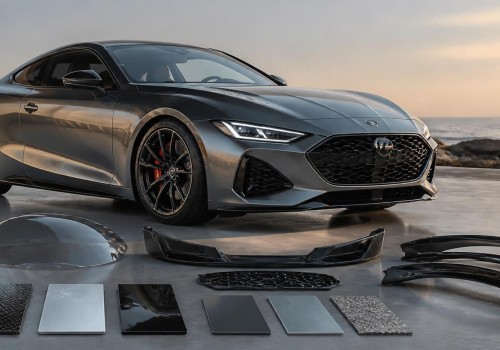
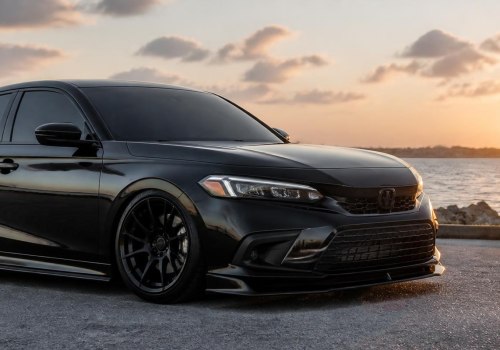
In the world of automotive design, car exterior styling plays a pivotal role in shaping not only the vehicle's identity but also its market appeal. The exterior of a car is often the first point of contact for potential buyers, making it a crucial element in the decision-making process. A well-designed exterior can evoke emotions, convey brand values, and even influence perceptions of performance and safety. As such, understanding the nuances of car design is essential for both manufacturers and consumers alike. The significance of automotive aesthetics extends beyond mere visual appeal; it encompasses functionality, aerodynamics, and even cultural trends.
For instance, a sleek, low-profile design may suggest speed and agility, while a robust, muscular shape can imply strength and durability. These stylistic choices are not arbitrary; they are carefully crafted to resonate with target demographics and align with current market trends. As consumers become more discerning, the demand for unique and striking designs continues to rise, pushing manufacturers to innovate and differentiate their offerings. Moreover, the size and shape of a car significantly influence its exterior styling. Compact cars often feature streamlined designs that enhance fuel efficiency, while larger vehicles may adopt bold lines and aggressive stances to project power.
This interplay between size, shape, and style is a fascinating aspect of automotive design that reflects broader societal values and consumer preferences. As we delve deeper into this topic, we will explore how these elements come together to create compelling car exteriors that not only attract attention but also fulfill practical needs.
The Role of Size in Car Exterior Styling
The size of a car plays a crucial role in its exterior styling, influencing not only the visual appeal but also the overall perception of the vehicle. Larger cars, such as SUVs and trucks, often convey a sense of power and dominance on the road. Their substantial dimensions allow for bold design elements, such as pronounced grilles and muscular body lines, which enhance their commanding presence.In contrast, small cars or compact vehicles tend to prioritize agility and efficiency in their design.These cars often feature sleeker profiles and more streamlined shapes, which contribute to improved aerodynamics and fuel efficiency. The compact nature of these vehicles allows designers to focus on creating a sporty aesthetic, often incorporating sharp angles and dynamic curves that suggest movement even when stationary.
- Proportions: The proportions of a car are significantly affected by its size. Larger vehicles typically have longer hoods and shorter rear decks, while smaller cars may have a more balanced look with equal front and rear lengths.
- Visual Weight: A larger car's exterior styling often includes heavier visual elements, such as wider fenders and larger wheels, which contribute to a robust appearance. In contrast, small cars utilize lighter design features to maintain an agile look.
- Market Positioning: The size of a car also influences its target market.
Larger vehicles are often marketed towards families or those needing more space, while compact cars appeal to urban dwellers seeking convenience and maneuverability.
How Shape Influences Car Aesthetics
The shape of a car plays a crucial role in its exterior styling, influencing not only aesthetics but also functionality. Different vehicle shapes, such as sedans, SUVs, and coupes, each convey distinct messages about the brand and its intended use.Sedan vs. SUV: A Study in Contrasts
Sedans typically feature a streamlined silhouette that emphasizes elegance and efficiency.Their elongated bodies and lower profiles are designed to reduce air resistance, enhancing aerodynamic design. This not only contributes to better fuel efficiency but also gives sedans a sophisticated appearance that appeals to a wide range of consumers.In contrast, SUVs boast a more robust and muscular shape. Their higher stance and boxy design suggest strength and versatility, making them appealing to families and adventure-seekers alike. The larger dimensions allow for greater cargo space and a commanding view of the road, which are key selling points for this segment.
The Role of Coupe Design
Coupes, with their sporty and compact shapes, are designed to evoke a sense of speed and performance.The sloping roofline and shorter wheelbase create an aggressive stance that attracts enthusiasts looking for a thrilling driving experience. This shape not only enhances the car's exterior styling but also aligns with the brand's identity as a performance-oriented manufacturer.
Aerodynamics and Brand Identity
Designers meticulously consider aerodynamics when crafting a vehicle's shape. Features like air intakes, spoilers, and sculpted sides are not merely decorative; they serve functional purposes that improve airflow and stability at high speeds. A well-designed car silhouette can significantly enhance performance while reinforcing the brand's image—whether it’s luxury, sportiness, or ruggedness.Ultimately, the interplay between shape and exterior styling is essential in defining a vehicle's character.By understanding how different shapes affect aesthetics and performance, manufacturers can create cars that resonate with consumers on multiple levels.
The Intersection of Size and Shape in Design Philosophy
The relationship between size and shape in automotive design is a critical aspect of car exterior styling, influencing not only aesthetics but also consumer perception. Designers must carefully consider how these elements interact to create a cohesive and appealing vehicle.Design Philosophy in Automotive
A successful design philosophy integrates size and shape to evoke specific emotions and responses from potential buyers. For instance, a larger vehicle often conveys strength and presence, while a smaller car may suggest agility and efficiency. This perception is not merely subjective; it is rooted in the psychological impact of visual cues.
A well-proportioned car, regardless of its size, can create a sense of harmony that resonates with consumers.
Size-Shape Relationship in Cars
The interplay between size and shape can be seen in various automotive segments:
- SUVs: Typically larger, they feature bold lines and an imposing stance that communicate power and capability.
- Sports Cars: Often lower to the ground with sleek, aerodynamic shapes, they emphasize speed and performance.
- Compact Cars: These vehicles utilize smaller dimensions with rounded edges to enhance maneuverability and urban appeal.
Cohesive Car Design
A cohesive design emerges when size and shape work in tandem to create a unified look. This involves not just the exterior silhouette but also how elements like headlights, grilles, and body lines complement each other. A well-executed design can enhance brand recognition and loyalty, as consumers often associate specific shapes and sizes with particular manufacturers.In conclusion, the intersection of size and shape in automotive design is fundamental to crafting compelling car exterior styling.
By understanding this relationship, designers can create vehicles that not only attract attention but also resonate deeply with consumers' desires and expectations.
Case Studies: Iconic Cars and Their Styling Choices
When examining iconic car designs, it becomes evident that the interplay between size, shape, and car exterior styling is crucial in defining a vehicle's character. Several case studies illustrate how successful automotive designs have leveraged these elements to create memorable and impactful vehicles.1.The Ford Mustang
Introduced in 1964, the Ford Mustang revolutionized the automotive industry with its sleek, elongated hood and compact rear. The car's size allowed for a sporty appearance while maintaining practicality. Its muscular stance and aggressive lines not only appealed to a younger demographic but also set a new standard for exterior styling in the muscle car segment.2.The Volkswagen Beetle
The Volkswagen Beetle is another prime example of how shape influences perception.Its rounded silhouette and compact dimensions create an instantly recognizable profile that exudes friendliness and approachability. The design was not only functional, allowing for efficient aerodynamics, but also became a cultural icon, demonstrating that successful automotive designs can transcend mere transportation.
3.The Tesla Model S
The Tesla Model S showcases how modern technology can influence car exterior styling. Its sleek, elongated shape is designed for optimal aerodynamics, enhancing performance while providing a futuristic aesthetic. The absence of a traditional grille emphasizes its electric nature, making a bold statement about the future of automotive design.4.The Lamborghini Miura
The Lamborghini Miura, often hailed as one of the most beautiful cars ever made, exemplifies how size and shape can create an emotional response.Its low profile and wide stance give it an aggressive look that is both elegant and powerful. The Miura's design has influenced countless supercars, proving that thoughtful case studies in car styling can lead to timeless designs.These examples highlight that the relationship between size, shape, and car exterior styling is not merely aesthetic; it plays a vital role in branding and consumer perception. By understanding these dynamics, automotive designers can create vehicles that resonate with their target audience while standing out in a competitive market.
Trends in Car Exterior Styling: Size and Shape Considerations
In recent years, the trends in car exterior styling have evolved significantly, with a strong emphasis on the size and shape of vehicles. As consumer preferences shift towards more practical and aesthetically pleasing designs, manufacturers are adapting their approaches to meet these demands.One of the most notable trends is the move towards compact and aerodynamic shapes.Modern consumers often favor vehicles that not only look sleek but also enhance fuel efficiency. This has led to a rise in the popularity of hatchbacks and crossovers, which combine functionality with a stylish exterior. The streamlined designs reduce drag, contributing to better performance and lower emissions.
- Bold Lines and Angles: Many manufacturers are incorporating sharp lines and aggressive angles into their designs. This trend reflects a desire for vehicles that convey a sense of power and dynamism.
- Minimalist Aesthetics: Simplicity is key in current car designs.
Clean surfaces and fewer embellishments create a modern look that appeals to younger buyers.
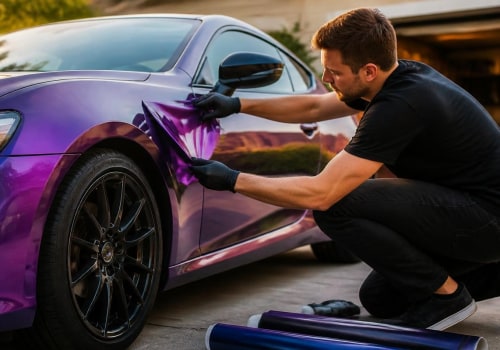
- Customization Options: With advancements in technology, consumers are increasingly looking for personalized options. Manufacturers are responding by offering customizable exterior features, allowing buyers to choose colors, finishes, and even shapes that reflect their individual style.
Lightweight materials not only enhance performance but also allow for more intricate shapes that were previously difficult to achieve. This fusion of form and function is set to redefine what consumers expect from their vehicles.In conclusion, the size and shape of cars play a crucial role in their exterior styling, influenced by current trends and future innovations. As consumer preferences continue to evolve, so too will the designs that define the automotive landscape.
FAQs About Car Exterior Styling and Design Choices
When it comes to car exterior styling, many enthusiasts and potential buyers have questions about how design choices impact the overall look and functionality of a vehicle. Here are some frequently asked questions that can help clarify these concepts:- What factors influence car exterior styling?
The exterior styling of a car is influenced by various factors including aerodynamics, brand identity, consumer preferences, and safety regulations.Designers often balance aesthetics with functionality to create a visually appealing yet practical vehicle.
- How does size affect car design?
The size of a car plays a crucial role in its exterior styling. Larger vehicles often feature more aggressive lines and bold proportions, while smaller cars may emphasize sleekness and compactness. The shape can also affect aerodynamics, which is essential for fuel efficiency. - Are there trends in car exterior styling?
Yes, automotive design trends evolve over time. Currently, there is a shift towards more angular designs with sharp lines and LED lighting elements.Additionally, eco-friendly materials and sustainable practices are becoming increasingly popular in the industry.
- What role does color play in car exterior styling?
Color significantly impacts the perception of a car's design. Bright colors can make a vehicle stand out, while neutral tones often convey sophistication. Manufacturers frequently offer limited edition colors to attract buyers looking for something unique. - Can exterior styling affect resale value?
Absolutely! A well-designed exterior that aligns with current trends can enhance a vehicle's resale value. Cars that are perceived as stylish or iconic often retain their value better than those with outdated designs.
Conclusion: The Future of Car Exterior Styling
As we look towards the future of car exterior styling, it is clear that the interplay between size and shape will continue to evolve, shaping not only aesthetics but also functionality and performance.The trends we observe today suggest a shift towards more aerodynamic designs that enhance fuel efficiency while maintaining visual appeal.One of the most significant factors influencing future car exterior styling is the growing emphasis on sustainability. As manufacturers strive to reduce their carbon footprints, we can expect to see a rise in compact and lightweight vehicles. These designs will not only be more environmentally friendly but will also allow for innovative styling that prioritizes sleek lines and minimalistic features.
Technological Integration
Moreover, advancements in technology are set to redefine how we perceive car shapes. With the integration of smart materials and adaptive designs, vehicles may soon feature exteriors that can change shape or color based on environmental conditions or driver preferences.This adaptability could lead to a new era of personalized car exterior styling, where each vehicle becomes a unique expression of its owner.