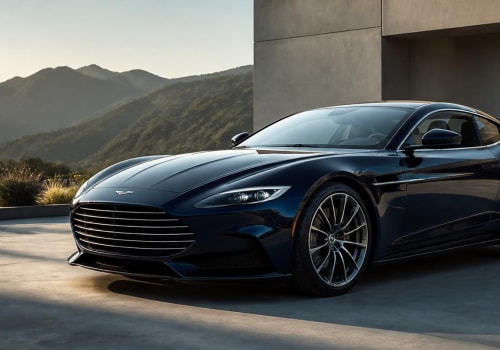
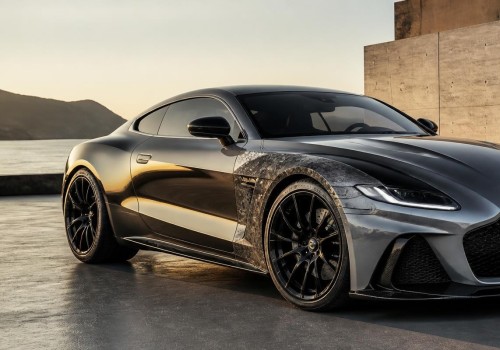
Car exterior styling is a crucial aspect of automotive design that significantly impacts the overall aesthetics of a vehicle. It encompasses various elements, including the shape, color, and materials used in the car's body, all of which contribute to its visual appeal. The way a car looks can evoke emotions and create a strong first impression, making it an essential factor for manufacturers aiming to attract potential buyers. In a market saturated with options, distinctive vehicle aesthetics can set a model apart from its competitors. The principles of design play a vital role in car exterior styling.
Designers must consider factors such as proportion, balance, and harmony to create a cohesive look that resonates with consumers. For instance, sleek lines and aerodynamic shapes not only enhance the vehicle's beauty but also improve its performance by reducing drag. Additionally, color choices and finishing touches like chrome accents or matte finishes can further elevate the car's presence on the road. Ultimately, car exterior styling is more than just skin deep; it reflects the brand's identity and values. A well-styled vehicle can communicate luxury, sportiness, or ruggedness, influencing consumer perception and driving purchasing decisions.
As automotive technology continues to evolve, the importance of innovative and appealing vehicle aesthetics will only grow, making it essential for manufacturers to stay ahead of design trends while meeting consumer expectations.
Key Elements of Car Exterior Styling
When it comes to car exterior styling, several key elements play a crucial role in defining the overall appearance of a vehicle. Understanding these components can help consumers appreciate the artistry and engineering that goes into modern automotive design.- Shape and Silhouette: The overall shape of a car significantly influences its visual appeal. Sleek, aerodynamic lines can suggest speed and efficiency, while more angular designs may convey strength and ruggedness. The silhouette is often the first aspect that captures attention, making it essential for manufacturers to create distinctive profiles that stand out on the road.
- Color: Color choice is another vital aspect of car exterior styling.
Bright, bold colors can evoke excitement and energy, while muted tones often suggest sophistication and elegance. Additionally, the finish—whether matte, glossy, or metallic—can enhance or alter the perception of color, affecting how light interacts with the vehicle's surface.
- Materials: The materials used in a car's exterior also contribute to its aesthetic. High-quality metals, plastics, and composites not only improve durability but can also enhance visual appeal. For instance, the use of lightweight materials can lead to more dynamic shapes without compromising structural integrity.
- Design Features: Specific design features such as headlights, grilles, and bumpers are critical in defining a vehicle's character.
Unique headlight shapes can give a car a modern or aggressive look, while grille designs can reflect brand identity. These elements work together to create a cohesive style that resonates with potential buyers.
The Role of Aerodynamics in Exterior Design
Aerodynamics plays a crucial role in car exterior styling, influencing not only the vehicle's appearance but also its performance. The principles of aerodynamics dictate how air flows around a car, affecting factors such as drag, lift, and stability.Designers must carefully consider these elements to create a vehicle that is both visually appealing and functionally efficient.One of the primary goals of aerodynamic design is to minimize drag, which can significantly impact fuel efficiency and overall performance. Cars with sleek, streamlined shapes tend to experience less air resistance, allowing them to move more smoothly through the atmosphere. This is why many modern vehicles feature curved lines and tapered edges, which enhance their aesthetic appeal while also serving a practical purpose.
- Drag Reduction: A well-designed exterior can reduce drag by up to 30%, leading to better fuel economy.
- Stability: Aerodynamic features like spoilers and diffusers not only enhance the look of a car but also improve downforce, providing better traction at high speeds.
- Cooling Efficiency: Proper airflow management through grilles and vents is essential for engine cooling, which can be integrated into the design without compromising style.
For instance, luxury brands often employ smooth contours that convey sophistication while still adhering to aerodynamic principles.In conclusion, aerodynamics in car design is not merely a technical consideration; it is an integral part of the vehicle's overall styling. By harmonizing form and function, designers can create cars that are not only beautiful but also perform exceptionally well on the road.
Cultural Influences on Car Exterior Styling
The cultural influences on car exterior styling are profound, shaping not only the aesthetics of vehicles but also consumer preferences across different regions. Each culture brings its own set of values, traditions, and aesthetics that significantly impact how cars are designed and perceived.For instance, in the United States, there is a strong emphasis on muscle cars and SUVs, reflecting a culture that values power and ruggedness. This preference is evident in the bold lines and aggressive stances of American vehicles, which often feature larger grilles and more pronounced wheel arches.In contrast, European car design tends to prioritize elegance and efficiency, with sleek profiles and understated details that appeal to a market that values sophistication and performance.In Asia, particularly in countries like Japan and South Korea, car exterior styling often incorporates elements of innovation and futurism. Brands like Toyota and Hyundai have embraced cutting-edge designs that reflect a tech-savvy culture. The use of sharp angles, dynamic shapes, and vibrant colors resonates with younger consumers who seek vehicles that stand out on the road.
- Regional Styling Trends:
- North America: Emphasis on power and size.
- Europe: Focus on elegance and aerodynamics.
- Asia: Innovation and futuristic designs.
- Consumer Preferences:
- Cultural values influence what consumers find appealing in vehicle design.
- Trends can shift rapidly based on societal changes or economic factors.
This shift is evident in the increasing popularity of electric vehicles (EVs), which often feature sleek, modern designs that emphasize efficiency.Ultimately, understanding these cultural influences is crucial for manufacturers aiming to create vehicles that resonate with diverse consumer bases. By aligning car exterior styling with regional preferences and cultural values, automakers can enhance their appeal and drive sales in an increasingly competitive market.
The Psychological Impact of Car Exterior Styling
The psychology of car design plays a crucial role in how consumers perceive vehicles. The exterior styling of a car is often the first point of contact for potential buyers, making it essential for manufacturers to create designs that resonate emotionally with their target audience. A well-designed exterior can evoke feelings of excitement, luxury, or even nostalgia, significantly influencing consumer emotions.For instance, sleek lines and aggressive stances may appeal to younger buyers seeking a sporty image, while rounded edges and softer features might attract families looking for safety and comfort.This emotional connection can lead to a stronger brand loyalty, as consumers often associate specific styles with particular lifestyles or values.
- Consumer Emotions: The exterior design can trigger various emotions. A bold, muscular look may instill confidence and power, while a minimalist design can convey sophistication and elegance.
- Brand Perception: Car manufacturers invest heavily in creating a distinctive visual identity. A recognizable style helps establish brand perception; for example, luxury brands often feature sleek, refined designs that communicate exclusivity.
- Influencing Purchasing Decisions: Research shows that consumers are more likely to choose vehicles that align with their self-image. If a car's exterior styling resonates with their personal values or aspirations, they are more inclined to make a purchase.
Understanding these psychological factors can help manufacturers design vehicles that not only look appealing but also connect with buyers on a deeper level, ultimately driving sales and fostering brand loyalty.
Future Trends in Car Exterior Styling
As the automotive industry evolves, car exterior styling is undergoing a significant transformation driven by technological advancements and changing consumer preferences. One of the most notable trends is the rise of electric vehicles (EVs), which are not only redefining performance but also aesthetics.Innovative styling trends
are emerging as manufacturers seek to differentiate their electric models from traditional combustion engine vehicles. The sleek, aerodynamic shapes of EVs are designed to enhance efficiency and range, leading to a more futuristic appearance. For instance, many new models feature smooth lines and minimalistic designs that reduce drag, showcasing a commitment to both style and functionality.- Use of Sustainable Materials: With an increasing focus on sustainability, car manufacturers are incorporating eco-friendly materials into their designs.
This includes recycled plastics, natural fibers, and even bio-based composites that not only reduce environmental impact but also offer unique textures and finishes.
- Adaptive Lighting Systems: The integration of advanced lighting technologies, such as LED and OLED systems, allows for more creative and expressive front-end designs. These systems can change colors or patterns based on driving conditions or driver preferences, adding a dynamic element to car exterior styling.
- Personalization Options: Consumers are increasingly looking for ways to personalize their vehicles. Manufacturers are responding by offering customizable exterior features, such as interchangeable body panels or unique paint finishes that reflect individual tastes.
As we move forward, the fusion of sustainability, technology, and personalization will shape the vehicles of tomorrow.
FAQs About Car Exterior Styling
When it comes to car exterior styling, many enthusiasts and potential buyers have questions that can help them understand its impact on vehicle aesthetics. Here are some frequently asked questions:- What are the key elements of car exterior styling?
The main elements include the shape of the body, the design of the headlights and taillights, the grille style, and the overall color scheme. Each component plays a crucial role in defining the vehicle's personality. - How does car exterior styling influence consumer perception?
A well-styled car can evoke emotions and create a strong first impression. Consumers often associate sleek designs with performance and luxury, while more rugged styles may suggest durability and adventure. - Can I customize my car's exterior styling?
Absolutely! Many car owners choose to personalize their vehicles through aftermarket modifications such as custom paint jobs, body kits, or unique wheel designs.These changes can significantly enhance the overall look.
- What styling tips should I consider for my vehicle?
When considering car exterior styling, think about: - Choosing a color that reflects your personality.
- Incorporating modern design trends while maintaining a timeless appeal.
- Ensuring that any modifications align with your vehicle's original design ethos.
- Does exterior styling affect resale value?
Yes, a well-styled vehicle often retains its value better than one with outdated or unattractive aesthetics. Buyers are generally willing to pay more for cars that look appealing and modern.
Conclusion: The Significance of Car Exterior Styling in Automotive Design
In conclusion, car exterior styling plays a pivotal role in the overall aesthetic appeal and marketability of a vehicle. As we have explored throughout this article, the design elements of a car's exterior not only influence consumer perception but also reflect the brand's identity and values.Several key factors highlight the significance of car exterior styling:- Aesthetic Appeal: The visual impact of a vehicle is often the first aspect that attracts potential buyers.
Sleek lines, bold colors, and innovative shapes can create an emotional connection, making a car more desirable.
- Brand Identity: Car manufacturers use exterior design to convey their brand ethos. For instance, luxury brands often emphasize elegance and sophistication through refined styling, while sports car manufacturers focus on aggressive and dynamic designs.
- Market Trends: The automotive industry is heavily influenced by trends in design. Staying ahead of these trends can significantly affect a brand's competitiveness in the market.
- Functionality: Beyond aesthetics, effective car exterior styling also considers aerodynamics and functionality. A well-designed exterior can enhance performance and fuel efficiency, appealing to environmentally conscious consumers.
It serves as a crucial factor in shaping consumer choices and driving sales in an increasingly competitive automotive landscape. As technology and design continue to evolve, the future of car styling will likely bring even more innovative approaches that blend form with function, ensuring that vehicles remain not only practical but also visually captivating.