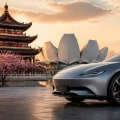
In the world of automotive design, car exterior styling plays a pivotal role in shaping not only the vehicle's aesthetic appeal but also its marketability. The exterior of a car is often the first point of contact for potential buyers, making it essential for manufacturers to create a striking visual impression. From sleek lines and bold curves to innovative lighting solutions, every element contributes to the overall vehicle aesthetics that can captivate an audience and influence purchasing decisions. The significance of car design extends beyond mere looks; it encapsulates the brand's identity and values. A well-styled car can evoke emotions, convey power, or suggest luxury, all of which are crucial in a competitive automotive market.
As consumers increasingly seek vehicles that reflect their personal style and preferences, the importance of thoughtful exterior styling becomes even more pronounced. This is where the interplay between design elements and lighting options comes into play, as different lighting can dramatically alter how a car's features are perceived. Understanding how various lighting options impact the appearance of a car's exterior is essential for both designers and consumers alike. Whether it's the warm glow of daytime running lights or the dramatic effect of LED accents at night, lighting can enhance or diminish the visual impact of a vehicle's design. As we delve deeper into this topic, we will explore how these elements work together to create a cohesive and appealing car exterior that resonates with today's discerning drivers.
The Role of Lighting in Car Design
Lighting is a crucial element in car exterior styling, significantly influencing the overall design and aesthetic appeal of a vehicle.The way light interacts with a car's surface can enhance its features, create depth, and even alter perceptions of size and shape.
Importance of Lighting in Car Design
- Highlighting Features: Strategic placement of lights can accentuate specific design elements, such as curves and contours. For instance, LED headlights can create sharp lines that draw attention to the front fascia, making the car appear more aggressive or sleek.
- Creating Mood: The color temperature of lighting can evoke different emotions. Warm lights may give a classic feel, while cooler tones can suggest modernity and innovation. This emotional connection can influence consumer preferences.
- Enhancing Visibility: Beyond aesthetics, effective lighting improves safety by enhancing visibility during night driving or adverse weather conditions.
This functional aspect is essential in car design, as it combines style with practicality.
Lighting Techniques in Car Aesthetics
- Ambient Lighting: This technique uses soft lighting to create a welcoming atmosphere around the vehicle. It can highlight the car's silhouette at night, making it stand out in a crowded parking lot.
- Accent Lighting: Often used in luxury models, accent lights can illuminate specific areas like the grille or wheel wells, adding an extra layer of sophistication and flair.
- Dynamic Lighting: Some modern vehicles incorporate dynamic lighting systems that adjust based on speed or steering angle. This not only enhances visibility but also adds a futuristic touch to the car's design.
As automotive technology continues to evolve, the innovative use of lighting will undoubtedly play an even more significant role in defining the future of car aesthetics.
Types of Lighting Options for Cars
When it comes to car exterior styling, the choice of lighting can significantly influence not only visibility but also the overall aesthetic appeal of a vehicle. Here are some of the most common types of car lighting options:- LED Headlights: Light Emitting Diodes (LEDs) are becoming increasingly popular due to their energy efficiency and longevity. They provide a bright, white light that enhances the modern look of a car. Additionally, LED headlights can be designed in various shapes and sizes, allowing for unique styling that can complement the car's design.
- Halogen Lights: Halogen lights are a traditional option that many vehicles still use.
They emit a warm yellow light and are generally less expensive than LEDs. However, they tend to have a shorter lifespan and may not offer the same level of brightness or clarity as newer technologies. Their classic look can appeal to those who prefer a more traditional aesthetic.
- Xenon Lights: Also known as High-Intensity Discharge (HID) lights, xenon lights produce a bright blue-white light that can enhance visibility significantly. They are often found in luxury vehicles and can give a car a high-end appearance.
However, they require specific housing and may need adjustments to ensure proper alignment.
How Different Lighting Affects Color Perception
When it comes to car exterior styling, the impact of lighting on color perception cannot be overstated. Different lighting conditions can dramatically alter how a car's color and finish are perceived by the eye, influencing potential buyers' decisions.Types of Lighting and Their Effects
- Natural Light: Daylight is often considered the best light for assessing a car's color.
Under natural sunlight, colors appear vibrant and true to their actual hue. This is particularly important for metallic and pearlescent finishes, which can exhibit a range of shades depending on the angle of the light.
- Incandescent Light: This type of lighting tends to warm up colors, making them appear richer and deeper. However, it can also distort certain hues, leading to a perception that may not match the car's appearance in daylight.
- Fluorescent Light: Common in showrooms, fluorescent lighting can wash out colors, making them look dull or flat. This can be misleading for buyers who are trying to gauge the true color of a vehicle.
- LED Lighting: With its ability to mimic natural light closely, LED lighting is becoming increasingly popular in automotive showrooms.
It provides a more accurate representation of a car's color while enhancing its features.
The Influence of Ambient Lighting on Car Exteriors
When it comes to car exterior styling, the role of ambient lighting cannot be overstated.The way light interacts with a vehicle's surface can dramatically alter its perceived color, shape, and overall appeal. Understanding these effects is crucial for car enthusiasts and designers alike.
Natural Lighting Effects
- Sunlight: Direct sunlight can enhance the vibrancy of a car's paint, making colors appear more saturated. Metallic finishes, in particular, can shimmer and reflect light in captivating ways, showcasing the vehicle's curves and lines.
- Overcast Conditions: On cloudy days, the diffused light can soften the appearance of a car's exterior. This can be beneficial for darker colors, which may look less harsh and more elegant under such conditions.
- Golden Hour: The hour just after sunrise or before sunset provides a warm glow that can make any car look stunning.
The low angle of the sun creates long shadows that highlight contours and details.
Artificial Lighting Effects
- Streetlights: Under streetlights, a car's exterior may take on different hues depending on the type of bulb used. For instance, sodium vapor lights can give a yellow tint, while LED lights may enhance cooler tones.
- Showroom Lighting: In a dealership setting, carefully designed lighting can make a vehicle look its best. Bright, even lighting helps to eliminate shadows and showcases the car’s features effectively.
Therefore, understanding the impact of ambient lighting is essential for anyone looking to enhance their car exterior styling.
Case Studies: Cars with Innovative Lighting Designs
Innovative lighting designs have become a hallmark of modern car exterior styling, transforming not only the aesthetic appeal of vehicles but also their functionality. Here are some notable case studies that exemplify how unique lighting solutions can enhance a car's exterior.1.Audi A8: Matrix LED Technology
The Audi A8 features cutting-edge Matrix LED headlights that adjust their intensity and direction based on driving conditions. This technology allows for optimal illumination without blinding oncoming traffic, enhancing both safety and style. The sleek design of the headlights integrates seamlessly into the car's overall aesthetic, showcasing how innovative lighting can elevate a vehicle's exterior.2.BMW i8: Iconic Laser Headlights
The BMW i8 is renowned for its futuristic design, and its laser headlights are a key component of this innovation.These headlights provide a brighter and more focused beam than traditional options, allowing for improved visibility at night. The striking appearance of the laser lights not only enhances the car's sporty look but also emphasizes its advanced technology.
3.Tesla Model S: Adaptive Lighting System
The Tesla Model S incorporates an adaptive lighting system that adjusts the headlight angle based on steering input and speed. This feature not only improves nighttime driving safety but also adds a dynamic element to the car's exterior styling. The sleek, minimalist design of the lights complements the overall aesthetic of the vehicle, making it a standout in the electric car market.4.Mercedes-Benz EQS: Ambient Lighting
The Mercedes-Benz EQS takes ambient lighting to new heights with customizable options that allow drivers to choose from 64 different colors.This feature enhances the car's luxurious feel and can be synchronized with driving modes, creating an immersive experience that extends beyond just functionality. The exterior lighting elements, including illuminated star patterns in the grille, further enhance its sophisticated styling.These case studies illustrate how innovative lighting designs not only improve visibility and safety but also play a crucial role in defining a car's exterior style. As manufacturers continue to push the boundaries of technology, we can expect even more exciting developments in car lighting.
FAQs About Car Exterior Lighting and Styling
When it comes to car exterior styling, lighting plays a crucial role in enhancing the overall aesthetic appeal. Here are some frequently asked questions that delve into the relationship between car lighting and styling:- How does lighting affect the perception of a car's color?
The type of lighting can significantly alter how a car's color is perceived.For instance, bright LED lights can make colors appear more vibrant, while softer halogen lights may give a warmer tone. This can influence buyer preferences and the overall look of the vehicle.
- What types of lights are best for enhancing car features?
Different lighting options serve various purposes. For example, daytime running lights enhance visibility and safety, while accent lights can highlight specific design elements like curves and contours, adding depth to the car's exterior. - Can aftermarket lighting improve my car's styling?
Yes, aftermarket lighting options such as custom headlights, taillights, and underglow kits can dramatically change the look of your vehicle. These modifications allow for personalization and can make your car stand out on the road. - What is the impact of light color on car styling?
The color of the lights used on a vehicle can convey different messages.For example, blue lights are often associated with modernity and technology, while amber lights can give a classic or vintage feel. Choosing the right light color is essential for achieving the desired styling effect.
Conclusion: The Synergy Between Lighting and Car Exterior Styling
In conclusion, the interplay between lighting options and car exterior styling is a crucial aspect that every car enthusiast and owner should consider. Throughout this article, we have explored how various lighting techniques can dramatically alter the perception of a vehicle's design, enhancing its aesthetic appeal and overall presence on the road.Understanding the impact of different lighting types—such as LED, Xenon, and halogen—is essential for achieving the desired look.Each lighting option not only affects visibility but also plays a significant role in highlighting specific design features of the car. For instance, LED lights can create a modern and sleek appearance, while traditional halogen lights may evoke a more classic feel.Moreover, the placement and intensity of lighting can accentuate curves, lines, and textures on the car's exterior. This is particularly important for brands that aim to convey a specific image or style. For example:
- Front Lighting: Enhances the grille and hood design.
- Side Lights: Accentuates body contours and wheel arches.
- Rear Lights: Complements the overall silhouette and adds depth.
A well-lit car can appear more vibrant and dynamic, while poor lighting may dull its appearance. Therefore, when considering car exterior styling, it is vital to select lighting that not only meets functional needs but also aligns with the vehicle's design philosophy.Ultimately, the synergy between lighting and car exterior styling is undeniable. By thoughtfully integrating lighting solutions into their designs, manufacturers can create vehicles that not only stand out visually but also resonate with consumers on an emotional level. As you contemplate your own vehicle's aesthetic, remember that the right lighting can transform your car into a true work of art.