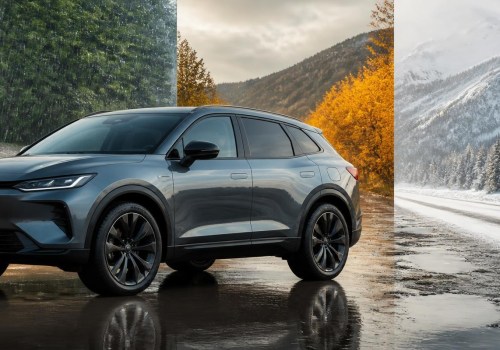
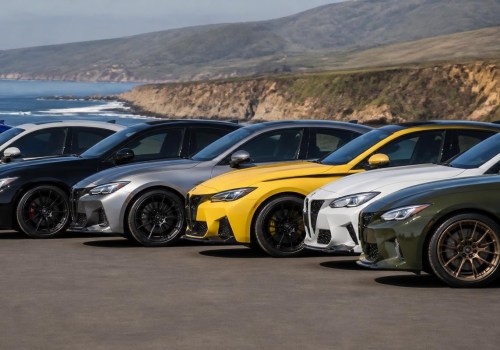
When it comes to car exterior styling, the visual appeal of a vehicle is not solely determined by its shape or size; rather, it is a harmonious blend of various elements, including textures and finishes. These components play a crucial role in defining the overall aesthetic of a car, influencing not only how it looks but also how it feels to the observer. From sleek, glossy surfaces to rugged, matte finishes, each texture contributes uniquely to the vehicle's personality and brand identity. The interplay of different materials and their respective finishes can evoke a range of emotions and perceptions. For instance, a shiny chrome finish may suggest luxury and sophistication, while a rough, textured surface can convey strength and durability.
This is particularly important in car design, where manufacturers aim to create a specific image that resonates with their target audience. Understanding how these elements work together allows designers to craft vehicles that stand out in a crowded market. Moreover, the choice of textures and finishes can also impact practical aspects such as maintenance and durability. A well-thought-out combination not only enhances vehicle aesthetics but also ensures that the car remains visually appealing over time. As we delve deeper into this topic, we will explore how various textures and finishes contribute to the overall look of a car's exterior, shaping perceptions and influencing consumer choices.
The Role of Textures in Car Design
When it comes to car exterior styling, the choice of textures plays a pivotal role in shaping the overall aesthetic and appeal of a vehicle.Different textures can evoke various emotions and perceptions, influencing how a car is viewed by potential buyers and enthusiasts alike.
Matte Finishes
- Matte finishes have gained popularity for their modern and sophisticated look. Unlike glossy surfaces, matte textures absorb light rather than reflect it, creating a unique visual effect that can make a car appear more understated yet elegant.
- This finish often conveys a sense of luxury and exclusivity, making it a favored choice among high-end brands.
Glossy Finishes
- Glossy finishes, on the other hand, are synonymous with vibrancy and shine. They reflect light brilliantly, enhancing the color depth and making the vehicle stand out on the road.
- This texture is often associated with sportiness and energy, appealing to those who desire a dynamic presence.
Rough Textures
- Rough textures, such as those found in off-road vehicles, serve both functional and aesthetic purposes. They not only provide grip but also convey ruggedness and durability.
- This texture can suggest adventure and capability, attracting consumers who prioritize performance in challenging environments.
For instance, a car with a glossy body paired with matte accents can draw attention to specific design elements, enhancing the overall look. Additionally, the choice of texture can influence consumer perception; for example, a matte finish may be perceived as more innovative compared to traditional glossy options.In conclusion, understanding how different vehicle surface textures contribute to car design is essential for manufacturers aiming to create compelling products that resonate with their target audience. By strategically selecting textures, designers can craft vehicles that not only look stunning but also communicate specific brand values and lifestyle aspirations.
Finishes That Define Vehicle Aesthetics
The finish of a car plays a crucial role in defining its overall aesthetic appeal. Different types of finishes can dramatically alter the perception of a vehicle, influencing everything from its perceived value to its visual impact on the road.Types of Car Finishes
- Metallic Finishes: These finishes contain tiny metal flakes that reflect light, creating a shimmering effect.
Metallic paints are popular for their ability to enhance the contours of a car, making it appear more dynamic and visually interesting.
- Pearlescent Finishes: Pearlescent paints offer a unique depth and color shift that changes with the angle of light. This finish combines the qualities of both metallic and solid colors, providing a luxurious look that stands out in any setting.
- Matte Finishes: Unlike traditional glossy finishes, matte paints have a non-reflective surface that gives a modern and sophisticated appearance. While they are striking, matte finishes require more maintenance to keep them looking pristine.
- Clear Coat: A clear coat is an essential layer applied over the base color to protect it from UV rays, scratches, and environmental damage. This finish enhances the depth of color while providing a glossy sheen that can elevate the overall look of the vehicle.
For instance, a car with a glossy finish will reflect more light, making it appear brighter and more vibrant, while a matte finish absorbs light, giving it a more subdued and elegant look.In addition to aesthetics, the choice of automotive coatings can also impact durability and maintenance. High-quality finishes are designed to withstand harsh weather conditions and resist fading over time, ensuring that the vehicle maintains its stunning appearance for years to come.Ultimately, understanding the different types of finishes available allows car owners to make informed decisions about their vehicle's exterior styling, ensuring that it not only looks great but also aligns with their personal taste and lifestyle.
Combining Textures and Finishes for Unique Styles
In the world of car exterior styling, the combination of different textures and finishes plays a crucial role in defining a vehicle's identity. Manufacturers are increasingly experimenting with various materials and surface treatments to create unique designs that not only appeal to the eye but also enhance functionality.Combining Textures
- Matte and Gloss Finishes: The juxtaposition of matte and gloss surfaces can create a striking visual contrast. For instance, a matte body paired with glossy accents on the grille or wheels can draw attention to specific features, making the car look more dynamic.
- Textured Surfaces: Textured finishes, such as those resembling carbon fiber or brushed metal, add depth and interest.
These surfaces can evoke a sense of luxury or sportiness, depending on their application.
- Color Variations: Utilizing different colors in conjunction with varied textures can further enhance the overall aesthetic. A two-tone design with a textured finish on one section and a smooth finish on another can create a bold statement.
Innovative Car Styling Techniques
Car manufacturers are adopting innovative styling techniques that leverage these combinations effectively. For example, 3D printing technology allows for intricate designs that incorporate both texture and finish in ways that were previously impossible. This technology enables designers to experiment with complex shapes and patterns that can be both visually appealing and aerodynamically efficient.
Creating Unique Car Designs
The end goal of combining textures and finishes is to create unique car designs that stand out in a crowded market.
By carefully selecting materials and applying them in innovative ways, manufacturers can craft vehicles that not only look good but also resonate with consumers' desires for personalization and exclusivity. As trends evolve, we can expect to see even more creative uses of textures and finishes in car exterior styling, pushing the boundaries of automotive design.
The Psychological Impact of Textures and Finishes
The psychology of car design plays a crucial role in how consumers perceive and connect with vehicles. Different textures and finishes can significantly influence emotional responses, shaping the overall impression of a car's exterior. For instance, a sleek, glossy finish often conveys a sense of luxury and sophistication, appealing to consumers who value elegance in their vehicle choice.Conversely, a matte finish can evoke feelings of modernity and edginess, attracting a younger demographic that seeks to stand out.The tactile experience of various textures also contributes to this emotional landscape. A rough, rugged texture may suggest durability and adventure, appealing to those who prioritize functionality and outdoor activities.
- Consumer Perception: The finish of a car can alter consumer perception dramatically. A shiny surface might be associated with high performance, while a textured surface could imply reliability.
- Emotional Response: Colors combined with textures can trigger specific emotions; for example, a deep blue metallic finish may evoke calmness and trust.
- Brand Identity: Manufacturers often use specific textures and finishes to reinforce their brand identity. For example, luxury brands may opt for smooth, high-gloss finishes to reflect their premium status.
Understanding these psychological impacts can help manufacturers design vehicles that resonate more deeply with potential buyers, ultimately leading to increased sales and brand loyalty.
Trends in Car Exterior Textures and Finishes
As the automotive industry evolves, car exterior styling is increasingly influenced by innovative textures and finishes that not only enhance aesthetics but also improve functionality. In 2023, several key trends are shaping the way vehicles are designed and perceived.Matte Finishes
One of the most notable trends is the rise of matte finishes. Unlike traditional glossy paints, matte surfaces offer a unique, understated elegance that appeals to modern consumers. This finish is often used on high-end models to convey sophistication and exclusivity.Additionally, matte finishes can help hide minor imperfections, making them a practical choice for many car owners.
Textured Surfaces
Another trend gaining traction is the use of textured surfaces. Manufacturers are experimenting with various materials that provide tactile experiences, such as embossed patterns or rough textures. These surfaces not only add visual interest but also enhance grip and durability. For instance, textured plastics and metals are being utilized in both exterior panels and trim elements, creating a more dynamic look.Metallic and Pearlescent Finishes
Metallic and pearlescent finishes continue to be popular choices among car enthusiasts.These finishes reflect light in captivating ways, adding depth and richness to the vehicle's color. Pearlescent paints, in particular, shift hues depending on the angle of light, providing a striking visual effect that stands out on the road.
Sustainable Materials
With an increasing focus on sustainability, many manufacturers are incorporating eco-friendly materials into their designs. Recycled plastics and bio-based composites are being used for exterior components, allowing brands to appeal to environmentally conscious consumers while maintaining high standards of quality and style.In conclusion, the trends in car exterior styling for 2023 reflect a blend of innovation and consumer preferences. From matte finishes to textured surfaces and sustainable materials, these elements not only enhance the visual appeal of vehicles but also contribute to their overall performance and user experience.FAQs About Car Exterior Textures and Finishes
When it comes to car exterior styling, understanding the role of textures and finishes is crucial.Here are some frequently asked questions that can help clarify their impact:
- What are the different types of finishes used in car exteriors?
Car manufacturers often use a variety of finishes, including glossy, matte, and metallic. Glossy finishes provide a shiny, reflective surface that enhances color vibrancy, while matte finishes offer a more subdued, sophisticated look. Metallic finishes incorporate tiny metal flakes that add depth and shimmer, making colors appear richer. - How do textures affect the perception of a car's design?
Textures can significantly influence how a car is perceived. For instance, a rough texture can convey ruggedness and durability, appealing to off-road enthusiasts.In contrast, smooth textures often suggest elegance and luxury, attracting buyers looking for high-end vehicles.
- Can the choice of finish impact maintenance?
Yes, different finishes require varying levels of maintenance. Glossy surfaces may show scratches and dirt more easily, necessitating regular cleaning and polishing. Matte finishes, while stylish, can be more challenging to maintain as they are prone to showing fingerprints and smudges. - Are there any trends in car exterior textures and finishes?
Currently, there is a growing trend towards textured finishes, such as those that mimic natural materials like wood or stone. These unique textures not only enhance aesthetics but also provide a tactile experience that sets vehicles apart in a competitive market.
By considering how textures and finishes contribute to overall design, buyers can select cars that not only meet their functional needs but also reflect their personal style.
Conclusion: The Importance of Textures and Finishes in Car Exterior Styling
In conclusion, the textures and finishes of a car's exterior play a pivotal role in defining its overall aesthetic and appeal. Throughout this article, we have explored how various elements such as matte, gloss, and metallic finishes contribute to the visual identity of a vehicle.Textures
can evoke different emotions and perceptions. For instance, a smooth, glossy finish often conveys luxury and sophistication, while a rugged, textured surface can suggest durability and adventure. The choice of texture not only affects the car's appearance but also influences how it interacts with light, enhancing or diminishing certain design features.Moreover, the finish of a car can significantly impact its marketability.A well-chosen finish can attract potential buyers by highlighting the vehicle's design elements and making it stand out in a crowded marketplace. For example:
- Glossy finishes are often associated with high-end models, giving them a polished look that appeals to luxury consumers.
- Matte finishes, on the other hand, have gained popularity for their modern and understated aesthetic, appealing to younger demographics.
- Metallic finishes add depth and richness to colors, enhancing the visual complexity of the car's exterior.