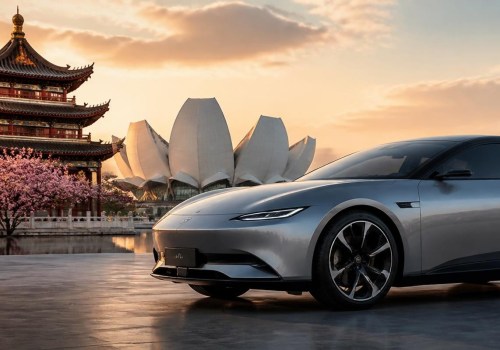
Car exterior styling is a crucial aspect of automotive design that encompasses the visual elements and overall aesthetic appeal of a vehicle. It includes everything from the shape and size of the body to the details of the headlights and grille. This styling not only defines a car's identity but also plays a significant role in attracting potential buyers. In an industry where first impressions matter, the exterior design can be a decisive factor in a consumer's purchasing decision. The importance of car design extends beyond mere aesthetics; it reflects the values and preferences of different cultures and regions.
For instance, while some markets may favor sleek, aerodynamic lines that suggest speed and modernity, others might lean towards robust, muscular designs that convey strength and durability. Understanding these cultural nuances is essential for manufacturers aiming to create vehicles that resonate with their target audience. As we delve deeper into how cultural and regional preferences influence car exterior styling, it becomes evident that this aspect of automotive design is not just about looks. It is a complex interplay of consumer psychology, market trends, and cultural significance, all of which shape how cars are perceived around the world. By examining these factors, we can gain insights into the evolving landscape of car design and its implications for manufacturers and consumers alike.
The Role of Culture in Car Design
The influence of culture on car exterior styling is profound and multifaceted, shaping not only the aesthetics but also the functionality and symbolism of vehicles across different regions.Each culture brings its unique set of values, traditions, and historical contexts that inform how cars are designed and perceived.
Aesthetic Preferences
- In Western cultures, sleek lines and aerodynamic shapes often dominate car design, reflecting a preference for modernity and speed.
- Conversely, in many Asian markets, vibrant colors and intricate detailing may be favored, showcasing a cultural appreciation for artistry and craftsmanship.
Symbolism in Design
Cultural symbolism plays a critical role in how cars are styled. For instance:
- In the Middle East, luxury vehicles often feature opulent designs that symbolize wealth and status, with brands like Rolls-Royce and Bentley being particularly popular.
- In contrast, Scandinavian designs tend to emphasize minimalism and functionality, reflecting cultural values of simplicity and practicality.
Historical Context
The historical context of a region also significantly impacts car exterior styling. For example:
- Post-war Europe saw a rise in compact cars as a response to economic constraints, leading to designs that prioritize efficiency over extravagance.
- In contrast, the American automotive industry has historically celebrated larger vehicles, such as SUVs and trucks, which resonate with the cultural ethos of freedom and adventure.
Regional Preferences and Their Impact on Car Exterior Styling
The influence of regional preferences on car exterior styling is profound, as different geographical areas exhibit unique tastes and requirements that shape automotive design.Understanding these regional differences is crucial for manufacturers aiming to cater to diverse markets.
Climate Considerations
- Hot Climates: In regions with high temperatures, such as the Middle East or parts of Australia, car designs often feature lighter colors and materials that reflect sunlight, helping to keep the interior cool. Additionally, vehicles may include larger air intakes and sunroofs to enhance ventilation.
- Cold Climates: Conversely, in colder areas like Scandinavia or Canada, cars are often designed with features that enhance durability and performance in snow and ice. This includes higher ground clearance, robust body kits, and the use of materials that resist corrosion from road salt.
Local Regulations
- Different countries have varying regulations regarding vehicle safety and emissions, which can significantly impact car styling. For instance, European regulations tend to be stricter on emissions, leading manufacturers to design sleeker, more aerodynamic vehicles that minimize drag.
- In contrast, some regions may prioritize larger vehicles due to cultural preferences for SUVs and trucks, resulting in bulkier designs that cater to local tastes.
Market Demands
- The demand for specific styles can also vary widely.
In urban areas of Asia, compact cars with modern aesthetics are favored due to space constraints, while in the United States, there is a strong preference for larger vehicles with bold designs.
- Furthermore, luxury markets in regions like the Middle East often seek opulent designs with intricate detailing and high-end finishes, influencing manufacturers to create exclusive models tailored to these consumers.
Case Studies: Car Models Reflecting Cultural and Regional Influences
Understanding how car exterior styling is influenced by cultural and regional preferences can be illustrated through several notable case studies. These examples highlight how manufacturers adapt their designs to resonate with local markets.1.Toyota Land Cruiser
The Toyota Land Cruiser is a prime example of a vehicle that reflects regional preferences, particularly in the Middle East and Africa. Known for its ruggedness and off-road capabilities, the Land Cruiser's exterior design features a robust frame and high ground clearance, catering to the needs of consumers in areas with challenging terrains.The bold grille and muscular stance appeal to the cultural appreciation for durability and strength in these regions.
2.Mini Cooper
In contrast, the Mini Cooper showcases how urban culture influences car design. Originating in the UK, this compact car's exterior is characterized by its playful proportions and distinctive round headlights. The design reflects a cultural preference for efficiency and style in densely populated cities, where parking space is limited. Its vibrant color options and customizable features resonate with younger consumers looking for personal expression.3.Chevrolet Silverado
The Chevrolet Silverado, popular in North America, embodies regional preferences for larger vehicles.Its bold, aggressive styling with a prominent front grille and muscular body lines appeals to consumers who value power and capability, especially in rural areas where trucks are often used for work and recreation. This design aligns with the cultural significance of trucks as symbols of freedom and rugged individualism.
4.Nissan Juke
The Nissan Juke represents a unique blend of cultural influences, particularly in Japan and Europe. Its unconventional exterior styling, featuring high wheel arches and a distinctive rear end, reflects a youthful, adventurous spirit that resonates with urban dwellers seeking individuality. The Juke's design has sparked both admiration and controversy, showcasing how bold aesthetics can challenge traditional norms.These case studies illustrate that car exterior styling is not merely about aesthetics; it is deeply intertwined with cultural values and regional preferences.By understanding these influences, manufacturers can create vehicles that not only meet functional needs but also resonate emotionally with consumers across different markets.
The Future of Car Exterior Styling: Trends and Predictions
As we look towards the future of car exterior styling, several key trends are emerging that reflect the dynamic interplay between globalization, technological advancements, and evolving consumer preferences. These factors are shaping not only how cars look but also how they are perceived in various markets around the world.1.Sustainability and Eco-Friendly Design
- With increasing awareness of environmental issues, manufacturers are prioritizing sustainable materials and production methods. Expect to see more vehicles featuring recycled materials and designs that minimize waste.
- Electric vehicles (EVs) are leading the charge in this area, with sleek, aerodynamic designs that enhance efficiency while appealing to eco-conscious consumers.
2.Technological Integration
- The integration of technology into car design is becoming more pronounced. Features such as adaptive lighting systems, which adjust based on driving conditions, and smart glass that can change opacity, are set to redefine traditional styling.
- Moreover, the rise of autonomous vehicles will influence exterior aesthetics, focusing on functionality and safety over conventional design elements.
3.Globalization and Cultural Influences
- As automotive markets become increasingly globalized, manufacturers are blending regional styles to create universally appealing designs.
This fusion often results in unique aesthetics that cater to diverse cultural preferences.
- For instance, the popularity of SUVs in North America contrasts with compact cars favored in Europe and Asia, leading to a variety of exterior styles that reflect these regional tastes.
4.Personalization and Customization
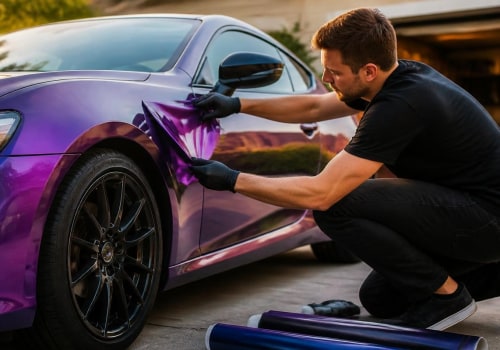
- The demand for personalized vehicles is on the rise, with consumers seeking unique exterior features that reflect their individual style. This trend is pushing manufacturers to offer more customizable options in terms of color, materials, and design elements.
- As technology advances, we may see more 3D printing capabilities allowing for bespoke car exteriors tailored to personal preferences.
FAQs About Car Exterior Styling and Cultural Influences
Understanding the relationship between car exterior styling and cultural influences can be complex. Here are some frequently asked questions that shed light on this fascinating topic:- How do cultural preferences shape car designs? Cultural preferences play a significant role in determining the aesthetics of car designs.
For instance, in regions where luxury is highly valued, manufacturers often emphasize sleek lines and high-end finishes. Conversely, in markets where practicality is prioritized, designs may lean towards functionality and durability.
- What are some examples of regional styling differences? In Europe, cars often feature compact designs that cater to urban environments, while American cars tend to be larger with a focus on comfort and power. In Asia, particularly Japan, there is a trend towards unique and sometimes quirky designs that reflect local tastes.
- How does consumer feedback influence car exterior styling? Automakers frequently conduct market research to gather consumer feedback on design preferences. This feedback can lead to significant changes in car exterior styling, ensuring that new models resonate with target audiences.
- Are there any cultural symbols incorporated into car designs? Yes, many manufacturers incorporate cultural symbols or motifs into their designs to appeal to local markets.
For example, certain brands may use colors or shapes that have specific meanings in different cultures.
- How do global trends affect local car designs? While local preferences are crucial, global trends also influence car exterior styling. The rise of electric vehicles has led to a shift towards more futuristic designs worldwide, which can sometimes overshadow traditional styling cues.
Conclusion: The Interplay of Culture and Design in the Automotive World
In conclusion, the influence of culture and regional preferences on car exterior styling is profound and multifaceted. Throughout this article, we have explored how various cultural elements shape consumer expectations and preferences, leading to distinct design trends across different markets. For instance, in regions where tradition holds significant value, such as parts of Asia and Europe, car designs often reflect a sense of heritage and craftsmanship. In contrast, markets like North America may lean towards bold, aggressive styling that emphasizes power and performance.This divergence illustrates how cultural narratives can dictate not only aesthetic choices but also the emotional connections consumers form with vehicles. Moreover, the rise of globalization has introduced a fascinating dynamic where manufacturers must balance local tastes with global trends. As a result, we see a blend of styles that cater to diverse audiences while still maintaining brand identity. This interplay is evident in the way automakers adapt their designs to resonate with local cultures while also appealing to a broader market.
- Key Takeaways:
- The significance of cultural narratives in shaping design preferences.
- The impact of regional trends on the overall aesthetic of vehicles.
- The challenge for manufacturers to harmonize local tastes with global branding.
By embracing cultural diversity and regional nuances, the automotive industry can create vehicles that not only meet functional needs but also resonate deeply with consumers on an emotional level.