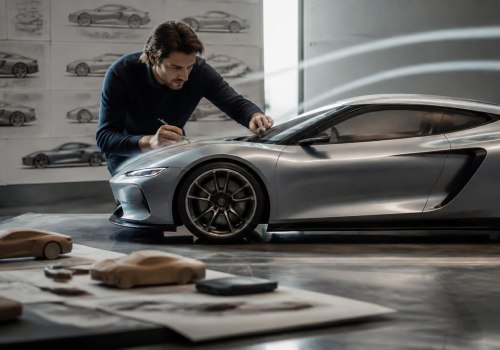
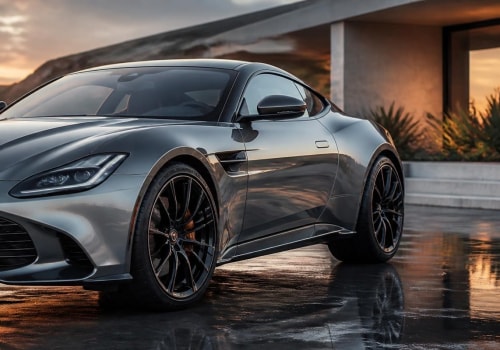
In the world of automotive design, car exterior styling plays a pivotal role in defining a vehicle's identity and appeal. The exterior of a car is often the first aspect that captures a potential buyer's attention, making it a crucial element in the competitive automotive market. As manufacturers strive to differentiate their models, they increasingly explore unique and unconventional car designs that challenge traditional aesthetics and push the boundaries of creativity. From sleek, aerodynamic shapes to bold, angular lines, the evolution of car exterior styling reflects not only technological advancements but also changing consumer preferences. Today’s car buyers are not just looking for functionality; they seek vehicles that resonate with their personal style and values.
This shift has led to an explosion of innovative designs that incorporate elements like sustainable materials, customizable features, and even interactive technology. As we delve deeper into the realm of car exterior styling, we will explore some standout examples of unconventional designs that have made waves in the automotive industry. These designs not only showcase the artistic vision of their creators but also highlight how unique aesthetics can enhance brand recognition and consumer loyalty. Join us as we uncover the fascinating world of automotive design where creativity knows no bounds.
The Evolution of Car Exterior Design
The journey of car exterior styling is a fascinating tale that reflects not only technological advancements but also shifts in cultural preferences and societal values. From the early days of the automobile, where functionality was paramount, to today’s focus on aesthetics and aerodynamics, the evolution of car exteriors has been marked by significant milestones.In the late 19th and early 20th centuries, cars were primarily utilitarian.The Model T, introduced by Ford in 1908, epitomized this era with its simple, boxy design aimed at mass production. However, as competition grew, manufacturers began to experiment with more distinctive shapes and features.
The Art Deco Influence
The 1920s and 1930s saw the rise of the Art Deco movement, which influenced car design significantly. Automakers like Chrysler embraced this style, introducing streamlined bodies that emphasized elegance and speed. The iconic Chrysler Airflow is a prime example, showcasing a smooth silhouette that reduced air resistance.Post-War Innovations
After World War II, car design underwent another transformation.The introduction of new materials like fiberglass allowed for more creative shapes. The Corvette, launched in 1953, featured a sleek design that became synonymous with American sports cars. This era also marked the beginning of the muscle car phenomenon, where aggressive styling became a hallmark.
Modern Trends
Fast forward to the 21st century, and we see a blend of technology and artistry in car exterior styling. Manufacturers are now focusing on sustainability alongside aesthetics.Electric vehicles like the Tesla Model S showcase minimalist designs that prioritize efficiency while making bold statements on the road.Today’s trends also include the use of advanced materials and technologies such as LED lighting and aerodynamic enhancements. As we look to the future, it’s clear that car exterior design will continue to evolve, driven by innovation and changing consumer preferences.
Notable Examples of Unique Car Exterior Designs
When it comes to car exterior styling, some vehicles stand out not just for their performance but for their striking and unconventional designs. Here are a few notable examples:- BMW i8 : This plug-in hybrid sports car features a futuristic design with its sleek lines and scissor doors. The i8's aerodynamic shape not only enhances its performance but also gives it a distinctive look that turns heads on the road.
- Tesla Cybertruck : With its angular, stainless-steel exterior, the Cybertruck breaks away from traditional truck designs.
Its geometric shape and armored glass create a bold statement, making it one of the most unconventional vehicles in recent memory.
- Fiat 500 : The retro-inspired design of the Fiat 500 combines classic elements with modern touches. Its compact size, rounded edges, and vibrant color options make it a standout in urban environments, appealing to those who appreciate unique car exterior designs.
- McLaren P1 : This hypercar showcases a blend of form and function with its aggressive stance and aerodynamic features. The P1's unique rear end and active aerodynamics not only enhance performance but also contribute to its striking visual appeal.
- Peugeot Onyx : A concept car that pushes the boundaries of design, the Peugeot Onyx features a body made from a combination of carbon fiber and copper panels. Its sculptural form and innovative materials make it a true work of art on wheels.
Each vehicle not only serves its purpose but also makes a bold statement about innovation and creativity in car exterior styling.
The Role of Aerodynamics in Car Exterior Styling
Aerodynamics plays a crucial role in car exterior styling, influencing not only the visual appeal of a vehicle but also its performance and efficiency. The relationship between form and function is particularly evident in modern car design, where manufacturers strive to create vehicles that are both aesthetically pleasing and aerodynamically efficient.One of the primary goals of aerodynamic design is to reduce drag, which can significantly impact fuel efficiency and overall performance. Cars with streamlined shapes, such as the teardrop or coupé profiles, are designed to allow air to flow smoothly over their surfaces, minimizing turbulence. This not only enhances speed but also contributes to better handling and stability at high velocities.Balancing Aesthetics and Functionality
While aerodynamics is essential for performance, it often presents a challenge for designers who must balance aesthetic appeal with functional requirements.For instance, features like spoilers and air intakes can enhance a car's sporty look while also serving practical purposes by improving downforce and cooling. However, these elements must be integrated thoughtfully to maintain the vehicle's overall design integrity.
- Sleek Lines: Many manufacturers incorporate sleek lines and curves into their designs to promote airflow.
- Active Aerodynamics: Some modern cars utilize active aerodynamic systems that adjust components like spoilers based on speed and driving conditions.
- Material Choices: Lightweight materials not only contribute to better aerodynamics but also enhance fuel efficiency.
As technology continues to evolve, we can expect even more innovative designs that push the boundaries of what is possible in automotive styling.
Cultural Influences on Car Exterior Design
The cultural impact on car design is profound, as it reflects the values, traditions, and aesthetics of different regions around the world. Each culture brings its unique perspective to car exterior styling, resulting in a rich tapestry of designs that cater to local tastes and preferences.For instance, in Japan, the kawaii culture has influenced the design of compact cars, leading to rounded shapes and playful colors that appeal to younger consumers. Models like the Honda Acty and Daihatsu Move showcase this trend with their quirky exteriors that prioritize fun and functionality.In contrast, European car manufacturers often emphasize elegance and sophistication. The sleek lines and minimalist designs of brands like Audi and BMW reflect a cultural appreciation for understated luxury.These vehicles often feature aerodynamic shapes that not only enhance performance but also convey a sense of prestige.
Regional Car Styles
- American Muscle Cars: In the United States, the muscle car era has left a lasting legacy with bold, aggressive designs characterized by wide stances and powerful front grilles. Models like the Ford Mustang and Dodge Charger exemplify this style.
- Italian Sportscars: Italy is renowned for its high-performance sports cars that combine art with engineering. Brands like Lamborghini and Ferrari are known for their striking exteriors that often feature sharp angles and vibrant colors.
- SUV Trends in Asia: In many Asian markets, the rise of SUVs has led to a preference for larger vehicles with bold exteriors. This trend is evident in models like the Toyota Fortuner, which boasts a commanding presence on the road.
As manufacturers increasingly collaborate across borders, we see a blending of styles that incorporates elements from various cultures. For example, electric vehicles like the Tesla Model X showcase a modern aesthetic that appeals to environmentally conscious consumers worldwide while still reflecting regional preferences in their design.This interplay between culture and design not only enriches the automotive landscape but also fosters innovation as designers draw inspiration from diverse sources. Ultimately, understanding these cultural influences allows consumers to appreciate the artistry behind car exterior styling on a deeper level.
Future Trends in Car Exterior Styling
As we look to the future of car exterior styling, several innovative trends are emerging that promise to redefine how vehicles are designed and perceived. These trends are driven by advancements in technology, sustainability, and changing consumer preferences.1.Sustainable Materials
With an increasing focus on environmental impact, manufacturers are exploring the use of sustainable materials in car exteriors.This includes recycled plastics, bio-based composites, and even natural fibers. Such materials not only reduce the carbon footprint but also offer unique aesthetic possibilities that can set a vehicle apart in a crowded market.
2.Adaptive Aerodynamics
Future cars may feature adaptive aerodynamic designs that change shape based on driving conditions. This technology can enhance fuel efficiency and performance while providing a visually striking appearance. For instance, movable panels or adjustable spoilers could become standard features, allowing for a dynamic look that evolves with the vehicle's speed.3.Integration of Smart Technology
The integration of smart technology into car exteriors is another trend to watch.Vehicles may soon come equipped with LED displays that can change colors or patterns based on the driver's mood or preferences. This level of customization not only enhances personal expression but also allows for improved communication with other road users.
4.Futuristic Shapes and Forms
As automotive design continues to push boundaries, we can expect to see more unconventional shapes and forms. Concepts like circular vehicles or those with asymmetrical designs challenge traditional aesthetics and could become more mainstream as consumer acceptance grows.5.Enhanced Personalization
The future of car design will likely emphasize personalization, allowing consumers to tailor their vehicles to their specific tastes. This could include customizable exterior features such as interchangeable body panels or unique paint finishes that change color based on temperature or light exposure.In conclusion, the future of car exterior styling is poised for exciting transformations driven by sustainability, technology, and consumer demand for individuality.As these trends develop, they will not only enhance the visual appeal of vehicles but also contribute to a more sustainable and connected automotive landscape.
FAQs About Car Exterior Styling
When it comes to car exterior styling, enthusiasts and casual drivers alike often have questions about the various design elements that make a vehicle stand out. Here are some frequently asked questions that can help clarify common queries related to unique car designs.What are some key elements of car exterior styling?
- Shape and Silhouette: The overall shape of a car significantly influences its aesthetic appeal. Sleek, aerodynamic designs often suggest speed, while boxy shapes can convey ruggedness.
- Color and Finish: The choice of color, whether it's a vibrant hue or a subtle metallic finish, plays a crucial role in how a car is perceived. Unique paint jobs, like matte finishes or color-shifting paints, can also enhance exterior styling.
- Lighting: Innovative headlight and taillight designs, such as LED strips or unique shapes, can dramatically alter the look of a vehicle and improve visibility.
- Grille Design: The front grille is often considered the "face" of the car.
Unique grille shapes and sizes can set a model apart from others in its class.
What are some examples of unconventional car designs?
Many manufacturers have pushed the boundaries of traditional car design. For instance:- Tesla Cybertruck: With its angular, stainless steel body and futuristic aesthetic, the Cybertruck has redefined what a pickup truck can look like.
- BMW i3: This compact electric vehicle features a unique two-tone exterior and unconventional door design that opens like a butterfly.
- Aston Martin Lagonda: This luxury sedan boasts an ultra-modern design with sharp lines and an emphasis on aerodynamics.
How does exterior styling affect car performance?
The exterior styling of a vehicle is not just about looks; it also impacts performance. Aerodynamic designs can reduce drag, improving fuel efficiency and handling. Additionally, weight distribution influenced by design elements can affect stability and cornering capabilities.Understanding these aspects of car exterior styling can enhance your appreciation for automotive design and help you make informed choices when selecting a vehicle.Conclusion: The Impact of Unique Car Exterior Designs on the Automotive Industry
In conclusion, the world of car exterior styling is a vibrant tapestry woven from innovation, creativity, and consumer demand.Unique and unconventional designs not only capture attention but also play a pivotal role in shaping the automotive landscape. As we have explored, these designs often reflect broader cultural trends and technological advancements, pushing the boundaries of what is possible in vehicle aesthetics.One of the most significant impacts of unique car exterior designs is their ability to influence consumer preferences. Buyers today are increasingly drawn to vehicles that stand out in a crowded market. A striking exterior can evoke emotions, create brand loyalty, and even drive purchasing decisions.
For instance, the bold lines and futuristic shapes of electric vehicles have redefined expectations, appealing to environmentally conscious consumers who also desire style.Moreover, unconventional designs often serve as a catalyst for industry trends. When manufacturers take risks with their car exterior styling, they not only differentiate their products but also inspire competitors to innovate. This ripple effect can lead to a more dynamic market where creativity thrives. For example, the resurgence of retro-inspired designs has sparked a wave of nostalgia among consumers, prompting brands to revisit classic aesthetics while integrating modern technology.Ultimately, the significance of unique car exterior designs extends beyond mere aesthetics; they encapsulate a brand's identity and vision for the future.
As we look ahead, it is clear that the automotive industry will continue to evolve, driven by the desire for distinctive and memorable vehicles that resonate with consumers on multiple levels.