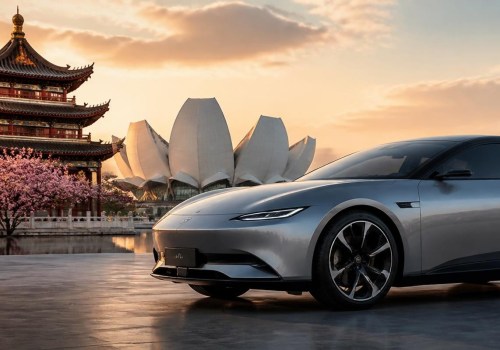
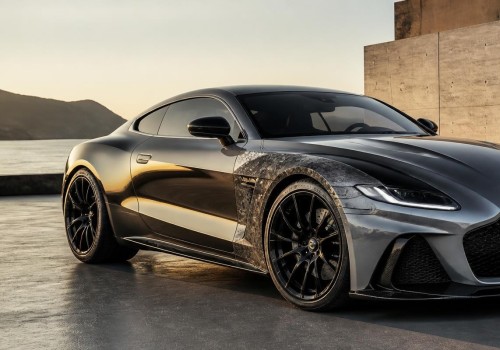
In the ever-evolving world of the automotive industry, car exterior styling plays a pivotal role in shaping consumer perceptions and preferences. The exterior design of a vehicle is often the first aspect that potential buyers notice, making it a critical factor in their purchasing decisions. As such, manufacturers invest significant resources into understanding car design trends and the aesthetic values that resonate with consumers. This focus on design not only enhances the visual appeal of vehicles but also reflects broader cultural and technological shifts. The significance of automotive aesthetics extends beyond mere looks; it encapsulates the brand identity and emotional connection that consumers forge with their vehicles.
A well-styled car can evoke feelings of luxury, sportiness, or ruggedness, influencing how consumers perceive the brand as a whole. For instance, sleek lines and aggressive stances may attract younger buyers seeking excitement, while more classic designs might appeal to those valuing tradition and reliability. Moreover, consumer feedback has become an invaluable resource for automakers aiming to refine their designs. With the rise of social media and online forums, manufacturers can gauge public opinion on various styling elements, from color choices to body shapes. This direct line of communication allows brands to adapt quickly to changing preferences, ensuring that their offerings remain relevant in a competitive market.
Ultimately, understanding car exterior styling is not just about aesthetics; it is about creating vehicles that resonate with consumers on multiple levels, driving both sales and brand loyalty.
The Role of Consumer Preferences in Automotive Design
In the ever-evolving landscape of automotive design, consumer preferences play a pivotal role in shaping car exterior styling. Manufacturers are increasingly relying on market research and consumer feedback to inform their design choices, ensuring that new models resonate with potential buyers.One of the primary methods used by automotive companies to gauge consumer preferences is through extensive market research. This includes surveys, focus groups, and analysis of social media trends. By understanding what consumers value—be it sleek lines, aggressive stances, or eco-friendly designs—manufacturers can tailor their vehicles to meet these demands.Automotive consumer behavior
has shifted significantly in recent years.For instance, the rise of electric vehicles (EVs) has prompted a demand for more futuristic and aerodynamic designs. Consumers are not only looking for aesthetics but also functionality and sustainability. This shift is evident in the increasing popularity of models that feature smooth contours and innovative materials that enhance both performance and visual appeal.Moreover, car buying trends indicate a growing preference for personalization. Many consumers now seek vehicles that reflect their individual style and values.
This has led manufacturers to offer customizable options for exterior colors, finishes, and even body kits. The ability to personalize a vehicle's exterior allows consumers to feel a deeper connection with their cars, further influencing design choices.In conclusion, the influence of consumer preferences on car exterior styling cannot be overstated. As manufacturers continue to adapt to changing tastes and expectations, the integration of consumer feedback into design processes will remain crucial for success in the competitive automotive market.
Feedback Mechanisms: How Consumers Influence Design Choices
In the ever-evolving world of car exterior styling, consumer preferences play a pivotal role in shaping design choices. Automakers are increasingly turning to various feedback mechanisms to gauge public sentiment and adapt their designs accordingly. One of the most effective methods for collecting consumer feedback is through surveys.These surveys can be distributed online or during auto shows, allowing manufacturers to gather insights on what features and styles resonate with potential buyers. Questions often focus on aspects such as color preferences, body shape, and overall aesthetics, providing valuable data that can influence future models. Another significant platform for consumer feedback is social media. With millions of users sharing their opinions on platforms like Instagram, Twitter, and Facebook, automakers can monitor trends and sentiments in real-time. Engaging with consumers through polls or direct questions can yield immediate insights into public perception of new designs or concepts.Focus groups also serve as a critical tool in understanding consumer preferences.
By assembling a diverse group of potential customers, manufacturers can conduct in-depth discussions about specific design elements. This qualitative feedback allows designers to explore the emotional responses that different styling choices evoke, leading to more informed decisions. Additionally, customer reviews on automotive websites and forums provide a wealth of information regarding consumer satisfaction with existing models. Analyzing these reviews helps manufacturers identify common likes and dislikes, which can directly inform future car styling decisions. In summary, the integration of consumer feedback through surveys, social media engagement, focus groups, and customer reviews is essential for automakers aiming to create appealing car exterior styling. By actively listening to their audience, manufacturers can ensure that their designs not only meet aesthetic standards but also resonate with the desires of modern consumers.
Case Studies: Successful Adaptations to Consumer Feedback
In the competitive automotive industry, car exterior styling plays a crucial role in attracting consumers.Several manufacturers have successfully adapted their designs based on consumer feedback, leading to notable case studies that highlight the importance of listening to customer preferences.
Ford Mustang: A Nod to Heritage
The Ford Mustang is a prime example of how consumer feedback can shape car design. In 2015, Ford introduced a redesign that incorporated elements from previous generations, responding to enthusiasts who longed for a more classic look. The return of the iconic tri-bar taillights and a sleeker silhouette resonated with fans, resulting in increased sales and renewed interest in the model.Jeep Wrangler: Embracing Modernity While Honoring Tradition
The Jeep Wrangler has undergone several redesigns over the years, but its latest iteration showcases how consumer-driven insights can influence car exterior styling. Feedback indicated a desire for modern features without losing the rugged charm that defines the Wrangler.The 2018 model introduced a more aerodynamic shape while retaining its signature seven-slot grille and round headlights, successfully merging tradition with contemporary aesthetics.
Toyota Camry: Sporty Appeal
Toyota's Camry has traditionally been viewed as a conservative sedan. However, consumer feedback indicated a shift towards sportier designs. In response, Toyota revamped the Camry's exterior in 2018, giving it a more aggressive stance with sharper lines and a lower profile. This redesign not only attracted younger buyers but also revitalized the Camry's image in a crowded market.These case studies illustrate that successful automotive redesigns are often rooted in consumer preferences.By actively seeking and incorporating feedback, manufacturers can create consumer-driven car models that resonate with their target audience, ultimately enhancing brand loyalty and driving sales.
The Influence of Cultural Trends on Car Exterior Styling
The world of car exterior styling is deeply intertwined with cultural trends and regional preferences, which significantly shape consumer choices. As automotive manufacturers strive to appeal to diverse markets, understanding these influences becomes crucial.Cultural influences
on car design often reflect the values, aesthetics, and lifestyles of different societies. For instance, in countries where minimalism is celebrated, such as Japan, car designs tend to favor sleek lines and understated elegance. Conversely, in regions like the United States, where boldness and individuality are prized, vehicles often feature more aggressive styling with pronounced curves and larger grilles.Moreover, global car styling trends can emerge from cultural phenomena.The rise of environmental consciousness has led to a surge in demand for eco-friendly vehicles, prompting manufacturers to adopt designs that emphasize sustainability. This shift is evident in the increasing popularity of electric vehicles (EVs), which often showcase futuristic aesthetics that align with a greener lifestyle.Regional preferences also play a pivotal role in shaping automotive design. For example:
- European markets often favor compact cars with efficient use of space and sophisticated styling.
- Asian consumers may lean towards vehicles that offer advanced technology and innovative features, influencing exterior designs that accommodate these elements.
- North American buyers typically prefer larger SUVs and trucks, leading to designs that emphasize size and power.
By recognizing these influences, automotive designers can create vehicles that not only meet functional needs but also reflect the diverse identities of their consumers.
Future Trends in Car Exterior Styling Driven by Consumer Preferences
As we look to the future of car exterior styling, it is clear that consumer preferences will play a pivotal role in shaping the design landscape. With advancements in technology and a growing emphasis on sustainability, several emerging trends are likely to redefine how vehicles are styled.1.Sustainability and Eco-Friendly Materials
Consumers are increasingly prioritizing sustainability, prompting manufacturers to explore eco-friendly materials for car exteriors. This shift may lead to the use of recycled plastics, bio-based composites, and other sustainable resources that not only reduce environmental impact but also appeal to eco-conscious buyers.2.Customization and Personalization
The demand for personalized vehicles is on the rise, with consumers seeking unique designs that reflect their individual tastes. Future car exterior styling may incorporate modular designs that allow for easy customization, enabling buyers to select colors, textures, and even shapes that resonate with their personal style.3.Integration of Technology
As technology continues to evolve, we can expect to see more smart features integrated into car exteriors.This could include adaptive lighting systems that change based on driving conditions or exterior displays that communicate with pedestrians and other vehicles. Such innovations not only enhance safety but also create a more engaging user experience.
4.Aerodynamic Efficiency
With fuel efficiency becoming a top priority for consumers, future designs will likely focus on aerodynamic styling. Sleeker shapes and innovative features like active aerodynamics can help reduce drag, improving performance while appealing to environmentally conscious drivers.5.Minimalist Aesthetics
The trend towards minimalism in design is expected to influence car exterior styling. Clean lines, simple forms, and a reduction in unnecessary embellishments will cater to consumers who favor a modern and sophisticated look.In conclusion, the future of car design will be heavily influenced by consumer feedback and preferences.As manufacturers adapt to these evolving demands, we can anticipate a new era of automotive styling that not only meets aesthetic desires but also aligns with broader societal values such as sustainability and technological integration.
FAQs About Car Exterior Styling and Consumer Influence
Understanding how consumer preferences and feedback shape car exterior styling is crucial for automotive manufacturers. Here are some frequently asked questions that delve into this topic:- How do consumer preferences affect car design?
Consumer preferences play a significant role in determining the aesthetics of a vehicle. Manufacturers often conduct market research, surveys, and focus groups to gather insights on what potential buyers find appealing. This feedback can influence everything from the shape of the headlights to the overall silhouette of the car. - What aspects of car exterior styling are most influenced by consumer feedback?
Key aspects include color choices, body shape, grille design, and the integration of modern features like LED lighting.For instance, if consumers express a preference for more aggressive styling, manufacturers may lean towards sharper lines and bolder designs.
- Do trends in consumer preferences change over time?
Yes, trends in automotive aesthetics can shift due to various factors such as cultural influences, technological advancements, and environmental concerns. For example, the rise in popularity of electric vehicles has led to a demand for sleeker, more futuristic designs. - How do manufacturers test consumer reactions to new designs?
Manufacturers often use virtual reality (VR) simulations and clay models to present new designs to focus groups. This allows them to gauge reactions before finalizing a design for production. - Can social media influence car exterior styling?
Absolutely! Social media platforms provide a space for consumers to share their opinions and preferences widely. Positive or negative feedback on platforms like Instagram or Twitter can significantly impact a manufacturer’s design decisions.
By staying attuned to consumer desires, manufacturers can ensure their designs remain relevant and appealing.
Conclusion: The Symbiotic Relationship Between Consumers and Car Design
In conclusion, the interplay between consumer preferences and car exterior styling is a dynamic and evolving relationship that significantly influences automotive design. Throughout this article, we have explored how consumer feedback shapes not only the aesthetic aspects of vehicles but also their functionality and marketability. Understanding what consumers desire in terms of style, color, and overall design is crucial for manufacturers aiming to stay competitive. As trends shift and new technologies emerge, the ability to adapt to consumer tastes becomes paramount. For instance, the growing demand for sustainability has led to a rise in eco-friendly materials and designs that resonate with environmentally conscious buyers. Moreover, the role of social media and online platforms cannot be overstated.Consumers today are more vocal than ever, sharing their opinions and preferences widely. This feedback loop allows manufacturers to gauge public sentiment and make informed decisions about car exterior styling. By actively engaging with their audience, brands can create designs that not only meet but exceed consumer expectations. Ultimately, the success of a vehicle often hinges on its ability to reflect the desires of its target market. As we look to the future, it is clear that a deep understanding of consumer preferences will continue to drive innovation in car design.
The symbiotic relationship between consumers and car manufacturers will shape the vehicles of tomorrow, ensuring they are not only functional but also visually appealing and aligned with consumer values.