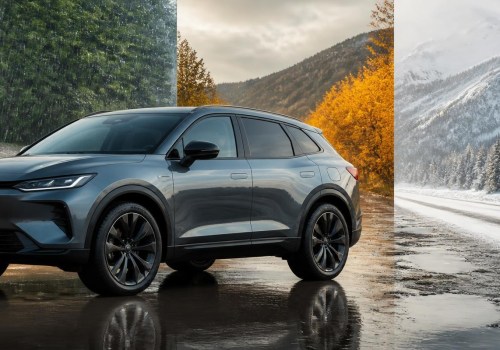
In the ever-evolving world of automotive design, car exterior styling plays a pivotal role in defining a vehicle's identity and appeal. The exterior of a car is not merely a protective shell; it is a canvas that reflects the brand's ethos, innovation, and aesthetic values. From sleek lines to bold contours, the way a car looks can significantly influence consumer perception and market success. As such, manufacturers invest considerable resources into creating visually striking designs that resonate with potential buyers while also adhering to practical considerations. However, the intersection of car design and safety regulations introduces a complex layer to the creative process.
Safety standards are not just bureaucratic hurdles; they are essential guidelines that ensure vehicles protect occupants and pedestrians alike. These regulations dictate various aspects of design, from the height of bumpers to the shape of headlights, all aimed at minimizing injury during collisions. Consequently, automotive designers must strike a delicate balance between aesthetic appeal and compliance with safety mandates. This balancing act often leads to innovative solutions that enhance both automotive aesthetics and safety features. For instance, the integration of crumple zones and pedestrian-friendly designs can influence the overall silhouette of a vehicle, pushing designers to think outside traditional styling norms.
As we delve deeper into how safety regulations shape car exterior styling, it becomes clear that these guidelines not only safeguard lives but also inspire creativity within the automotive industry.
The Role of Safety Regulations in Automotive Design
In the realm of automotive design, safety regulations play a pivotal role in shaping the car exterior styling. These regulations are established to ensure that vehicles not only perform well in crash scenarios but also protect pedestrians and other road users. Understanding these regulations is crucial for manufacturers aiming to create vehicles that meet both aesthetic and safety standards.One of the primary frameworks governing vehicle safety is the Federal Motor Vehicle Safety Standards (FMVSS). These standards dictate various aspects of vehicle design, including structural integrity, visibility, and impact resistance.For instance, the crash test standards require that cars undergo rigorous testing to assess their performance during collisions. This has led to the incorporation of crumple zones and reinforced structures in the car's exterior, which not only enhance safety but also influence the overall design.Another critical aspect is pedestrian safety. Regulations such as the Euro NCAP (New Car Assessment Program) have introduced guidelines that require car manufacturers to design exteriors that minimize injury risk to pedestrians in the event of a collision. This has resulted in softer front-end designs, rounded edges, and the use of materials that can absorb impact more effectively.Moreover, advancements in technology have prompted updates to these regulations.
The integration of active safety features, such as automatic emergency braking and pedestrian detection systems, has influenced exterior styling as well. Manufacturers are now designing vehicles with sensors and cameras seamlessly integrated into the exterior, ensuring that these features do not compromise the vehicle's aesthetic appeal.In summary, safety regulations significantly impact the design of a car's exterior by enforcing standards that prioritize both occupant protection and pedestrian safety. As these regulations evolve, they continue to shape how manufacturers approach car exterior styling, balancing safety with innovative design.
Key Safety Regulations Affecting Car Exterior Styling
When it comes to car exterior styling, safety regulations play a pivotal role in shaping the design and functionality of vehicles. Two of the most significant sets of regulations are the Federal Motor Vehicle Safety Standards (FMVSS) in the United States and the Euro NCAP (New Car Assessment Program) ratings in Europe.These regulations not only ensure the safety of passengers but also influence how manufacturers approach the aesthetics and structural integrity of a car's exterior.
Federal Motor Vehicle Safety Standards (FMVSS)
- Impact Resistance: FMVSS mandates that vehicles must withstand certain impact forces during collisions. This requirement leads to the incorporation of reinforced bumpers and crumple zones, which can affect the overall shape and design of the car.
- Visibility: Regulations regarding headlight brightness and positioning ensure that drivers have optimal visibility. This has led to innovations in LED lighting and sleek headlight designs that enhance both safety and style.
- Pedestrian Safety: Newer FMVSS regulations require designs that minimize injury to pedestrians in case of an accident. This has resulted in softer edges and more rounded shapes on hoods and fenders, which can significantly alter traditional car styling.
Euro NCAP Ratings
- Crumple Zones: Euro NCAP emphasizes the importance of crumple zones, which absorb energy during a collision.
Designers must integrate these zones into the exterior without compromising aesthetic appeal.
- Aerodynamics: The ratings also consider how aerodynamic a vehicle is, which affects fuel efficiency. As a result, manufacturers often blend safety features with aerodynamic styling, leading to sleeker designs that still meet safety standards.
Design Innovations Driven by Safety Standards
In recent years, the automotive industry has witnessed a significant shift in car exterior styling due to evolving safety regulations. Manufacturers are now prioritizing safety features in their designs, leading to innovative solutions that enhance both protection and aesthetics.One of the most notable advancements is the incorporation of crumple zones.These areas are strategically designed to absorb and dissipate energy during a collision, minimizing the impact on passengers. As a result, car manufacturers have had to rethink the overall shape and structure of the vehicle's exterior. The integration of crumple zones often leads to smoother lines and curves, which not only improve safety but also contribute to a more modern and appealing look.Additionally, reinforced structures have become a staple in car design. This involves using high-strength materials in critical areas of the vehicle's exterior, such as the roof and side panels.
These reinforcements not only protect occupants during accidents but also allow for more creative freedom in styling. Designers can experiment with unique shapes while ensuring that safety remains uncompromised.Another important aspect of safety-driven design changes is the focus on pedestrian-friendly features. Regulations now require vehicles to minimize injury risks to pedestrians in the event of a collision. This has led to innovations such as softer front-end designs and energy-absorbing bumpers.
These features not only enhance safety but also influence the overall aesthetic appeal of the car, creating a more approachable and less aggressive look.In conclusion, the impact of safety regulations on car exterior styling is profound. By embracing innovative designs that prioritize safety, manufacturers are not only meeting regulatory requirements but also enhancing the visual appeal of their vehicles. As technology continues to advance, we can expect even more exciting developments in this area.
Balancing Aesthetics and Safety in Car Design
In the realm of car exterior styling, designers often find themselves at a crossroads between creating visually appealing vehicles and adhering to stringent safety regulations. The challenge lies in integrating aesthetic elements without compromising the structural integrity and safety features mandated by law.One of the primary design challenges is the incorporation of crumple zones, which are essential for absorbing impact during collisions.These zones must be strategically placed, often influencing the overall shape and silhouette of the vehicle. For instance, a sleek, low-profile design may look attractive but could hinder the effectiveness of these safety features. Designers must therefore innovate ways to maintain a car's styling balance while ensuring that safety is not an afterthought.
Case Studies: Successes and Failures
Several case studies illustrate this delicate balance. The Tesla Model S, for example, showcases how modern design can harmonize aesthetics with safety.Its smooth lines and futuristic look are complemented by advanced safety features, including a rigid passenger compartment and a low center of gravity that enhances stability.Conversely, the Chevrolet Corvette faced criticism for its earlier models, which prioritized speed and style over pedestrian safety. The sharp edges and aggressive stance, while visually striking, resulted in lower safety ratings due to inadequate protection for pedestrians in the event of a collision.Ultimately, successful car exterior styling requires a collaborative approach where designers work closely with engineers to ensure that every curve and contour serves both aesthetic and functional purposes. This synergy not only enhances the vehicle's appeal but also reinforces its commitment to safety, creating a well-rounded product that meets consumer expectations.As regulations continue to evolve, the automotive industry must remain agile, adapting designs that not only captivate but also protect. The future of car exterior styling will undoubtedly hinge on this balance between beauty and safety.
Future Trends in Car Exterior Styling and Safety Regulations
As we look towards the future of car exterior styling, it is clear that safety regulations will continue to play a pivotal role in shaping design choices.With advancements in technology and materials, manufacturers are increasingly challenged to balance aesthetic appeal with stringent safety standards.One of the most significant trends is the integration of smart materials that can enhance both safety and design. For instance, materials that can absorb impact or change shape upon collision are becoming more prevalent. This not only improves passenger safety but also allows for more innovative and fluid designs that were previously deemed impractical.
Upcoming Safety Regulations
As regulatory bodies worldwide tighten safety standards, we can expect to see a shift in how car exteriors are designed. Upcoming regulations may mandate features such as:- Pedestrian protection systems: Designs will need to incorporate crumple zones and softer surfaces to minimize injury risks to pedestrians.
- Enhanced visibility: New guidelines may require larger windows or specific lighting configurations to improve visibility for both drivers and pedestrians.
- Advanced driver-assistance systems (ADAS): The exterior design will need to accommodate sensors and cameras without compromising the vehicle's aesthetic.
Trends in Automotive Styling
The intersection of safety and style is leading to exciting trends in automotive design.For example:
- Aerodynamic shapes: Future designs will likely emphasize aerodynamics not just for performance but also for safety, as streamlined shapes can reduce drag and improve stability.
- Modular designs: Cars may feature modular components that can be easily replaced or upgraded, allowing for customization while adhering to safety standards.
- Sustainable materials: As environmental concerns grow, manufacturers are exploring eco-friendly materials that also meet safety requirements, creating a dual focus on sustainability and protection.
FAQs About Car Exterior Styling and Safety Regulations
When it comes to the intersection of car exterior styling and safety regulations, several common questions arise. Here are some frequently asked questions that can help clarify this important topic:- How do safety regulations influence car design?
Safety regulations often dictate specific design elements, such as the height of bumpers, the shape of headlights, and the materials used in construction. These regulations aim to minimize injury during collisions and ensure that vehicles meet certain performance standards. - What are the key safety features that affect exterior styling?
Key features include crumple zones, pedestrian safety measures, and visibility enhancements.For instance, a vehicle's front-end design may be influenced by regulations requiring softer edges to reduce pedestrian injuries.
- Are there any aesthetic compromises due to safety standards?
Yes, designers often face challenges in balancing aesthetics with safety. While sleek designs are desirable, they must also comply with regulations that may require bulkier components for protection. - How do manufacturers ensure compliance with safety regulations?
Manufacturers conduct extensive testing and simulations to ensure their designs meet regulatory standards. This includes crash tests and assessments of how the car's exterior will perform in real-world scenarios. - Can innovative designs still meet safety requirements?
Absolutely! Many manufacturers are finding creative ways to incorporate innovative car exterior styling while adhering to safety regulations. Advanced materials and technologies allow for both aesthetic appeal and compliance.