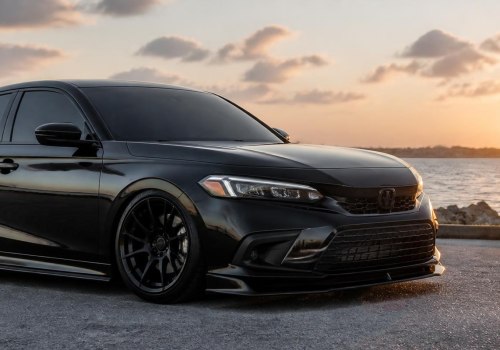
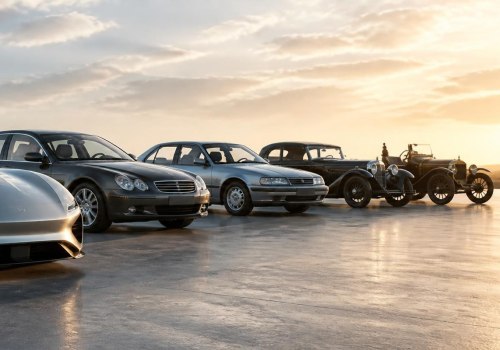
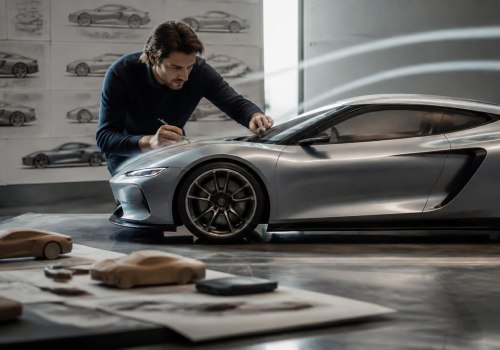
The world of car exterior styling is a fascinating journey through time, reflecting not only technological advancements but also the cultural and aesthetic values of different eras. From the sleek lines of the 1920s to the bold, aggressive designs of modern vehicles, the evolution of car design showcases how manufacturers have continuously adapted to consumer preferences and market trends. Each decade has brought its own unique flair, making the study of car aesthetics an intriguing exploration of art and engineering. In the early days of automotive history, cars were often utilitarian in design, focusing primarily on functionality. However, as competition grew and consumer demand shifted towards more personalized vehicles, manufacturers began to experiment with shapes, colors, and materials.
This shift marked the beginning of a new era where car exterior styling became a crucial aspect of branding and identity. Iconic models emerged, each telling a story through their design choices, from the curvaceous forms of classic American muscle cars to the minimalist elegance of European sedans. As we delve deeper into this topic, we will explore some of the most iconic examples of car exterior styling from various periods. These vehicles not only represent significant milestones in automotive design but also serve as cultural icons that resonate with enthusiasts and casual observers alike. Understanding the evolution of car design allows us to appreciate how far we have come and what lies ahead in the future of automotive aesthetics.
The Classic Era: 1920s to 1940s
The classic era of automotive design, spanning from the 1920s to the 1940s, is renowned for its distinctive car exterior styling that not only defined the vehicles of the time but also laid the groundwork for future innovations.This period was marked by a blend of elegance, artistry, and engineering prowess.In the 1920s , car design began to shift from utilitarian models to more luxurious and stylish vehicles. The introduction of the Ford Model A in 1927 exemplified this change with its rounded fenders and streamlined body, which contrasted sharply with the boxy shapes of earlier models. The use of vibrant colors and chrome accents became popular, allowing manufacturers to showcase their craftsmanship.The 1930s saw a significant evolution in automotive styling, characterized by the Art Deco movement. Cars like the Chrysler Airflow introduced aerodynamic shapes that reduced drag and improved performance.
Its flowing lines and integrated headlights were revolutionary, influencing countless designs that followed. Another iconic model from this decade is the Cadillac V16, which featured a long hood and a luxurious grille, symbolizing wealth and status.
- Key Features of 1930s Car Design:
- Aerodynamic Shapes: Emphasis on reducing wind resistance.
- Streamlined Bodies: Smooth curves replacing sharp angles.
- Luxurious Details: Use of chrome and intricate grille designs.
- The 1940s: The onset of World War II shifted focus towards functionality, but cars like the 1947 Studebaker Champion showcased a return to style with its unique bullet-nose design and wraparound windshield.
The Post-War Boom: 1950s to 1960s
The post-war era, particularly the 1950s and 1960s, marked a significant turning point in car exterior styling. As economies recovered and consumer confidence surged, automotive manufacturers began to embrace bold designs that reflected the optimism of the time.In the 1950s, car design was characterized by flamboyant aesthetics and a sense of adventure.The introduction of tailfins, chrome accents, and vibrant colors became synonymous with this decade. Iconic models like the Cadillac Eldorado and the Chevrolet Bel Air showcased these features, with their sweeping lines and extravagant details that captured the spirit of post-war America.The influence of popular culture also played a crucial role in shaping 1960s automotive trends. The rise of rock 'n' roll and the youth culture movement inspired manufacturers to create vehicles that were not only functional but also expressive. Cars like the Ford Mustang and the Dodge Charger emerged as symbols of freedom and rebellion, featuring muscular designs and sporty silhouettes that appealed to a younger demographic.
- Tailfins: A defining feature of 1950s cars, tailfins added a futuristic touch that was both stylish and aerodynamic.
- Chrome Detailing: Excessive use of chrome became a hallmark of luxury vehicles, enhancing their visual appeal.
- Vibrant Colors: Bright hues like turquoise, pink, and yellow dominated the palette, reflecting the era's exuberance.
- Sleek Lines: The transition to more streamlined shapes in the 1960s emphasized speed and performance.
- Cultural Influences: Music, fashion, and cinema heavily influenced design choices, leading to cars that resonated with contemporary lifestyles.
The boldness of the 1950s and 1960s continues to inspire modern car manufacturers, proving that innovation in design is often driven by cultural shifts and consumer desires.
The Muscle Car Revolution: 1970s
The 1970s muscle car era marked a significant turning point in car exterior styling, characterized by bold designs and powerful performance. This decade saw the rise of vehicles that not only delivered speed but also made a striking visual statement on the road.One of the most iconic examples of American muscle styling is the Ford Mustang Mach 1. With its aggressive front grille, long hood, and wide stance, the Mach 1 embodied the spirit of the muscle car. The addition of functional hood scoops and rear spoilers not only enhanced its aerodynamics but also contributed to its menacing appearance.Another standout from this era is the Dodge Challenger.Launched in 1970, the Challenger featured a distinctive split grille and elongated body lines that emphasized its power. The available wide-body option allowed for larger tires, enhancing both performance and aesthetics. The bold color palette, including hues like Plum Crazy and Hemi Orange, further solidified its status as a symbol of 1970s automotive culture.
- Plymouth Barracuda: Known for its unique fastback design, the Barracuda's sleek silhouette and aggressive front end made it a favorite among enthusiasts.
- Chevrolet Camaro: The second-generation Camaro introduced in 1970 featured a more refined design with a lower profile and wider track, enhancing its sporty appeal.
- Oldsmobile 442: With its muscular stance and distinctive dual exhaust tips, the 442 combined luxury with performance, showcasing a different facet of muscle car styling.
As emissions regulations began to tighten towards the end of the decade, these designs would become nostalgic symbols of an era defined by raw power and unrestrained creativity.
The Rise of Japanese Design: 1980s to 1990s
During the 1980s and 1990s, Japanese car manufacturers emerged as pioneers in car exterior styling, introducing innovative designs that would influence the global automotive landscape. This era marked a significant shift from traditional design philosophies, embracing a more futuristic and aerodynamic approach.One of the most iconic examples from the 1980s is the Nissan 300ZX, which showcased a sleek, wedge-shaped profile that emphasized performance and speed. Its distinctive pop-up headlights and smooth lines not only enhanced its aesthetic appeal but also improved aerodynamics, setting a new standard for sports cars.The Toyota Supra, another hallmark of this decade, featured bold curves and an aggressive stance that captured the essence of Japanese performance vehicles. The integration of technology in design, such as the use of lightweight materials and advanced manufacturing techniques, allowed for more dynamic shapes that were both functional and visually striking.As we transitioned into the 1990s, Japanese automotive design continued to evolve with the rise of JDM (Japanese Domestic Market) styling trends.Cars like the Mitsubishi Eclipse and Honda Civic became symbols of youth culture, characterized by their customizable exteriors and vibrant colors. These vehicles often featured exaggerated body kits, large spoilers, and unique paint jobs that appealed to a generation eager for self-expression.The Nissan Skyline GT-R, with its aggressive front fascia and wide body, epitomized the performance-oriented design philosophy of this era. Its iconic look not only made it a favorite among enthusiasts but also solidified its status in popular culture, further influencing car exterior styling trends worldwide.In summary, the 1980s and 1990s were transformative years for Japanese car exterior styling. The combination of innovative design elements, technological advancements, and cultural influences led to a unique aesthetic that continues to resonate in today’s automotive designs.
Modern Innovations: 2000s to Present
As we moved into the 2000s, car exterior styling began to reflect a blend of technological advancements and evolving consumer preferences.This era marked a significant shift towards more aerodynamic designs, with manufacturers focusing on improving fuel efficiency while maintaining aesthetic appeal.
2000s car design trends
prominently featured sharper lines and aggressive stances, moving away from the rounded shapes of the late 1990s. Vehicles like the BMW Z4 and Audi TT showcased this trend, emphasizing a sporty look that appealed to younger buyers. The integration of LED lighting not only enhanced visibility but also allowed for more creative and distinctive lighting signatures, as seen in models like the Mercedes-Benz CLS.Another significant trend was the rise of sustainability in automotive design. With growing environmental concerns, manufacturers began to explore eco-friendly materials and production methods.The Tesla Model S, for instance, not only revolutionized electric vehicle performance but also introduced sleek, minimalist exteriors that emphasized modernity and sustainability.
Modern automotive styling
has also embraced technology integration. Features such as panoramic sunroofs, retractable door handles, and touch-sensitive controls have become commonplace, enhancing both functionality and aesthetics. The Porsche Taycan, with its smooth lines and futuristic cockpit, exemplifies how technology can be seamlessly woven into car design.Looking ahead, the future of futuristic car exteriors is likely to be shaped by advancements in materials science and autonomous driving technology. Concepts like the BMW Vision Next 100 showcase how cars might evolve into more fluid forms that prioritize aerodynamics and efficiency while offering customizable exteriors that adapt to user preferences.In conclusion, the evolution of car exterior styling from the 2000s to the present reflects a dynamic interplay between aesthetics, technology, and sustainability.As consumer demands continue to shift, we can expect even more innovative designs that challenge traditional notions of what a car can be.
Iconic Models That Shaped Car Exterior Styling
Throughout automotive history, certain models have not only defined their eras but have also significantly influenced car exterior styling. These iconic vehicles showcase innovative designs that continue to inspire modern automotive aesthetics.1.Ford Model T (1908) The Ford Model T is often credited with revolutionizing the automobile industry. Its simple yet functional design made it accessible to the masses, and its rounded fenders and minimalist bodywork set a precedent for future vehicles.2.Chevrolet Corvette (1953) The first-generation Corvette introduced a sleek, sporty silhouette that became synonymous with American muscle. Its long hood and short rear deck created a dynamic profile that influenced countless sports cars that followed.3.Volkswagen Beetle (1938) With its distinctive rounded shape and friendly demeanor, the Volkswagen Beetle is one of the most recognizable cars in history.Its unique design was not only practical but also became a cultural icon, representing the spirit of the 1960s.4.Jaguar E-Type (1961) Often hailed as one of the most beautiful cars ever made, the Jaguar E-Type combined elegance with performance. Its long lines and curvaceous bodywork exemplified the art of car exterior styling, influencing luxury sports cars for decades.5.Lamborghini Miura (1966) The Lamborghini Miura is credited with establishing the supercar segment. Its low profile, aggressive stance, and innovative mid-engine layout set new standards for performance and aesthetics in automotive design.6.Tesla Model S (2012) As a modern example, the Tesla Model S showcases how electric vehicles can embody cutting-edge car exterior styling. Its sleek lines and minimalist approach reflect contemporary design trends while pushing the boundaries of technology and sustainability. These models not only represent their respective eras but also highlight how influential car designs can leave a lasting legacy in the automotive world.
Each vehicle tells a story of innovation, creativity, and cultural significance that continues to resonate with enthusiasts today.
Future Trends in Car Exterior Styling
As we look towards the future of car exterior styling, several key trends are emerging that reflect advancements in technology and evolving consumer preferences. The automotive industry is on the brink of a significant transformation, driven by the rise of electric vehicles (EVs) and a growing emphasis on sustainability.1.Minimalist Designs
- Future car designs are likely to embrace minimalism, focusing on clean lines and simple shapes. This trend not only enhances aerodynamics but also aligns with the modern consumer's desire for simplicity and elegance.
- As technology advances, manufacturers will have more freedom to create streamlined designs that reduce drag, improving efficiency and performance.
2.Adaptive Exterior Features
- With the integration of smart technology, we can expect to see adaptive exterior features that change based on driving conditions or user preferences. For instance, cars may have adjustable aerodynamics or customizable lighting systems that enhance both functionality and aesthetics.
- This adaptability will allow vehicles to not only perform better but also to express individuality, catering to a more personalized driving experience.
3.Sustainable Materials
- The push for sustainability will lead to the use of eco-friendly materials in car exteriors.
Manufacturers are exploring options like recycled plastics and bio-based composites that reduce environmental impact while maintaining durability and style.
- This shift not only meets regulatory demands but also resonates with environmentally conscious consumers who prioritize sustainability in their purchasing decisions.
4.Enhanced Lighting Technology
- The future of car exterior styling will likely see significant advancements in lighting technology. LED and OLED lights will become more prevalent, allowing for innovative designs that enhance visibility while providing unique visual signatures for brands.
- This evolution in lighting can also serve functional purposes, such as adaptive headlights that adjust based on road conditions, further enhancing safety.
FAQs About Car Exterior Styling
When it comes to car exterior styling, enthusiasts and casual observers alike often have questions about the design elements that define a vehicle's aesthetic appeal. Here are some frequently asked questions that delve into the nuances of automotive design.What are the key elements of car exterior styling?
The key elements of car exterior styling include:- Body Shape: The overall silhouette and contours that create the vehicle's profile.
- Color and Finish: The choice of paint and materials that enhance visual appeal.
- Lighting: Headlights, taillights, and other lighting features that contribute to the car's character.
- Grille Design: The front grille not only serves a functional purpose but also plays a significant role in brand identity.
- Wheels and Tires: The design and size of wheels can dramatically affect the overall look of a car.
How does car exterior styling impact performance?
Car exterior styling is not just about aesthetics; it also influences performance.For instance, aerodynamic shapes reduce drag, improving fuel efficiency and handling. Features like spoilers and diffusers are designed to enhance downforce, which can be crucial for high-performance vehicles.
What trends are shaping modern car exterior design?
Modern car exterior styling trends include:- Sustainability: Use of eco-friendly materials and finishes.
- Simplified Lines: A move towards minimalism with cleaner, more streamlined designs.
- LED Lighting: Innovative lighting solutions that enhance visibility and style.
- Customization: Increased options for personalization to cater to individual tastes.