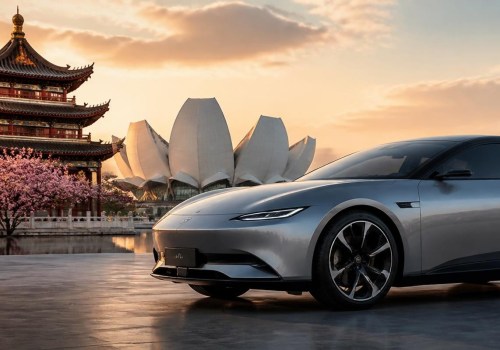
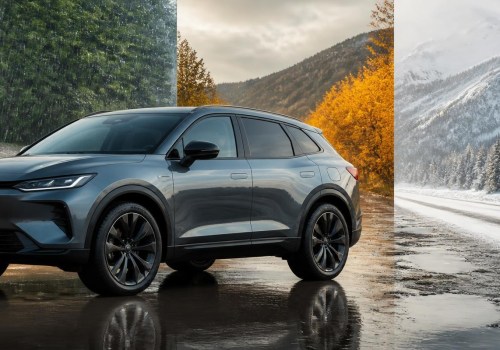
In the competitive landscape of the automotive industry, car exterior styling plays a pivotal role in attracting consumers and influencing their purchasing decisions. The exterior design of a vehicle is often the first aspect that potential buyers notice, making it a crucial element in the overall appeal of a car. A well-executed design not only enhances aesthetic value but also communicates the brand's identity and values, setting the tone for the entire driving experience. The importance of car design extends beyond mere looks; it encompasses functionality, aerodynamics, and safety features. A vehicle's exterior must balance visual appeal with practical considerations, such as fuel efficiency and structural integrity.
As manufacturers strive to create eye-catching designs that resonate with consumers, they must also navigate various factors influencing car aesthetics, including market trends, consumer preferences, and technological advancements. However, one significant challenge that automakers face is the impact of budget constraints on their design choices. Limited financial resources can restrict the materials used, the complexity of design elements, and even the technology integrated into a vehicle's exterior. This section will delve deeper into how these budgetary limitations shape car exterior styling and ultimately affect consumer choices in the marketplace.
The Role of Budget in Automotive Design
In the realm of automotive design, budget constraints play a pivotal role in shaping the exterior styling of vehicles. The design process is inherently complex, requiring a delicate balance between aesthetics, functionality, and cost.When manufacturers set a budget for a new model, it directly influences various aspects of the design, from material selection to the intricacy of the styling.One of the primary factors affected by budget is the choice of materials. High-end materials such as carbon fiber or aluminum can significantly enhance a vehicle's appearance and performance but come with a hefty price tag. In contrast, more economical options like plastic or steel may limit the design's visual appeal but are often necessary to keep production costs manageable. This trade-off can lead to a more utilitarian look for budget-friendly models, while luxury vehicles often showcase more elaborate and visually striking designs.Additionally, the complexity of the car exterior styling is influenced by budgetary constraints.
More intricate designs require advanced manufacturing techniques and tooling, which can escalate costs. For instance, features like sculpted body panels or unique lighting elements may be feasible for high-end models but impractical for mass-market vehicles. As a result, designers must prioritize which elements will deliver the most impact within the given financial framework.Moreover, the automotive design process involves extensive prototyping and testing phases that can be costly. A limited budget may restrict the number of prototypes created or the extent of testing conducted, potentially impacting the final product's quality and appeal.
Manufacturers often have to make tough decisions about which features to include or exclude based on their projected return on investment.In summary, budget constraints are a fundamental aspect of car design that significantly influence exterior styling. From material choices to design complexity and testing capabilities, financial considerations shape how vehicles are styled and ultimately perceived in the market.
Material Choices and Their Impact on Styling
When it comes to car exterior styling, the choice of materials plays a crucial role, especially under budget constraints. Manufacturers often have to balance aesthetics with cost-effectiveness, leading to specific material selections that can significantly influence the overall design and appeal of a vehicle.Traditionally, metals like steel and aluminum have been favored for their durability and premium feel. However, these materials can be expensive and may not fit within tighter budgets.As a result, many automakers are turning to cost-effective materials such as plastics and composites. These alternatives not only reduce production costs but also allow for more intricate designs that can enhance the styling of the car.
The Shift to Plastics
Plastics have become increasingly popular in the automotive industry due to their lightweight nature and versatility. They can be molded into complex shapes, enabling designers to create unique exterior features that stand out in a crowded market. For instance, plastic bumpers and fenders can be designed with aerodynamic properties that improve fuel efficiency while also providing a modern look.Impact on Design
The shift towards plastic materials does come with trade-offs.While they offer flexibility in design, they may lack the premium feel associated with metal components. This can affect consumer perception, as some buyers equate metal with quality and durability. Additionally, the longevity of plastic parts can be a concern; they may not withstand environmental factors as well as metals, potentially leading to higher long-term costs for consumers.
- Cost Savings: Using plastics can significantly lower production costs.
- Design Flexibility: Plastics allow for innovative shapes and styles.
- Weight Reduction: Lighter materials contribute to better fuel efficiency.
- Durability Concerns: Plastics may not perform as well as metals over time.
Design Trends vs.
Budget LimitationsThe world of car exterior styling is constantly evolving, influenced by emerging design trends that reflect consumer preferences and technological advancements. However, these trends often clash with the harsh realities of budget limitations. Manufacturers must navigate this complex landscape to deliver vehicles that are not only visually appealing but also financially viable.One of the most significant challenges is the rising cost of materials and production processes. For instance, while sleek lines and aerodynamic shapes are in vogue, achieving these designs often requires advanced manufacturing techniques and high-quality materials that can inflate production costs.
As a result, many manufacturers find themselves at a crossroads: should they invest in cutting-edge designs or stick to more traditional, cost-effective styling?To address these challenges, automakers are increasingly adopting a strategy of balancing trends and costs. This involves:
- Modular Design: Utilizing modular components allows manufacturers to create diverse models without incurring excessive costs. By standardizing certain elements across different vehicles, they can maintain a modern aesthetic while keeping expenses in check.
- Material Innovation: The use of alternative materials, such as high-strength plastics or composites, can reduce weight and production costs while still achieving a premium look. This innovation enables manufacturers to stay aligned with design trends without compromising their budget.
- Consumer Feedback: Engaging with consumers to understand their preferences helps manufacturers prioritize features that resonate most with buyers.
This targeted approach ensures that investments in design align with market demand, maximizing return on investment.
Case Studies: Budget-Friendly Cars and Their Styling Choices
When examining the impact of budget constraints on car exterior styling, real-world examples provide valuable insights. Several manufacturers have successfully created budget-friendly cars that still manage to stand out in terms of design. One notable example is the Honda Fit. This subcompact car is known for its practicality and affordability, yet it features a distinctive exterior with a sporty stance and sharp lines.The use of simple yet effective design elements, such as a sloping roofline and bold front fascia, allows the Fit to maintain an appealing aesthetic without incurring high production costs. Another case study is the Kia Rio. The Rio showcases how budget constraints can lead to innovative styling solutions. Its exterior design incorporates a wide grille and sleek headlights, giving it a modern look that belies its low price point. By utilizing cost-effective materials and streamlined manufacturing processes, Kia has managed to create a visually appealing vehicle that attracts buyers looking for affordability without sacrificing style. The Chevrolet Spark also exemplifies how budget-friendly cars can achieve unique styling.
With its compact dimensions and playful design, the Spark stands out in urban environments. The use of vibrant color options and distinctive rear taillights enhances its visual appeal while keeping production costs manageable. In summary, these case studies illustrate that even within strict budget constraints, manufacturers can employ creative design strategies to produce affordable car styling. By focusing on key design elements and utilizing efficient production techniques, they can deliver vehicles that resonate with consumers seeking both value and style.
Consumer Perception and Market Demand
Consumer perception of car exterior styling plays a crucial role in shaping market demand, particularly when budget constraints come into play. As consumers navigate their purchasing decisions, the aesthetic appeal of a vehicle often weighs heavily against its price tag.In a competitive automotive market, manufacturers must balance the desire for stylish designs with the realities of production costs.When consumers are faced with limited budgets, their priorities shift. Many buyers may prioritize functionality and reliability over cutting-edge design. However, this does not mean that stylish cars are disregarded entirely. Instead, consumers often seek vehicles that offer a blend of affordability and visual appeal.
This creates a unique challenge for automakers: how to deliver attractive designs without inflating costs.
- Perception of Value: Consumers tend to associate sleek and modern car exterior styling with higher value. A well-designed vehicle can evoke feelings of prestige and desirability, even if it is budget-friendly.
- Market Segmentation: Different segments of the market respond differently to design elements. For instance, younger buyers may prioritize trendy aesthetics, while older consumers might lean towards classic styles that convey reliability.
- Influence of Trends: Current trends in automotive design can significantly impact consumer choices. For example, the rise of electric vehicles has led to a demand for futuristic designs that reflect innovation.
When faced with financial limitations, buyers often turn to brands that offer stylish options at lower price points. This has led to an increase in competition among manufacturers to create visually appealing vehicles that do not compromise on quality or performance.Ultimately, understanding the relationship between consumer perception, market demand, and budget constraints is essential for automakers aiming to capture the attention of potential buyers. By aligning their designs with consumer expectations while keeping costs manageable, manufacturers can successfully navigate the complexities of the automotive market.
Future Trends: Budget Constraints and Innovation in Car Styling
As the automotive industry continues to evolve, budget constraints are shaping the future of car exterior styling in innovative ways. Manufacturers are increasingly challenged to deliver aesthetically pleasing vehicles while keeping costs low, leading to a surge in creative solutions that prioritize both design and affordability.Future of Car Design
- Modular Design: One trend gaining traction is the use of modular components that allow for easier customization and repair.
This approach not only reduces production costs but also enables consumers to personalize their vehicles without significant financial investment.
- Aerodynamic Efficiency: With rising fuel prices and environmental concerns, car manufacturers are focusing on aerodynamic styling. Streamlined designs not only enhance the vehicle's appearance but also improve fuel efficiency, making them more appealing to budget-conscious buyers.
Innovation in Budget Cars
- 3D Printing: The advent of 3D printing technology is revolutionizing how car parts are produced. This method allows for intricate designs at a lower cost, enabling manufacturers to experiment with unique exterior styling elements that were previously too expensive to produce.
- Smart Materials: The integration of smart materials that can change color or texture based on environmental conditions is another exciting development. These materials not only enhance the visual appeal but also offer practical benefits, such as improved durability and reduced maintenance costs.
Sustainable Materials in Car Styling
- Recycled Plastics: As sustainability becomes a priority, many manufacturers are turning to recycled plastics for exterior components.
This not only reduces costs but also appeals to environmentally conscious consumers.
- Bamboo and Natural Fibers: The use of natural materials like bamboo and other fibers is on the rise. These materials provide a unique aesthetic while being cost-effective and sustainable, aligning with the growing demand for eco-friendly products.
FAQs about Car Exterior Styling and Budget Constraints
When it comes to car exterior styling, many consumers have questions about how budget constraints influence design choices. Here are some frequently asked questions that shed light on this topic:- How do budget constraints impact the design of car exteriors?
Budget constraints often lead manufacturers to prioritize functionality over aesthetics.This means that while high-end models may feature intricate designs and premium materials, budget-friendly options might utilize simpler shapes and less expensive finishes to keep costs down.
- Are there specific features that are sacrificed due to budget limitations?
Yes, features such as advanced lighting systems, unique paint options, and high-quality trim materials are often the first to be cut from the design process in lower-priced vehicles. Manufacturers may also opt for more generic body shapes that are easier and cheaper to produce. - Can consumers still find stylish options within a budget?
Absolutely! Many manufacturers are now focusing on creating visually appealing designs even in their budget models. Look for brands that emphasize affordable aesthetics, as they often incorporate stylish elements without significantly increasing the price. - How do consumer preferences influence exterior styling under budget constraints?
Consumer demand plays a crucial role. If a significant number of buyers express a desire for certain aesthetic features, manufacturers may allocate more resources to those aspects, even in budget models.This can lead to innovative solutions that enhance style without drastically increasing costs.