In the competitive landscape of the automotive industry, car exterior styling plays a pivotal role in shaping consumer perceptions and driving sales. The design of a vehicle's exterior is not merely an aesthetic choice; it serves as a critical element that communicates a brand's identity and values. From sleek lines to bold contours, the visual appeal of a car can evoke emotions and create lasting impressions, making it a significant factor in a buyer's decision-making process. As consumers increasingly prioritize style alongside functionality, the importance of car exterior styling has surged. A well-designed exterior can differentiate a vehicle in a crowded market, attracting potential buyers who are drawn to innovative designs and modern aesthetics.
This trend is evident in the rise of electric vehicles, where manufacturers often emphasize futuristic designs to align with their eco-friendly messaging. Consequently, the impact of styling on car sales cannot be overstated; vehicles that resonate with consumers on an emotional level tend to perform better in terms of sales and brand loyalty. Moreover, car design significance extends beyond mere looks; it encompasses factors such as aerodynamics, safety features, and even fuel efficiency. A vehicle that combines striking car exterior styling with practical benefits not only appeals to the eye but also meets the functional needs of drivers. As we delve deeper into the evolution of car exterior styling, it becomes clear that this aspect of automotive design is integral to understanding consumer behavior and market trends.
Historical Overview of Car Exterior Styling
The history of car design is a fascinating journey that reflects not only technological advancements but also changing cultural values and consumer preferences.From the early days of the automobile in the late 19th century, car exterior styling has undergone significant transformations, influenced by various factors including aerodynamics, safety, and aesthetics.In the early 1900s, cars were primarily utilitarian, with designs that emphasized functionality over form. The vintage car designs of this era featured boxy shapes and minimal ornamentation. However, as competition grew and consumer demand for more visually appealing vehicles increased, manufacturers began to experiment with curves and embellishments. The introduction of the Model T by Ford in 1908 marked a pivotal moment; it not only made cars accessible to the masses but also set a standard for design simplicity.By the 1920s and 1930s, the automotive industry saw a surge in creativity.
Streamlined designs emerged, inspired by the principles of aerodynamics. Cars like the Duesenberg Model J showcased luxurious features and intricate details, reflecting the opulence of the era. This period also saw the rise of iconic brands such as Cadillac and Packard, which emphasized elegance in their car exterior styling.The post-World War II era brought about another revolution in car design. The introduction of new materials and manufacturing techniques allowed for more innovative shapes.
The 1950s and 1960s are often celebrated for their bold designs characterized by tailfins and vibrant colors. Cars like the Chevrolet Bel Air became symbols of freedom and prosperity.As we moved into the late 20th century, environmental concerns began to influence car exterior styling. The focus shifted towards more aerodynamic shapes that improved fuel efficiency while maintaining aesthetic appeal. Today, modern designs often incorporate elements of sustainability alongside cutting-edge technology.In conclusion, the evolution of car styling is a testament to human creativity and adaptability.
From simple beginnings to complex modern designs, each era has left its mark on how we perceive automobiles today.
Key Design Trends Through the Decades
The evolution of car exterior styling reflects the changing tastes, technologies, and cultural influences of each decade. From the flamboyant designs of the 1950s to the sleek lines of modern vehicles, each era has left its mark on automotive aesthetics.1950s: The Age of Chrome and Curves
The 1950s marked a golden age for car design, characterized by bold colors, chrome accents, and sweeping curves. This decade was heavily influenced by post-war optimism and the rise of consumerism. Automakers like Cadillac and Chevrolet introduced models with tailfins and expansive hoods, symbolizing power and freedom.The use of vibrant paint jobs and elaborate detailing made cars not just a mode of transport but a statement of personal style.
1960s-1970s: The Shift to Performance
As the 1960s rolled in, car exterior styling began to reflect a growing interest in performance. Muscle cars emerged, featuring aggressive stances and powerful engines. Brands like Ford and Pontiac capitalized on this trend with models like the Mustang and GTO, which boasted wider bodies and lower profiles. The emphasis shifted from purely aesthetic elements to a combination of style and speed.1980s: Aerodynamics Take Center Stage
The 1980s ushered in a new era focused on aerodynamics.With rising fuel prices and increasing environmental awareness, manufacturers began designing cars that were not only stylish but also efficient. The introduction of features like sloped windshields and integrated bumpers became common. Vehicles such as the Honda Accord and Ford Taurus showcased these trends, emphasizing smooth lines that reduced drag while maintaining a modern look.Overall, each decade has contributed unique elements to car exterior styling, influenced by societal changes, technological advancements, and shifting consumer preferences. Understanding these trends provides insight into how automotive design continues to evolve today.
Influence of Technology on Car Exterior Styling
The evolution of car exterior styling has been significantly influenced by advancements in technology, which have transformed not only the aesthetics but also the functionality of vehicles.As manufacturers strive to create visually appealing designs, they increasingly rely on cutting-edge technologies that enhance both performance and safety.
Impact of Aerodynamics on Styling
Aerodynamics plays a crucial role in modern car design. The need for improved fuel efficiency and reduced wind resistance has led to the adoption of sleek, streamlined shapes. Designers now utilize computational fluid dynamics (CFD) simulations to analyze airflow around vehicles, allowing them to create contours that minimize drag. This focus on aerodynamics has resulted in cars that not only look modern but also perform better on the road.Materials Used in Car Exteriors
The introduction of new materials has also revolutionized car exterior styling.Traditional steel bodies are increasingly being replaced by lightweight materials such as aluminum and advanced composites. These materials not only reduce the overall weight of the vehicle, enhancing fuel efficiency, but also allow for more intricate designs that were previously impossible with heavier metals. For instance, the use of high-strength plastics enables manufacturers to create complex shapes while maintaining durability.
Technology in Car Design
Furthermore, technology has enabled greater customization in car exterior styling. With the advent of 3D printing and advanced manufacturing techniques, car makers can produce unique body parts and accessories tailored to individual preferences.This shift towards personalization reflects a broader trend in the automotive industry, where consumers seek vehicles that express their identity.In conclusion, the influence of technology on car exterior styling is profound and multifaceted. From aerodynamic principles that enhance performance to innovative materials that allow for creative freedom, technology continues to shape the way we perceive and interact with automobiles.
The Role of Consumer Preferences in Car Design
The evolution of car exterior styling has been significantly shaped by consumer preferences and market trends. As buyers become more discerning, their expectations for vehicle aesthetics have transformed, prompting manufacturers to adapt their designs accordingly.In the early days of automotive design, functionality often took precedence over style. However, as the market matured, consumers began to prioritize aesthetics alongside performance.This shift is evident in the rise of iconic designs that resonate with buyers on an emotional level. For instance, the sleek lines and aggressive stances of modern sports cars reflect a growing consumer desire for vehicles that not only perform well but also make a statement.
Market Trends Influencing Car Styling
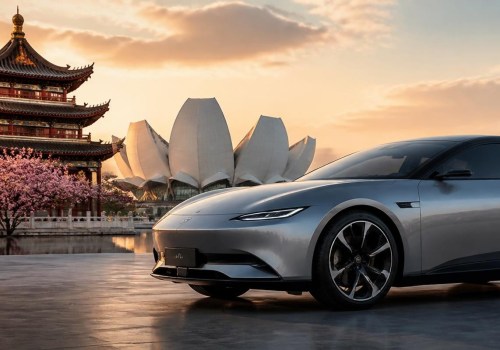
Several key trends have emerged in recent years that illustrate how market demands influence car exterior styling:- Sustainability: With increasing awareness of environmental issues, consumers are gravitating towards eco-friendly designs. This has led to the popularity of electric vehicles (EVs) that feature futuristic aesthetics and aerodynamic shapes.
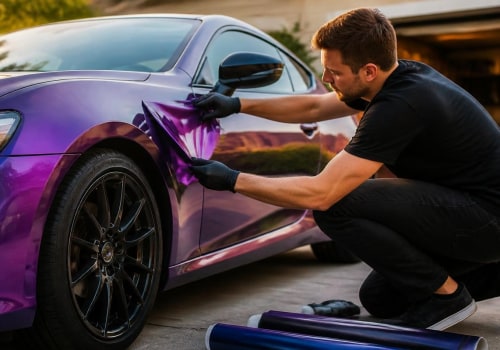
- Customization: Today's buyers seek personalization options that allow them to express their individuality. This trend has encouraged manufacturers to offer a variety of exterior colors, finishes, and accessories.
- Technology Integration: The incorporation of advanced technology into car design has also influenced consumer preferences.
Features like LED lighting and integrated sensors have become essential elements of modern styling.
Sustainability and Future Trends in Car Exterior Styling
As the automotive industry faces increasing pressure to address environmental concerns, sustainability has become a pivotal factor in car exterior styling.Manufacturers are now prioritizing eco-friendly designs that not only appeal to consumers but also minimize environmental impact. This shift is evident in the adoption of sustainable materials and innovative manufacturing processes.
Sustainable Car Design
- Recycled Materials: Many automakers are incorporating recycled plastics and metals into their vehicle exteriors. This not only reduces waste but also lowers the carbon footprint associated with new material production.
- Biodegradable Components: The use of biodegradable materials for non-structural elements is gaining traction, allowing for a more sustainable lifecycle for vehicles.
- Lightweight Structures: Advances in engineering have led to lighter car designs, which improve fuel efficiency and reduce emissions. This trend is likely to continue as manufacturers seek to balance performance with sustainability.
Future Trends in Automotive Styling
The future of car exterior styling will likely be shaped by several key trends:
- Aerodynamic Designs: As electric vehicles (EVs) become more prevalent, aerodynamic shapes will be essential for maximizing range and efficiency.
- Modular Exteriors: The concept of modular design allows for easy updates and repairs, reducing waste and extending the life of the vehicle.
- Smart Materials: Innovations in smart materials that can change color or texture based on environmental conditions or user preferences will redefine personalization in car design.
As consumer expectations shift towards eco-friendliness, manufacturers must innovate continuously to meet these demands while maintaining aesthetic appeal and functionality.
FAQs About Car Exterior Styling Evolution
As the automotive industry continues to evolve, many enthusiasts and consumers alike have questions about the changes in car exterior styling. Here are some frequently asked questions that shed light on this fascinating topic.- What are the major influences on car exterior styling?
Car exterior styling has been influenced by various factors including technological advancements, consumer preferences, and environmental considerations. For instance, the introduction of aerodynamic designs in the 1980s was largely driven by the need for fuel efficiency. - How has technology impacted car design?
Technology has played a crucial role in shaping car exterior styling. Innovations such as computer-aided design (CAD) allow designers to create more complex shapes and structures, leading to sleeker and more efficient vehicles. - What trends have defined car exterior styling in recent years?
Recent trends include the rise of electric vehicles (EVs) which often feature minimalist designs, as well as a focus on sustainability that encourages the use of eco-friendly materials.Additionally, the popularity of SUVs has led to a shift towards more robust and aggressive styling.
- Are there any cultural influences on car design?
Absolutely! Car designs often reflect cultural trends and societal values. For example, the retro styling seen in some modern cars pays homage to classic designs, appealing to nostalgia among consumers. - How do regulations affect car exterior styling?
Government regulations regarding safety and emissions can significantly impact car exterior styling. For instance, stricter safety standards may require additional structural elements that alter a vehicle's appearance.
Conclusion: The Future of Car Exterior Styling
As we reflect on the evolution of car exterior styling, it becomes clear that this aspect of automotive design is not merely about aesthetics; it is a reflection of technological advancements, cultural shifts, and consumer preferences. From the sleek lines of classic cars to the bold, aggressive designs of modern vehicles, each era has left its mark on how we perceive and interact with automobiles.Looking ahead, the future of car exterior styling is poised for exciting transformations driven by several key factors:- Sustainability: With an increasing focus on environmental impact, manufacturers are likely to adopt eco-friendly materials and designs that enhance aerodynamics while reducing carbon footprints.
- Technology Integration: The rise of electric vehicles (EVs) and autonomous driving technology will influence car exterior styling.
Expect to see designs that accommodate new technologies, such as sensors and cameras, seamlessly integrated into the vehicle's body.
- Customization: As consumers seek more personalized experiences, we may witness a surge in customizable exterior options. This trend will allow drivers to express their individuality through unique color schemes, body kits, and accessories.
- Aerodynamic Efficiency: Future designs will likely prioritize aerodynamics not just for performance but also for energy efficiency. Sleeker shapes and innovative features will help reduce drag and improve fuel economy.
As we move forward, it will be fascinating to see how these elements converge to create the next generation of automobiles that are not only visually striking but also environmentally responsible and technologically advanced.