In the ever-evolving world of automotive design, car exterior styling plays a pivotal role in defining a vehicle's identity and appeal. As consumers become increasingly discerning, manufacturers are compelled to innovate and incorporate features that not only enhance aesthetics but also improve functionality. The modern car exterior is a harmonious blend of art and engineering, where every curve, line, and detail serves a purpose. Today's vehicles showcase a variety of modern car features that reflect current design trends and consumer preferences. From sleek aerodynamic shapes that reduce drag to bold front grilles that convey strength and character, the exterior of a car is often the first impression it makes.
Additionally, advancements in materials and technology have allowed for more intricate designs, such as LED lighting elements that provide both style and improved visibility. As we delve deeper into the common features found in modern car exteriors, it becomes clear that car design trends are not just about looks; they also encompass safety, efficiency, and sustainability. Features like adaptive headlights, integrated spoilers, and eco-friendly paint options are becoming standard as manufacturers strive to meet the demands of a more environmentally conscious market. Understanding these elements is essential for anyone interested in the future of automotive design.
Aerodynamic Design Elements
In the realm of car exterior styling, aerodynamic design elements play a crucial role in enhancing both performance and fuel efficiency. Modern vehicles are meticulously crafted with shapes that minimize air resistance, allowing them to glide smoothly through the atmosphere.Aerodynamic Shapes
- Curved Surfaces: The use of curves rather than sharp angles helps to direct airflow more efficiently around the vehicle.
This not only reduces drag but also contributes to a more visually appealing design.
- Spoilers: Often found on sports cars, spoilers are designed to create downforce, which improves traction at high speeds. They also help manage airflow over the rear of the vehicle, further enhancing stability.
- Air Intakes: Strategically placed air intakes can channel air into the engine compartment for cooling while also aiding in reducing drag. These features are often integrated seamlessly into the overall design, maintaining aesthetic appeal.
Benefits of Aerodynamics
- Improved Fuel Efficiency: By reducing drag, aerodynamic designs allow vehicles to consume less fuel, making them more economical and environmentally friendly.
- Enhanced Performance: Cars designed with aerodynamics in mind can achieve higher speeds and better handling, providing a more exhilarating driving experience.
- Noise Reduction: A well-aerodynamic car often experiences less wind noise, contributing to a quieter cabin environment for passengers.
Lighting Innovations in Car Exteriors
In recent years, car lighting technology has undergone significant advancements, transforming the way vehicles are designed and perceived.Modern car exteriors now feature innovative lighting solutions that not only enhance safety but also contribute to the overall aesthetic appeal of the vehicle.One of the most notable developments in this area is the widespread adoption of LED headlights. Unlike traditional halogen bulbs, LED lights offer several advantages:
- Energy Efficiency: LEDs consume less power, which can lead to improved fuel efficiency.
- Longevity: LED headlights have a longer lifespan, reducing the need for frequent replacements.
- Brightness: They provide a brighter and more focused beam of light, improving visibility during nighttime driving.
Tail lights and turn signals have also evolved, with many manufacturers opting for dynamic lighting effects that improve visibility and communication with other drivers. For instance, sequential turn signals illuminate in a wave-like pattern, making it clearer when a driver intends to change lanes or make a turn.Furthermore, some vehicles now feature ambient lighting that enhances the exterior look while providing functional benefits. This can include illuminated door handles or underbody lights that not only add a stylish touch but also improve safety when entering or exiting the vehicle in low-light conditions.In conclusion, the innovations in car lighting technology are pivotal in modern car exterior styling. By combining functionality with aesthetic appeal, these advancements not only enhance safety but also elevate the overall design of contemporary vehicles.
Material Choices and Their Impact on Styling
In the realm of car exterior styling, the choice of materials plays a pivotal role in shaping both aesthetics and functionality.Modern vehicles increasingly utilize advanced materials such as aluminum and carbon fiber, which not only enhance the visual appeal but also contribute to improved performance.
Aluminum
has become a popular choice for car manufacturers due to its lightweight properties. This metal allows for sleek designs that can reduce drag and improve fuel efficiency. Additionally, aluminum can be molded into complex shapes, enabling designers to create more dynamic and visually striking exteriors. The shiny finish of aluminum also adds a modern touch, making vehicles look more sophisticated.
Carbon fiber
, on the other hand, is celebrated for its exceptional strength-to-weight ratio.
This material is often found in high-performance vehicles where styling meets engineering excellence. The use of carbon fiber not only contributes to a sporty aesthetic but also enhances the car's agility and speed by reducing overall weight. Its unique texture and finish can give cars a cutting-edge look that appeals to enthusiasts.Moreover, the integration of these lightweight materials allows for innovative design features that were previously unattainable. For instance, manufacturers can create intricate body lines and contours that enhance the vehicle's aerodynamics while maintaining structural integrity.In summary, the selection of materials like aluminum and carbon fiber significantly impacts car exterior styling.
These choices not only influence the visual aspects of a vehicle but also play a crucial role in its performance, making them essential considerations for modern automotive design.
Color Trends and Customization Options
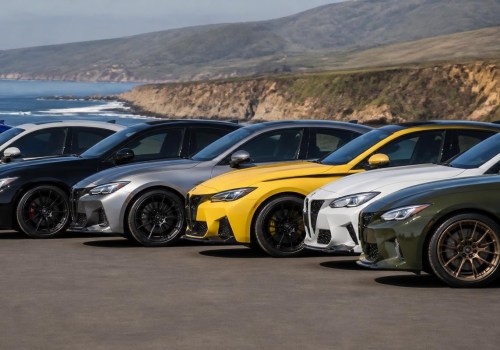
In recent years, car color trends have evolved significantly, reflecting broader societal shifts and consumer preferences. The automotive industry has seen a resurgence in vibrant colors, moving away from the traditional monochromatic palette. Shades like electric blue , deep green , and rich burgundy are gaining popularity, appealing to younger buyers who seek to express their individuality through their vehicles.Moreover, the demand for customization in car design has skyrocketed. Consumers are no longer satisfied with factory-standard options; they want vehicles that reflect their personal style.This trend is evident in the rise of aftermarket modifications, where owners opt for unique paint jobs, custom wraps, and personalized detailing. Many manufacturers now offer extensive customization programs that allow buyers to choose everything from the color of the exterior to the finish of the wheels.
- Matte Finishes: Matte paint has become a favorite among car enthusiasts, providing a sleek and modern look that stands out on the road.
- Metallic and Pearl Colors: These finishes add depth and shimmer, making colors appear more dynamic under different lighting conditions.
- Two-Tone Designs: Combining two contrasting colors can create a striking visual effect, allowing for greater personalization.
Embracing these trends not only enhances aesthetic appeal but also fosters a deeper connection between drivers and their vehicles.
Sustainability in Car Exterior Design
As the automotive industry evolves, sustainability has become a pivotal focus in car exterior styling. Manufacturers are increasingly adopting eco-friendly practices that not only reduce environmental impact but also appeal to a growing demographic of environmentally conscious consumers.One of the most significant trends in sustainable car design is the use of eco-friendly materials. Traditional materials like steel and plastic are being replaced or supplemented with alternatives such as:- Recycled plastics: These materials help reduce waste and lower the carbon footprint associated with production.
- Bamboo and natural fibers: Used in various components, these materials are renewable and biodegradable, offering a sustainable option for car interiors and exteriors.
- Aluminum: Lightweight and recyclable, aluminum is favored for its durability and energy efficiency during manufacturing.
- Aerodynamic shapes: Streamlined designs not only improve fuel efficiency but also reduce emissions, making vehicles more environmentally friendly.
- Solar panels: Some modern cars incorporate solar technology into their exteriors, allowing them to harness renewable energy for auxiliary functions.
- Eco-paint technologies: Advances in paint technology have led to the development of low-VOC (volatile organic compounds) paints that minimize harmful emissions during application.
As consumers become more aware of their ecological footprint, the demand for vehicles that embody sustainable design principles will continue to grow, driving innovation and change in car exterior styling.
Technological Integration in Car Exteriors
In the realm of car exterior styling, the integration of technology has become a defining characteristic of modern vehicles. Manufacturers are increasingly incorporating advanced features that not only enhance aesthetics but also improve functionality and safety.One of the most notable advancements is the use of sensors embedded in the car's exterior. These sensors play a crucial role in various safety features, such as:- Blind Spot Monitoring: Sensors detect vehicles in adjacent lanes, alerting drivers to potential hazards.
- Parking Assistance: Proximity sensors help drivers navigate tight spaces by providing audio and visual cues.
- Collision Avoidance Systems: Cameras and sensors work together to detect obstacles and automatically apply brakes if necessary.
This not only enhances the driving experience but also promotes safer driving by minimizing distractions.The design of modern car exteriors also reflects a focus on aerodynamics, which is increasingly influenced by technology. Streamlined shapes and active aerodynamic elements adjust based on speed, improving fuel efficiency and performance. For instance, adjustable spoilers can change position to optimize airflow, contributing to both style and functionality.Furthermore, many vehicles now come equipped with LED lighting technology, which not only enhances visibility but also allows for creative design elements. Adaptive headlights can adjust their angle based on steering input, providing better illumination around curves.In conclusion, the integration of technology into car exteriors is revolutionizing the automotive industry.
From safety features to smart design elements, these advancements are enhancing user experience while ensuring that vehicles remain stylish and functional.
FAQs About Car Exterior Styling Features
When it comes to car exterior styling, many enthusiasts and potential buyers have questions about the features that define modern vehicles. Here are some frequently asked questions:- What are the most common features of modern car exteriors?
Modern car exteriors often include sleek lines, aerodynamic shapes, and bold grilles. Additionally, features like LED headlights, integrated spoilers, and sculpted body panels are prevalent, enhancing both aesthetics and performance. - How do materials affect car exterior styling?
The choice of materials plays a significant role in car exterior styling. Manufacturers often use lightweight materials such as aluminum and high-strength steel to improve fuel efficiency while maintaining structural integrity.Composite materials are also used for their flexibility in design.
- What role does color play in car exterior design?
Color is a crucial aspect of car exterior styling. It not only affects the vehicle's visual appeal but also influences buyer perception. Popular colors often reflect current trends, with manufacturers offering a range of finishes from matte to metallic. - Are there any trends in car exterior styling?
Yes, current trends include the use of aggressive front fascias, larger wheels, and unique lighting elements. Additionally, eco-friendly designs that emphasize sustainability are becoming more popular. - How do aerodynamics influence car exteriors?
Aerodynamics is a key consideration in modern car design.Features such as smooth underbodies, air intakes, and rear diffusers help reduce drag, improving fuel efficiency and stability at high speeds.
Conclusion: The Future of Car Exterior Styling
As we look towards the future of car exterior styling, it is clear that innovation will continue to play a pivotal role in shaping the automotive landscape. The trends we have observed in recent years, such as aerodynamic designs, sustainable materials, and advanced lighting technologies, are just the beginning of a transformative era in vehicle aesthetics.One of the most significant shifts is the integration of smart technology into car exteriors. Features like adaptive lighting systems that adjust based on driving conditions and dynamic body panels that can change shape or color are becoming more prevalent. These advancements not only enhance the visual appeal but also improve functionality and safety.Moreover, the push for sustainability is influencing car exterior styling.Manufacturers are increasingly using recycled materials and eco-friendly paints, which not only reduce environmental impact but also appeal to a growing demographic of environmentally conscious consumers. This trend is likely to expand as regulations tighten and consumer preferences shift.In addition, the rise of electric vehicles (EVs) is prompting a rethinking of traditional design elements. EVs often feature smoother lines and less aggressive front grilles, reflecting their different performance characteristics. As more automakers pivot towards electrification, we can expect to see a new wave of exterior designs that prioritize efficiency while maintaining aesthetic appeal.In conclusion, the future of car exterior styling is bright and full of possibilities.
As technology advances and consumer expectations evolve, automotive designers will continue to innovate, creating vehicles that are not only visually stunning but also functional and sustainable. The journey ahead promises exciting developments that will redefine how we perceive and interact with our vehicles.