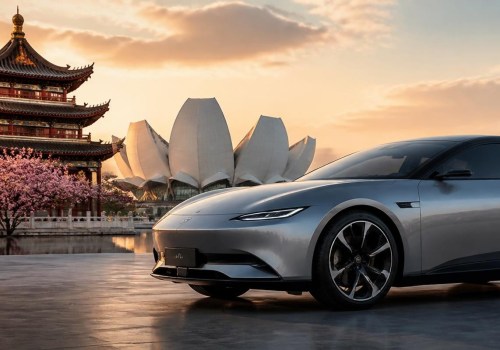
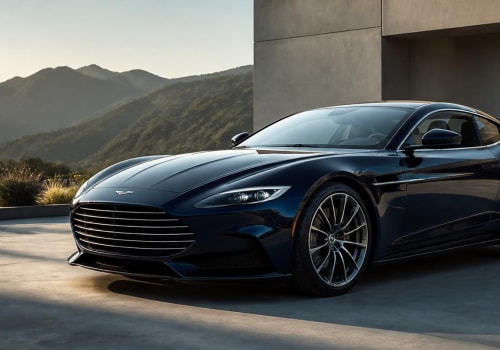
The world of car exterior styling has undergone a remarkable transformation in recent years, driven largely by rapid technological advancements. As consumers become increasingly discerning about aesthetics, functionality, and sustainability, automotive manufacturers are compelled to innovate not just under the hood but also in the design of their vehicles. The exterior of a car is often the first point of contact for potential buyers, making it a critical aspect of modern car design that reflects both brand identity and consumer preferences. In today’s competitive automotive landscape, the significance of car exterior styling extends beyond mere visual appeal. It encompasses aerodynamics, material selection, and even the integration of smart technologies.
For instance, advancements in materials science have led to the use of lightweight composites that enhance fuel efficiency while allowing for more dynamic shapes and forms. Additionally, the rise of electric vehicles has prompted designers to rethink traditional styling cues, leading to innovative designs that convey a sense of modernity and eco-friendliness. As we delve deeper into this topic, we will explore how these technological advancements are not only reshaping the aesthetics of car exteriors but also influencing consumer expectations and industry standards. From 3D printing techniques that allow for unprecedented customization to advanced software that simulates aerodynamic performance, technology is at the forefront of redefining what modern car design can achieve.
The Role of Aerodynamics in Modern Car Design
In the realm of car exterior styling, the influence of aerodynamics cannot be overstated. As automotive technology has advanced, so too has our understanding of how air interacts with vehicle surfaces.This knowledge has led to significant changes in the design of modern car exteriors, focusing on enhancing both performance and fuel efficiency.
Aerodynamic efficiency
is crucial for reducing drag, which directly impacts a vehicle's speed and fuel consumption. Manufacturers are now employing sophisticated computational fluid dynamics (CFD) simulations to analyze airflow around vehicles during the design phase. This technology allows designers to create shapes that minimize resistance, leading to sleeker profiles and smoother lines.One of the most notable trends in car exterior styling is the integration of features that enhance aerodynamics without compromising aesthetic appeal. For instance:- Sculpted Body Panels: Modern cars often feature contoured surfaces that guide airflow more efficiently.
- Active Aerodynamics: Some vehicles are equipped with adjustable spoilers and grille shutters that adapt to driving conditions, optimizing airflow dynamically.
- Wheel Design: Innovative wheel designs reduce turbulence and drag, contributing to overall aerodynamic performance.
A vehicle that appears streamlined and modern often attracts buyers who value both aesthetics and efficiency. As a result, manufacturers are increasingly prioritizing aerodynamic principles in their design philosophies.In conclusion, advancements in aerodynamics have profoundly shaped the landscape of modern car exterior design. By marrying form with function, automotive designers are not only enhancing vehicle performance but also creating visually appealing cars that resonate with today’s environmentally conscious consumers.
Materials Innovation: Lightweight and Durable Options
The evolution of car exterior materials has significantly transformed the way modern vehicles are designed, particularly in terms of lightweight car design and durability. As manufacturers strive to enhance fuel efficiency and performance, the adoption of advanced materials like carbon fiber and aluminum has become increasingly prevalent.Carbon Fiber: A Game Changer
- Lightweight: Carbon fiber is renowned for its exceptional strength-to-weight ratio.
This means that car manufacturers can reduce the overall weight of the vehicle without compromising structural integrity.
- Durability: In addition to being lightweight, carbon fiber is highly resistant to corrosion and fatigue, making it an ideal choice for car exteriors that need to withstand various environmental conditions.
- Aesthetic Appeal: The unique texture and finish of carbon fiber also contribute to a modern and sporty look, enhancing the overall car exterior styling.
Aluminum: The Versatile Alternative
- Cost-Effective: While carbon fiber is often more expensive, aluminum offers a more budget-friendly option without sacrificing too much in terms of weight or durability.
- Recyclability: Aluminum is highly recyclable, making it an environmentally friendly choice that aligns with the growing demand for sustainable automotive practices.
- Design Flexibility: The malleability of aluminum allows for intricate designs and shapes, enabling manufacturers to create visually striking car exteriors that appeal to consumers.
The Influence of Digital Design Tools on Car Aesthetics
The advent of digital design tools has significantly transformed the landscape of car exterior styling. Traditional methods of car design, which relied heavily on physical models and sketches, have been largely supplanted by advanced software that allows for greater precision and creativity. One of the most impactful innovations in this realm is the use of Computer-Aided Design (CAD), which enables designers to create intricate and complex shapes that were previously difficult to achieve.With CAD software, automotive designers can manipulate 3D models in real-time, allowing for immediate visual feedback on their designs.This capability not only enhances the aesthetic appeal of car exteriors but also improves aerodynamics and functionality. For instance, designers can experiment with various contours and surfaces to optimize airflow, which is crucial for performance and fuel efficiency.Moreover, the integration of 3D modeling tools has further revolutionized the design process. These tools allow for a more immersive experience, enabling designers to visualize how different elements interact within the overall design. The ability to create detailed textures and materials digitally means that designers can present their ideas more effectively to stakeholders, ensuring that the final product aligns closely with the initial vision.Additionally, digital design tools facilitate collaboration among teams.
Designers can share their work seamlessly across different departments, from engineering to marketing, ensuring that everyone is on the same page regarding the car exterior styling. This collaborative approach not only speeds up the design process but also fosters innovation as ideas can be rapidly tested and refined.In conclusion, the influence of digital design tools on car aesthetics cannot be overstated. As technology continues to evolve, we can expect even more groundbreaking advancements in how car exteriors are conceptualized and brought to life.
Sustainability Trends in Car Exterior Styling
As the automotive industry evolves, sustainability has emerged as a pivotal factor influencing car exterior styling. Manufacturers are increasingly recognizing the importance of eco-friendly practices, not only to meet regulatory standards but also to cater to a growing consumer demand for environmentally responsible vehicles.One of the most significant trends in sustainable car design is the use of recycled materials.Many automakers are now incorporating plastics derived from post-consumer waste into their vehicle exteriors. This not only reduces the reliance on virgin materials but also minimizes the overall carbon footprint associated with production. For instance, some brands have started using recycled ocean plastics in their bumpers and trim, showcasing a commitment to both sustainability and innovation.In addition to recycled materials, the adoption of eco-friendly manufacturing processes is reshaping how car exteriors are designed. Techniques such as water-based paints and low-emission production methods are becoming standard practice.
These processes not only reduce harmful emissions but also enhance the overall aesthetic appeal of vehicles by providing a more vibrant and durable finish.Furthermore, green automotive design trends are pushing boundaries in aerodynamics and efficiency. Streamlined shapes that reduce drag are not only visually appealing but also contribute to better fuel economy and lower emissions. This dual focus on aesthetics and functionality is leading to innovative designs that resonate with environmentally conscious consumers.As we look to the future, it is clear that sustainability will continue to play a crucial role in shaping car exterior styling. The integration of recycled materials, eco-friendly manufacturing processes, and innovative design principles will not only enhance the visual appeal of vehicles but also align with global efforts towards a more sustainable automotive industry.
Smart Technology Integration in Car Exteriors
In recent years, the integration of smart technology into car exteriors has revolutionized the way vehicles are designed and function.This shift not only enhances the aesthetic appeal of cars but also significantly improves their safety and usability. Modern car exterior styling now incorporates a variety of connected car features that rely on advanced sensors and cameras.One of the most notable advancements is the use of 360-degree cameras and parking sensors. These technologies allow drivers to have a comprehensive view of their surroundings, making parking and maneuvering in tight spaces much easier. The integration of these features into the exterior design often leads to sleeker lines and more aerodynamic shapes, as manufacturers strive to blend functionality with style.Additionally, adaptive lighting systems are becoming increasingly common in modern vehicles.
These systems adjust the intensity and direction of headlights based on driving conditions, enhancing visibility while also contributing to a vehicle's overall design. The incorporation of LED technology allows for more creative and dynamic lighting designs that can be tailored to reflect a brand's identity.
Benefits of Smart Technology in Car Exteriors:
- Enhanced Safety: Features like collision detection systems and lane-keeping assist rely on exterior sensors to provide real-time feedback to drivers.
- Improved User Experience: Smart mirrors with integrated displays can show navigation information or blind spot alerts, making driving more intuitive.
- Aesthetic Appeal: The seamless integration of technology allows for cleaner designs that do not compromise on style.
Consumer Preferences and Market Trends in Car Styling
In recent years, consumer preferences have significantly shaped the landscape of car exterior styling. As buyers become more discerning, their expectations for vehicle aesthetics, functionality, and sustainability have evolved.This shift is evident in the growing demand for vehicles that not only look good but also reflect personal values and lifestyles.One of the most notable car styling trends is the increasing popularity of electric vehicles (EVs). Consumers are drawn to the sleek, modern designs that often accompany EVs, which emphasize aerodynamics and efficiency. Manufacturers are responding by incorporating futuristic elements such as smooth lines, minimalistic features, and innovative lighting technologies. These design choices not only enhance visual appeal but also improve performance by reducing drag.Another trend influencing market trends in car exteriors is the rise of customization options.
Today's consumers seek vehicles that can be tailored to their individual tastes. This has led manufacturers to offer a wider array of colors, finishes, and accessories. For instance, matte finishes and bold color palettes are becoming increasingly popular, allowing buyers to express their personality through their vehicle's exterior.Furthermore, sustainability has emerged as a critical factor in consumer decision-making. Many buyers prefer brands that prioritize eco-friendly materials and production processes.
As a result, manufacturers are exploring sustainable alternatives for car exteriors, such as recycled plastics and bio-based composites. This not only meets consumer demand but also aligns with broader environmental goals.In summary, the interplay between consumer preferences and market trends is driving innovation in car exterior styling. As manufacturers adapt to these evolving demands, we can expect to see even more exciting developments in automotive design that reflect both aesthetic desires and ethical considerations.
Future Directions: What’s Next for Car Exterior Design?
As we look to the future, the design of car exteriors is poised for transformative changes driven by technological advancements. Several key trends are emerging that will shape the next generation of automotive styling.- Smart Materials: The integration of smart materials that can change color or texture based on environmental conditions or driver preferences is on the horizon.
Imagine a vehicle that can adapt its exterior appearance to enhance visibility in low light or reflect heat during hot weather.
- Aerodynamic Innovations: Future designs will likely focus on enhancing aerodynamics through advanced computational fluid dynamics (CFD) simulations. This will not only improve fuel efficiency but also contribute to a more aggressive and sleek aesthetic.
- 3D Printing: The rise of 3D printing technology allows for more complex shapes and structures that were previously impossible to manufacture. This could lead to unique, customizable car exteriors that cater to individual tastes while maintaining structural integrity.
- Augmented Reality (AR): AR technology may play a role in how consumers interact with car designs. Potential buyers could visualize different exterior styles and colors in real-time, enhancing the customization experience.
- Sustainability: As environmental concerns grow, the use of sustainable materials in car exteriors will become increasingly important.
Manufacturers are likely to explore biodegradable composites and recycled materials, which can also be designed to look modern and appealing.
Conclusion: The Interplay of Technology and Design in Automotive Exteriors
In conclusion, the interplay of technology and design has fundamentally transformed the landscape of car exterior styling. As we have explored, advancements in materials, manufacturing processes, and digital design tools have enabled automotive designers to push the boundaries of creativity while enhancing functionality.One of the most significant impacts of technology is the introduction of lightweight materials such as carbon fiber and advanced composites. These materials not only improve fuel efficiency but also allow for more intricate and aerodynamic shapes that were previously unattainable.The shift towards electric vehicles has further accelerated this trend, as manufacturers seek to optimize every aspect of their designs for performance and sustainability.Moreover, the integration of smart technologies into car exteriors has redefined user interaction. Features like adaptive lighting systems and dynamic grille designs not only enhance aesthetics but also improve safety and efficiency. The use of augmented reality in design processes allows for real-time adjustments and simulations, ensuring that the final product meets both aesthetic and functional requirements.As we look to the future, it is clear that the relationship between technology and car exterior styling will continue to evolve. Innovations such as 3D printing and AI-driven design tools promise to further revolutionize how vehicles are conceived and produced.
This ongoing evolution underscores the importance of embracing technological advancements in creating modern car exteriors that are not only visually appealing but also aligned with contemporary consumer demands for sustainability and performance.Ultimately, the fusion of technology and design in automotive exteriors is not just about aesthetics; it is about creating vehicles that resonate with a new generation of drivers who value innovation, efficiency, and style.