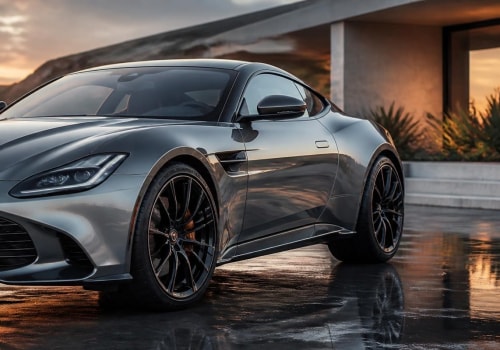
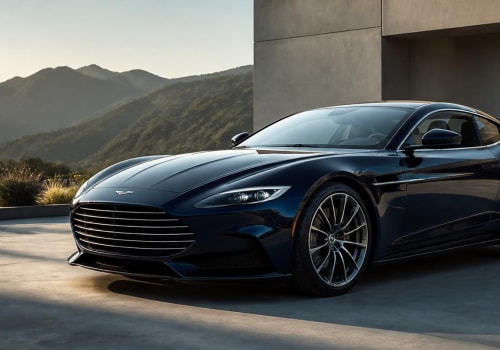
In the world of car exterior styling, color plays a pivotal role that goes beyond mere aesthetics. The choice of color not only reflects the personality of the vehicle but also influences consumer perception and market trends. As automotive design evolves, the significance of color combinations has become increasingly apparent, shaping how brands communicate their identity and appeal to potential buyers. Understanding the importance of color in cars is essential for both manufacturers and consumers. A well-chosen color can enhance a car's visual appeal, making it stand out on the road while also conveying a sense of luxury, sportiness, or practicality.
For instance, vibrant hues like red or electric blue often evoke feelings of excitement and energy, while more subdued tones like silver or black can suggest sophistication and elegance. This interplay between color and emotion is a crucial aspect of car design trends, as it directly impacts consumer choices. As we delve deeper into the realm of car exterior styling, it becomes clear that popular color combinations are not just random selections; they are carefully curated palettes that resonate with current trends and consumer preferences. From classic pairings to bold contrasts, these combinations reflect broader cultural movements and technological advancements in the automotive industry. By exploring these popular color schemes, we can gain insight into what drives car design today and how it continues to evolve in response to changing tastes.
The Psychology of Color in Car Design
The psychology of color plays a significant role in car exterior styling, influencing not only the aesthetic appeal of a vehicle but also the emotional responses of potential buyers.Different colors can evoke various feelings and perceptions, which can ultimately affect purchasing decisions.For instance, red is often associated with excitement and passion, making it a popular choice for sports cars. This vibrant hue can create a sense of urgency and energy, appealing to younger buyers looking for a thrilling driving experience. On the other hand, blue tends to evoke feelings of calmness and reliability, making it a favored option for family vehicles and sedans. Buyers may perceive blue cars as trustworthy and safe, which is crucial for those prioritizing family needs.Moreover, the impact of color extends beyond individual preferences; it can also influence market trends.
According to studies, certain colors can enhance a car's resale value. For example, neutral tones like black, white, and gray are often seen as timeless and versatile, appealing to a broader audience. These colors tend to maintain their popularity over time, making them safer choices for manufacturers aiming to attract diverse buyers.
Emotional responses
to car colors can also vary by demographic factors such as age and gender. Research indicates that women may prefer softer colors like pastel shades, while men might gravitate towards bolder options.
Understanding these nuances allows car designers to tailor their offerings more effectively.In conclusion, the interplay between color and consumer psychology is vital in car exterior styling. By recognizing how different hues resonate emotionally with buyers, manufacturers can create more appealing designs that not only attract attention but also foster deeper connections with potential customers.
Classic Color Combinations in Car Exterior Styling
When it comes to car exterior styling, certain color combinations have become synonymous with classic aesthetics. These timeless pairings not only enhance the vehicle's appeal but also evoke a sense of nostalgia and sophistication.Classic Car Colors
Among the most revered classic car colors are shades like deep navy blue, rich burgundy, and elegant cream. These hues have been favored for decades, often seen on vintage models that grace car shows and collectors' garages.Each color tells a story, reflecting the era in which it was popular.
Timeless Color Combinations
- Black and White: This combination is perhaps the most iconic in car exterior styling. The contrast between the two colors creates a striking visual impact, making vehicles stand out on the road. Black cars exude luxury and power, while white cars convey purity and simplicity.
- Red and Silver: A bold pairing that captures attention, red symbolizes passion and excitement, while silver adds a modern touch. This combination is often seen in sports cars, enhancing their dynamic presence.
- Blue and White: This classic duo evokes a sense of calm and reliability.
Blue tones can range from soft pastels to deep ocean shades, paired beautifully with crisp white accents.
Trendy Color Combinations for Modern Cars
In the realm of car exterior styling, color plays a pivotal role in defining a vehicle's personality and appeal. As consumer preferences evolve, certain trending car colors have emerged, reflecting modern aesthetics and lifestyle choices.One of the most popular combinations is the classic black and silver. This pairing exudes sophistication and elegance, making it a favorite among luxury car manufacturers.The sleekness of black combined with the shine of silver creates a striking visual contrast that appeals to many buyers.Another vibrant combination gaining traction is blue and orange. This duo is often seen in sporty models, where the energetic vibe of orange complements the calmness of blue. Together, they create a dynamic look that stands out on the road.
- White and Red: This combination is perfect for those looking to make a bold statement. The purity of white paired with the intensity of red captures attention effortlessly.
- Green and Black: A more adventurous choice, this pairing appeals to eco-conscious consumers who want their vehicles to reflect their values while still looking stylish.
- Purple and Gold: Often associated with luxury, this combination is becoming increasingly popular among high-end models, offering a unique twist on traditional color schemes.
Manufacturers are experimenting with finishes like matte and metallic, enhancing these color pairings to create even more eye-catching designs. The future of car exterior styling is undoubtedly vibrant, with endless possibilities for personalization and expression.
Seasonal Color Trends in Car Exterior Styling
As the seasons change, so do the preferences for car exterior styling. Each season brings its own unique palette, influencing both manufacturers and consumers in their color choices.Summer Car Colors
During the summer months, vibrant and lively colors tend to dominate the roads. Bright shades such as electric blue, sunny yellow, and fiery red are popular as they reflect the energy and warmth of the season.These colors not only stand out in the sunlight but also evoke feelings of joy and adventure, making them ideal for road trips and outdoor activities.
Winter Car Styling Trends
In contrast, winter car colors often lean towards more subdued and sophisticated tones.Deep blues
, charcoal grays, and rich burgundies are favored during this season. These colors not only complement the often gray and snowy landscapes but also provide a sense of elegance and warmth. Additionally, metallic finishes become increasingly popular in winter, as they add a touch of luxury while reflecting the holiday spirit.Transitional Seasons
Spring and fall serve as transitional periods where car color trends blend elements from both extremes.In spring, pastel shades like mint green and soft lavender emerge, symbolizing renewal and freshness. Meanwhile, fall introduces earthy tones such as burnt orange, mustard yellow, and forest green, mirroring the changing leaves and creating a warm aesthetic.The influence of seasonal color trends in car exterior styling is significant, as it reflects not only personal taste but also broader cultural shifts. As consumers become more aware of these trends, manufacturers are likely to adapt their offerings to meet these seasonal demands, ensuring that car colors remain as dynamic as the seasons themselves.
Regional Preferences in Car Color Choices
When it comes to car exterior styling, regional preferences play a significant role in determining the colors that dominate the market. Different geographical areas often exhibit unique tastes influenced by cultural, climatic, and economic factors.North America
tends to favor bold and vibrant colors.
Shades like red, black, and white are particularly popular among consumers who seek to make a statement with their vehicles. The preference for these colors can be attributed to a culture that values individuality and self-expression.In contrast, European countries often lean towards more subdued tones. Colors such as gray, silver, and navy blue dominate the streets, reflecting a more sophisticated aesthetic. This trend is influenced by the region's emphasis on elegance and minimalism in design.
Asian markets
, particularly in countries like Japan and South Korea, showcase a blend of both bold and subtle hues.
Bright colors like yellow and green are popular among younger consumers, while traditional shades remain favored by older generations. This duality highlights the cultural shift towards modernity while respecting heritage.The impact of climate cannot be overlooked either. In warmer regions, lighter colors are preferred as they reflect sunlight and keep vehicles cooler. Conversely, in colder climates, darker shades are more common as they tend to hide dirt and wear better over time.
Cultural influences
also shape color choices significantly.
For instance, in some cultures, certain colors may symbolize luck or prosperity, leading to higher demand for those shades in car purchases. Understanding these regional preferences is crucial for manufacturers aiming to cater to diverse markets effectively.As global car styling trends continue to evolve, manufacturers must remain attuned to these regional nuances in color preferences. By doing so, they can create vehicles that resonate with consumers on a deeper level, ultimately enhancing their appeal in various markets.
The Role of Technology in Car Color Customization
In recent years, the world of car exterior styling has been revolutionized by advancements in car color customization technology. These innovations not only enhance the aesthetic appeal of vehicles but also allow for a level of personalization that was previously unimaginable.One of the most significant developments in this field is the use of digital painting for cars.This technology enables manufacturers and custom shops to create intricate designs and unique color combinations with precision. By utilizing software that simulates how colors interact with light and texture, designers can visualize their concepts before applying them to the vehicle. This process minimizes errors and ensures that the final product meets the customer's expectations.Moreover, the introduction of innovative car finishes, such as matte, satin, and pearlescent coatings, has expanded the palette available to car enthusiasts. These finishes not only change the way colors appear but also add depth and character to the vehicle's exterior.
For instance, a matte finish can give a car a stealthy look, while a pearlescent finish can create a dynamic effect that shifts colors depending on the angle of light.Additionally, advancements in wrap technology have made it easier than ever for car owners to experiment with different colors and patterns without committing to a permanent change. Vinyl wraps come in an array of colors and textures, allowing for quick transformations that can be reversed if desired. This flexibility appeals particularly to younger, tech-savvy consumers who value individuality.As technology continues to evolve, we can expect even more exciting developments in car exterior styling. From augmented reality applications that allow customers to visualize their customizations in real-time to advanced paint formulations that change color based on temperature or lighting conditions, the future of car color customization is bright and full of possibilities.
FAQs About Car Exterior Styling Colors
When it comes to car exterior styling, color plays a crucial role in both aesthetics and resale value.Here are some frequently asked questions regarding car colors:
What are the most popular car colors?
The most popular car colors tend to be neutral shades that appeal to a wide audience. According to industry reports, the following colors consistently rank high:- White - Known for its clean and modern look, white is often associated with luxury and elegance.
- Black - A classic choice that conveys sophistication and power.
- Gray - This versatile color offers a balance between boldness and subtlety.
- Silver - Often chosen for its futuristic appeal and ability to hide dirt.
- Red - A vibrant option that stands out, often linked with sportiness.
What colors have the best resale value?
When considering car exterior styling, it's essential to think about resale value. Colors that tend to retain their value include:- White - Its popularity ensures a broader market when reselling.
- Black - Timeless and always in demand, black cars often sell quickly.
- Silver - This color is favored for its sleek appearance and practicality.
How do I choose the right color for my car?
Selecting the right color involves considering personal preference, lifestyle, and practical factors:- Personal Style: Choose a color that reflects your personality.
- Maintenance: Lighter colors may show dirt less than darker shades.
- Climate: In hotter climates, lighter colors can help keep the car cooler.
Conclusion: The Future of Car Exterior Styling Colors
As we look towards the future of car exterior styling, it is clear that color combinations will continue to play a pivotal role in defining automotive aesthetics. The trends we have observed in recent years suggest a shift towards more personalized and expressive color palettes, reflecting the individuality of car owners.One significant trend is the increasing popularity of matte finishes combined with vibrant accent colors.This combination not only enhances the visual appeal but also adds a layer of sophistication to the vehicle's overall design. For instance, a matte black exterior paired with glossy red accents can create a striking contrast that captures attention on the road.Moreover, the rise of eco-conscious consumers is influencing color choices as well. Many manufacturers are now exploring earthy tones and natural hues, such as greens and browns, which resonate with sustainability themes. These colors not only reflect a commitment to environmental responsibility but also offer a unique aesthetic that stands out in a sea of traditional shades.In addition to these trends, advancements in technology are paving the way for innovative color applications.
The introduction of color-changing paints and smart coatings allows for dynamic color shifts based on lighting conditions or user preferences. This technology could revolutionize how we perceive car colors, making personalization more accessible than ever.As we move forward, it is essential for manufacturers to stay attuned to consumer preferences and emerging trends in car exterior styling. By embracing bold combinations and innovative technologies, they can create vehicles that not only meet functional needs but also resonate emotionally with drivers.In conclusion, the future of car exterior styling colors is bright and full of possibilities. With an emphasis on personalization, sustainability, and technological innovation, we can expect to see an exciting array of color combinations that will redefine automotive design in the years to come.