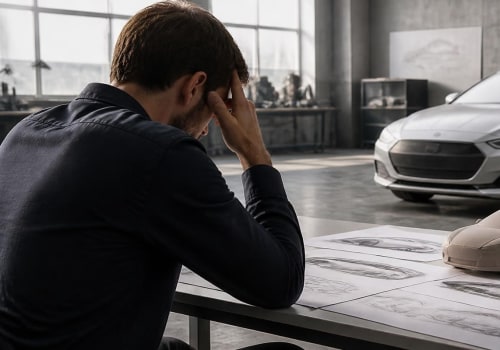
When it comes to the world of automobiles, car exterior styling plays a pivotal role that extends far beyond mere aesthetics. The design of a vehicle's exterior is not just about how it looks; it significantly influences the overall driving experience. From the sleek lines of a sports car to the rugged contours of an SUV, each element of exterior design contributes to the vehicle's performance, aerodynamics, and even safety features. Understanding this relationship is essential for both manufacturers and consumers alike. The importance of car design cannot be overstated.
A well-styled exterior can evoke emotions, create brand identity, and attract potential buyers. It serves as the first impression for anyone encountering the vehicle, setting the tone for what lies beneath the surface. Moreover, effective exterior styling can enhance functionality; for instance, a streamlined shape can improve fuel efficiency by reducing drag, while strategically placed features can optimize visibility and safety. As we delve deeper into the nuances of car exterior styling, we will explore how these design elements not only appeal to our senses but also enhance our connection with the vehicle. Whether you are a car enthusiast or a casual driver, recognizing the impact of exterior design on your driving experience can transform how you perceive and interact with your vehicle.
The Aesthetic Appeal of Car Exteriors
The aesthetic appeal of car exteriors plays a crucial role in shaping the overall driving experience.When we think about car exterior styling, it’s not just about the sleek lines or the vibrant colors; it’s about how these elements resonate with drivers and passengers alike. A well-designed car exterior can evoke emotions, create a sense of pride, and even influence purchasing decisions.One of the most significant aspects of visual impact is how it affects perceptions. For instance, a car with a bold, aggressive design may instill feelings of power and confidence in its driver, while a more elegant and streamlined vehicle might convey sophistication and luxury. This emotional connection is vital, as it enhances the overall driving experience by making individuals feel more connected to their vehicle.Moreover, car styling trends evolve over time, reflecting societal values and technological advancements.
For example, the rise of eco-friendly materials and aerodynamic shapes in car design not only appeals to environmentally conscious consumers but also signifies a shift towards sustainability in the automotive industry. As manufacturers adopt these trends, they create vehicles that not only look good but also align with the values of modern drivers.
- Emotional Connection: Aesthetic designs foster a deeper bond between the driver and their vehicle.
- Brand Loyalty: Unique styling can enhance brand identity, encouraging repeat purchases.
- Market Trends: Staying ahead in design trends can attract new customers and retain existing ones.
Aerodynamics and Performance
The exterior styling of a car plays a crucial role in its aerodynamics, which directly influences performance metrics such as speed, handling, and fuel efficiency. A well-designed aerodynamic car can significantly reduce drag, allowing it to cut through the air more efficiently.This is particularly important at higher speeds, where air resistance becomes a major factor.Modern car manufacturers invest heavily in aerodynamic car design to enhance performance. Features such as sleek lines, sculpted surfaces, and strategically placed spoilers are not just for aesthetic appeal; they serve to optimize airflow around the vehicle. For instance:
- Sleek Rooflines: A lower roofline can help reduce turbulence, allowing air to flow smoothly over the car.
- Front Grilles: Grilles designed to minimize air intake can decrease drag while maintaining engine cooling.
- Rear Spoilers: These elements can create downforce, improving traction and stability at high speeds.
Cars that experience less drag require less energy to maintain speed, which translates into lower fuel consumption. This is particularly beneficial for drivers looking to save on fuel costs while also reducing their carbon footprint.In summary, the relationship between car exterior styling and performance is undeniable. By focusing on aerodynamic principles in their designs, manufacturers not only enhance the driving experience but also contribute to more sustainable driving practices. As technology advances, we can expect even more innovative solutions that blend style with functionality in the realm of automotive design.
Safety Features Integrated into Exterior Design
In the realm of car exterior styling, safety features play a pivotal role in enhancing the overall driving experience.Modern vehicles are meticulously designed with safety in mind, integrating various elements that not only improve aesthetics but also bolster protection for occupants and pedestrians alike.One of the most significant advancements in exterior design safety is the incorporation of crumple zones. These areas are strategically engineered to absorb and dissipate energy during a collision, minimizing the impact on passengers. By allowing the vehicle's structure to deform in a controlled manner, crumple zones significantly reduce the risk of injury in the event of an accident.Additionally, visibility enhancements are crucial components of modern car exteriors. Features such as larger windshields, improved headlight designs, and strategically placed side mirrors contribute to better visibility for drivers.
This not only aids in avoiding potential hazards but also enhances overall road safety. For instance, LED headlights provide brighter illumination and longer reach, allowing drivers to see further ahead and react more swiftly to obstacles.
- Crumple Zones: Designed to absorb impact energy.
- Visibility Enhancements: Larger windshields and advanced lighting systems.
- Pedestrian Safety: Features like active hoods that lift upon impact.
By prioritizing safety through innovative styling, manufacturers enhance the driving experience while ensuring that both drivers and passengers remain protected on the road.
Cultural Influences on Car Exterior Styling
The cultural influences on car exterior styling are profound, shaping not only the aesthetics of vehicles but also consumer preferences and driving experiences across different regions. Each culture brings its own values, traditions, and expectations to the design process, resulting in a diverse array of styles that reflect local identities.Regional styling differences
are evident when comparing vehicles from various parts of the world. For instance, in Europe, there is a strong emphasis on compactness and efficiency, leading to sleek designs that prioritize aerodynamics. In contrast, American car designs often favor larger, more robust exteriors that convey power and presence.This divergence is not merely aesthetic; it influences how drivers perceive their vehicles and their overall driving experience.Moreover, global trends in car exteriors are increasingly influenced by cultural exchanges and technological advancements. The rise of electric vehicles has prompted a shift towards minimalist designs that emphasize sustainability. This trend is particularly pronounced in markets like Scandinavia, where environmental consciousness shapes consumer choices. As a result, car manufacturers are adapting their exterior styling to align with these global movements while still catering to regional tastes.
- Japanese design: Often characterized by unique shapes and vibrant colors, reflecting a blend of tradition and modernity.
- Italian flair: Known for its emphasis on elegance and sportiness, Italian cars often feature curves and artistic elements that appeal to aesthetic sensibilities.
- German precision: German vehicles typically showcase a focus on functionality and engineering excellence, with clean lines and understated elegance.
Understanding these cultural nuances allows manufacturers to create designs that not only attract buyers but also foster a deeper emotional connection with their vehicles.
Technological Innovations in Car Exteriors
In recent years, technological innovations in car exteriors have significantly transformed the driving experience, enhancing both functionality and aesthetics. These advancements not only improve the vehicle's performance but also contribute to a more enjoyable and safer ride.One of the most notable trends is the integration of smart car features. Modern vehicles are now equipped with sensors and cameras that provide real-time data about the surroundings. For instance, adaptive headlights can adjust their direction based on steering input, illuminating curves in the road ahead.Additionally, 360-degree cameras assist drivers in parking and navigating tight spaces, reducing the risk of accidents.Moreover, the use of innovative materials in car design has revolutionized exterior styling. Lightweight composites and high-strength steel not only enhance durability but also improve fuel efficiency by reducing overall vehicle weight. For example, carbon fiber is increasingly being used in premium models for its strength-to-weight ratio, allowing for sleeker designs without compromising safety.
- Self-healing paint: Some manufacturers are now using self-healing paint technology that can repair minor scratches and scuffs automatically, maintaining the car's aesthetic appeal over time.
- Aerodynamic enhancements: Advanced aerodynamic designs reduce drag, improving fuel efficiency and stability at high speeds. Features like active grille shutters open and close based on engine temperature, optimizing airflow.
- LED lighting: The shift to LED technology not only enhances visibility but also allows for creative design elements that can be customized to reflect personal style.
As manufacturers continue to innovate, we can expect even more exciting developments that will further enhance our driving experiences.
The Role of Customization in Enhancing Driving Experience
Customization plays a pivotal role in enhancing the overall driving experience by allowing drivers to tailor their vehicles to their unique preferences.Car customization options
range from aesthetic modifications to performance enhancements, each contributing to a more personalized driving journey.One of the most popular forms of customization is personalized car design. This can include everything from custom paint jobs and decals to unique wheel designs and body kits. These modifications not only make a vehicle stand out on the road but also reflect the owner's personality and style.For instance, a sleek matte finish or vibrant color can transform a standard model into a head-turning masterpiece.In addition to aesthetics, aftermarket modifications can significantly impact performance and comfort. Upgrading components such as suspension systems, exhaust systems, and engine tuning can enhance handling, power, and overall driving dynamics. Drivers who invest in these modifications often report a more engaging and enjoyable driving experience, as their vehicles respond more precisely to their inputs.
- Aesthetic Customization: Paint jobs, decals, and body kits.
- Performance Enhancements: Suspension upgrades, exhaust systems, and engine tuning.
- Interior Modifications: Custom upholstery, steering wheels, and infotainment systems.
This connection often leads to increased pride in ownership and a more enjoyable driving experience. Ultimately, the ability to customize a car allows individuals to create a vehicle that not only meets their functional needs but also resonates with their personal identity.
FAQs About Car Exterior Styling and Driving Experience
When it comes to car exterior styling, many drivers have questions about how these design elements impact their overall driving experience. Here are some frequently asked questions that can help clarify this relationship:How does car exterior styling affect aerodynamics?
The shape and design of a car's exterior play a crucial role in its aerodynamics. A well-styled car can reduce drag, which not only improves fuel efficiency but also enhances stability at higher speeds.Features like smooth lines, spoilers, and air intakes are designed to optimize airflow around the vehicle.
Can the color of a car influence my driving experience?
Yes, the color of a car can have psychological effects on both the driver and other road users. Bright colors like red or yellow can make a vehicle more visible, potentially increasing safety. Additionally, personal preference for certain colors can enhance the emotional connection a driver feels with their vehicle, contributing to a more enjoyable driving experience.What role does car exterior styling play in safety?
Car exterior styling is not just about aesthetics; it also incorporates safety features. For instance, crumple zones are designed into the exterior to absorb impact during collisions, while high-mounted brake lights and reflective surfaces improve visibility for other drivers.These elements contribute to a sense of security while driving.
How do headlights and taillights impact driving?
The design of headlights and taillights is integral to both functionality and style. Modern LED lights not only provide better illumination but also enhance the vehicle's overall look. Properly designed lighting improves visibility during night driving and adverse weather conditions, significantly affecting the driving experience.Are there trends in car exterior styling that enhance driving comfort?
- Sleek designs: Many manufacturers are moving towards more streamlined shapes that reduce wind noise and improve comfort.
- Customizable features: Options like retractable mirrors or adjustable spoilers allow drivers to tailor their vehicles for optimal performance.
- Integrated technology: Features such as 360-degree cameras and parking sensors are often seamlessly integrated into the exterior design, enhancing convenience and safety.
Conclusion: The Integral Role of Car Exteriors in Driving Enjoyment
In conclusion, the car exterior styling plays a pivotal role in shaping the overall driving experience. From the moment a driver approaches their vehicle, the exterior design influences not only aesthetic appeal but also functionality and performance. Throughout this article, we explored several key aspects of how car exteriors contribute to driving enjoyment:- Aesthetic Appeal: A well-designed exterior can evoke emotions and create a sense of pride in ownership.
The visual impact of a car can enhance the driving experience by making it more enjoyable and fulfilling.
- Aerodynamics: The shape and contours of a car's exterior significantly affect its aerodynamics. A streamlined design can improve fuel efficiency and handling, leading to a more responsive and engaging drive.
- Safety Features: Modern car exteriors are often equipped with advanced safety features that not only protect occupants but also enhance confidence while driving. Features like crumple zones and reinforced structures are integral to a vehicle's design.
- Personalization: Car exterior styling allows for personalization, enabling drivers to express their individuality. Custom paint jobs, body kits, and accessories can transform a standard vehicle into a unique statement piece.
As automotive technology continues to evolve, the importance of thoughtful exterior design will only grow, further enhancing the connection between driver and vehicle.