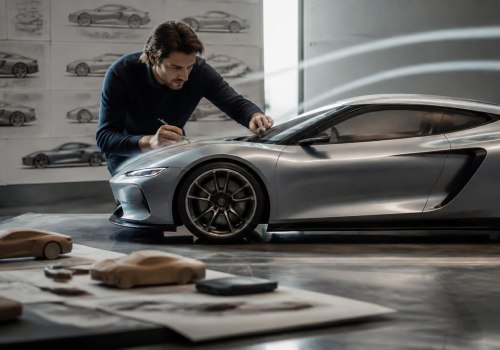
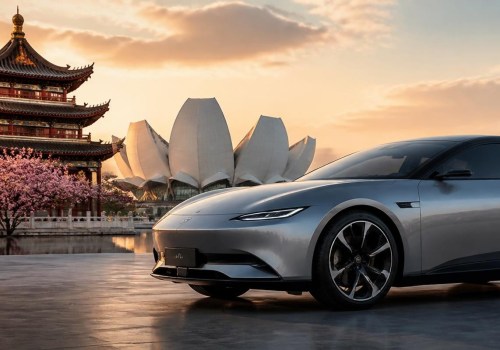
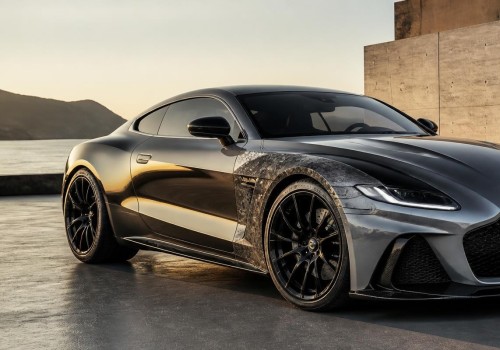
When it comes to car exterior styling, the influence of climate cannot be overstated. Different environmental conditions demand unique design considerations that not only enhance the vehicle's aesthetic appeal but also ensure its functionality and durability. For instance, vehicles designed for arid climates may prioritize materials that resist fading and cracking under intense sunlight, while those intended for colder regions might incorporate features that prevent ice buildup and enhance visibility during snowstorms.Moreover, the geographical location of a vehicle's primary use can dictate specific climate-specific car features. In areas prone to heavy rainfall, manufacturers might focus on streamlined designs that facilitate water drainage and reduce hydroplaning risks.
Conversely, in regions with high temperatures, ventilation systems and heat-reflective coatings become essential elements of the car exterior styling, ensuring that the interior remains comfortable and safe for passengers.Understanding these climate effects on car design is crucial for automakers aiming to meet consumer needs effectively. As climate change continues to alter weather patterns globally, the demand for vehicles that can adapt to diverse conditions is more pressing than ever. This section will delve deeper into how various climates shape the design choices made by automotive engineers and designers, ultimately influencing the overall driving experience.
Materials Selection for Different Climates
When it comes to car exterior styling, the choice of materials is crucial, especially when considering the varying demands of different climates. The materials used not only affect the vehicle's aesthetic appeal but also its durability and performance under specific environmental conditions.1.Hot Climates
- Aluminum: Lightweight and resistant to corrosion, aluminum is an excellent choice for hot climates.
It helps in reducing the overall weight of the vehicle, which can improve fuel efficiency.
- Polycarbonate: This material is often used for windows and light covers. It offers high impact resistance and can withstand extreme temperatures without warping.
- UV-Resistant Paints: In areas with intense sunlight, using UV-resistant paints can prevent fading and maintain the car's vibrant appearance over time.
2.Cold Climates
- High-Strength Steel: Known for its durability, high-strength steel can withstand the rigors of cold weather, including road salt and ice, which can cause corrosion in lesser materials.
- Composite Materials: These materials are often used in car exteriors for their ability to resist cracking in low temperatures while providing a sleek look.
- Thermal Insulation: Incorporating thermal insulation in the car's exterior design can help maintain internal temperatures, making it more comfortable during harsh winters.
3.All-Weather Considerations
- Fiberglass: This material is versatile and can be molded into various shapes, making it suitable for unique designs while offering resistance to both heat and cold.
- Paint Sealants: Applying a high-quality sealant can protect the car's exterior from moisture, UV rays, and temperature fluctuations, ensuring longevity regardless of climate.
Aerodynamics and Climate Considerations
When designing a car's exterior, aerodynamics plays a crucial role, particularly as it relates to different climates. The interaction between a vehicle's shape and the surrounding environment can significantly impact performance, fuel efficiency, and overall driving experience.Climate
can affect aerodynamic performance in various ways.For instance, in regions with high winds, such as coastal areas or open plains, a car's design must minimize wind resistance. This can be achieved through features like a sloped roofline and streamlined body contours that allow air to flow smoothly over the vehicle. In contrast, cars designed for urban environments may prioritize compactness and maneuverability over extreme aerodynamic efficiency.
Impact of Temperature on Aerodynamics
Temperature variations also influence aerodynamic performance. In colder climates, the denser air can create more drag on the vehicle.Therefore, designers might consider incorporating elements that reduce this drag, such as active grille shutters that close at higher speeds to improve airflow. Conversely, in hotter climates, maintaining engine cooling becomes essential; thus, designs may include larger air intakes.
Fuel Efficiency and Aerodynamic Design
Aerodynamic design is not just about aesthetics; it directly correlates with fuel efficiency. A well-designed exterior can lead to lower fuel consumption by reducing drag. For example:- Spoilers can help manage airflow at high speeds, improving stability and reducing lift.
- Underbody panels smooth out airflow beneath the car, further decreasing drag.
- Wheel fairings can minimize turbulence around the tires, enhancing overall aerodynamic efficiency.
By understanding these factors, designers can create vehicles that not only look good but also perform optimally across various environmental conditions.
Color Choices and Their Climate Implications
When it comes to car exterior styling, the choice of color plays a crucial role, particularly in relation to climate. Different colors can significantly affect a vehicle's temperature, visibility, and even its overall aesthetic appeal.Color Choices for Hot Climates
In regions with high temperatures, lighter colors such as white, silver, and light blue are often recommended. These colors reflect sunlight rather than absorb it, helping to keep the car's interior cooler. For instance, a white car can be up to 20 degrees cooler than a black one parked in direct sunlight.Additionally, lighter colors tend to show less dirt and dust, which is beneficial in arid environments.
Color Choices for Cold Climates
Conversely, in colder climates, darker colors like black, navy blue, and dark green can be advantageous. These hues absorb more heat from sunlight, which can help warm the vehicle's interior during chilly days. However, it's essential to consider that darker colors may show snow and salt residue more prominently, requiring more frequent cleaning.Visibility Considerations
Beyond temperature regulation, visibility is another critical factor influenced by color choice. Bright colors such as yellow, orange, and red enhance visibility on the road, making them safer options in both urban and rural settings.In foggy or snowy conditions, these vibrant shades stand out better than muted tones.Ultimately, when selecting a color for a car's exterior, it's essential to balance aesthetic preferences with practical considerations related to climate. By understanding how different colors interact with environmental factors, car owners can make informed decisions that enhance both comfort and safety.
Protective Features Against Environmental Elements
When designing a car's exterior, protective features are essential to ensure longevity and performance in various climates. Different environmental elements pose unique challenges, and integrating specific design elements can significantly enhance a vehicle's resilience.- UV Protection: In regions with high sun exposure, UV rays can cause paint fading and damage to plastic components. Utilizing UV-resistant coatings and materials can help maintain the car's aesthetic appeal and structural integrity over time.
- Corrosion Resistance: Areas prone to heavy rainfall or snow require materials that resist corrosion.
Incorporating galvanized steel or aluminum alloys in the car's body can prevent rust formation, ensuring durability against moisture.
- Weather-Sealed Components: To protect against rain and snow, designing weather-sealed doors, windows, and trunk spaces is crucial. This prevents water ingress, which can lead to mold growth and electrical issues.
- Impact-Resistant Materials: In regions with extreme weather conditions, such as hail or heavy winds, using impact-resistant plastics for bumpers and panels can minimize damage during adverse weather events.
- Aerodynamic Design: A well-designed aerodynamic shape not only enhances fuel efficiency but also helps in reducing the accumulation of snow and ice on the vehicle. This is particularly important for cars used in snowy climates.
Cultural Influences on Car Exterior Design Across Climates
When it comes to car exterior styling, cultural influences play a significant role in shaping design preferences across different climates.Each region has its unique aesthetic values, which are often intertwined with local traditions, lifestyles, and environmental conditions.
Regional Styling Preferences
In warmer climates, such as those found in Mediterranean countries, car designs often feature vibrant colors and sleek lines that reflect the lively culture and sunny environment. These vehicles may prioritize open-air features, like convertible roofs, to enhance the driving experience in pleasant weather. In contrast, regions with colder climates, such as Scandinavia, tend to favor more robust designs that emphasize durability and functionality. Here, cars are often equipped with features like heated elements and rugged exteriors to withstand harsh weather conditions.Climate and Culture in Automotive Design
The interplay between climate and culture is evident in how consumers perceive vehicle aesthetics.For instance, in urban areas where space is limited, compact cars with efficient designs are preferred. In contrast, rural regions may lean towards larger vehicles that can handle diverse terrains. Additionally, cultural events and festivals can influence car designs; for example, vehicles designed for the Japanese market often incorporate elements that resonate with local festivals and traditions.
- Color Choices: Cultural significance often dictates color preferences. In some cultures, certain colors symbolize prosperity or luck, influencing the exterior color options available.
- Design Elements: Specific motifs or patterns may be integrated into car designs to reflect local heritage or artistic styles.
- Functionality vs.
Aesthetics:
In regions where practicality is paramount due to climate challenges, functionality may take precedence over aesthetic appeal.
Technological Innovations in Car Exterior Design for Climate Adaptation
As climate change continues to impact weather patterns globally, the automotive industry is responding with technological innovations that enhance car exterior styling for better adaptation to varying climatic conditions. These advancements not only improve vehicle performance but also contribute to sustainability and user comfort.Adaptive Car Designs
- Active Aerodynamics: Many modern vehicles are now equipped with active aerodynamic features that adjust the car's exterior shape based on speed and environmental conditions. This technology helps optimize fuel efficiency and stability, particularly in windy or adverse weather.
- Thermal Regulation Systems: Innovative thermal management systems are being integrated into car exteriors.
These systems utilize materials that can reflect or absorb heat, ensuring that the vehicle remains comfortable in extreme temperatures. For instance, reflective coatings can minimize heat absorption in sunny climates.
Smart Materials for Cars
- Self-Healing Paints: One of the most exciting developments in car exterior styling is the introduction of self-healing paints. These advanced coatings can repair minor scratches and dents caused by environmental factors, such as hail or road debris, maintaining the vehicle's aesthetic appeal over time.
- Hydrophobic Surfaces: Hydrophobic materials are being used to create exteriors that repel water and dirt. This not only enhances the vehicle's appearance but also reduces maintenance needs, making it ideal for regions with heavy rainfall or snow.
As these technologies evolve, they will play a significant role in shaping the future of automotive design, ensuring that vehicles are not only stylish but also resilient against the elements.
FAQs About Car Exterior Styling for Different Climates
When it comes to car exterior styling, understanding the impact of climate is crucial for both aesthetics and functionality. Here are some frequently asked questions that can help clarify common concerns:- How does climate affect car paint? Extreme temperatures can cause paint to fade or chip. In hot climates, UV rays can deteriorate the clear coat, while cold climates may lead to cracking. Choosing high-quality, UV-resistant paint can mitigate these issues.
- What materials are best for different climates? For humid areas, materials like stainless steel and aluminum are preferable as they resist rust.
In dry, arid climates, plastics and composites can be beneficial due to their lightweight nature and resistance to heat.
- Are there specific design features that help in snowy conditions? Yes! Features such as higher ground clearance and wider wheel wells can prevent snow buildup. Additionally, using darker colors can help absorb heat from the sun, aiding in snow melt.
- How can I enhance aerodynamics for hot climates? Smooth lines and a lower profile can improve airflow, reducing engine strain and enhancing fuel efficiency. Consider incorporating active grille shutters that open and close based on temperature needs.
- What styling tips should I consider for rainy environments? In regions with heavy rainfall, ensure that the car's exterior has effective drainage systems and consider using water-repellent coatings. Additionally, rounded edges can help water run off more efficiently.
Understanding the relationship between car exterior styling and climate is essential for optimizing both aesthetics and functionality.
Conclusion: Key Takeaways on Designing Car Exteriors for Various Climates
In conclusion, designing a car's exterior for different climates is a multifaceted process that requires careful consideration of various factors. The climate in which a vehicle will primarily operate can significantly influence its exterior styling, impacting not only aesthetics but also functionality and durability.- Material Selection: Choosing the right materials is crucial. For instance, vehicles in humid climates may benefit from rust-resistant coatings, while those in sunny regions should utilize UV-resistant paints to prevent fading.
- Aerodynamics: The design should also consider how wind and rain affect performance. Cars designed for winter conditions might feature more aerodynamic shapes to reduce snow accumulation, while those in hot climates may prioritize airflow to keep engines cool.
- Color Choices: Color plays a significant role in temperature regulation.
Lighter colors are often preferred in warm climates to reflect sunlight, whereas darker shades may be more suitable for colder regions, absorbing heat.
- Functional Features: Incorporating features like larger wheel wells for snow clearance or enhanced drainage systems for heavy rainfall can enhance the vehicle's performance in specific climates.