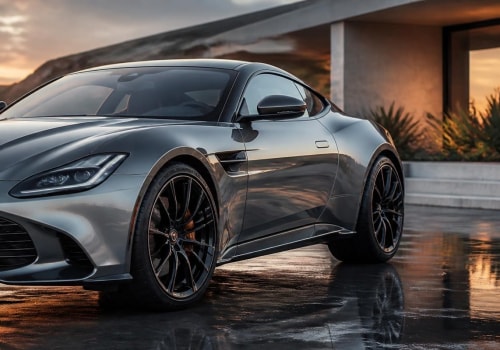
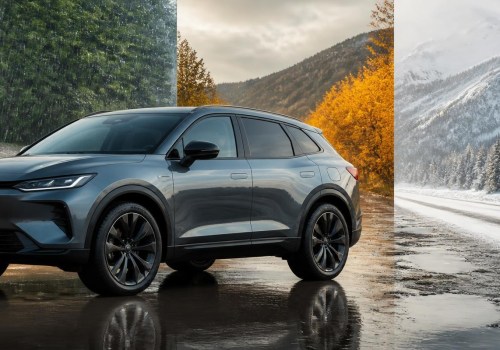
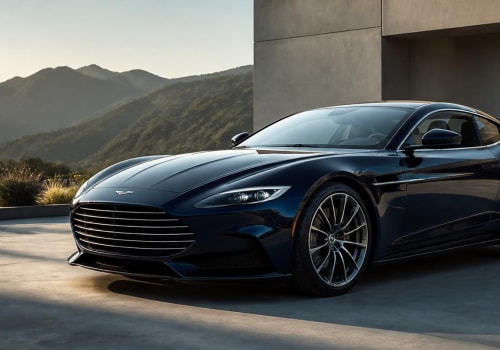
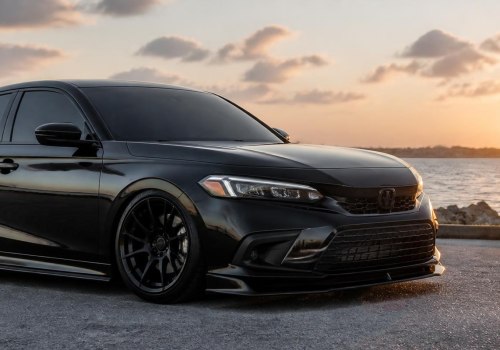
In the ever-evolving world of the automotive industry, car exterior styling plays a pivotal role in defining a vehicle's identity and appeal. As consumers become increasingly discerning about aesthetics, manufacturers are compelled to innovate and adapt their designs to meet these expectations. The exterior of a car is not just about looks; it encapsulates the brand's ethos, technological advancements, and even environmental considerations. With the rise of electric vehicles and sustainable materials, the landscape of trends in car design is shifting dramatically. As we look toward the future, several key trends are emerging that will shape the aesthetics of vehicles.
From sleek aerodynamic shapes that enhance fuel efficiency to bold color palettes that reflect personal expression, the next generation of car designs promises to be as diverse as the drivers themselves. Additionally, advancements in technology are allowing for more intricate designs, such as customizable LED lighting and dynamic surfaces that change appearance based on driving conditions or user preferences. The significance of future car aesthetics cannot be overstated. A well-styled vehicle not only attracts attention but also influences consumer purchasing decisions. As we delve deeper into this article, we will explore these upcoming trends in detail, examining how they reflect broader societal shifts and technological innovations.
Join us on this journey through the fascinating world of car exterior styling, where form meets function in exciting new ways.
Sustainable Materials in Car Design
As the automotive industry evolves, sustainable materials are becoming a cornerstone of car exterior styling. Manufacturers are increasingly recognizing the importance of eco-friendly options, not only for compliance with regulations but also to meet consumer demand for greener products. This shift is reshaping the aesthetics and functionality of vehicle exteriors.One of the most notable trends is the use of recycled materials in car design. For instance, some manufacturers are incorporating recycled plastics and metals into their body panels, which not only reduces waste but also lowers the carbon footprint associated with production.This innovative approach allows for unique textures and finishes that can enhance the overall look of the vehicle.Additionally, natural materials such as bamboo and hemp are gaining traction in eco-friendly car design. These materials offer a lightweight alternative to traditional components while providing a distinctive visual appeal. The use of such organic materials can create a more inviting and warm aesthetic, appealing to environmentally conscious consumers.Another exciting development is the integration of bio-based composites. These materials, derived from renewable resources, are being used to create durable and lightweight exterior components.
They not only contribute to sustainability but also allow for innovative design possibilities that were previously unattainable with conventional materials.Furthermore, advancements in technology are enabling manufacturers to develop coatings and finishes that are both sustainable and visually striking. For example, water-based paints and finishes reduce harmful emissions during production while offering vibrant color options that enhance the vehicle's exterior.In conclusion, the trend towards sustainable car materials is not just a passing phase; it represents a fundamental shift in how vehicles are designed and manufactured. As consumers become more environmentally aware, the demand for green automotive trends will continue to influence car exterior styling, leading to innovative designs that prioritize both aesthetics and sustainability.
Aerodynamic Shapes and Efficiency
In the realm of car exterior styling, the focus on aerodynamic shapes has become increasingly significant. As manufacturers strive for greater efficiency and performance, the design of vehicles is evolving to embrace forms that minimize air resistance.This shift not only enhances fuel economy but also improves overall driving dynamics.
Aerodynamic car design
is characterized by smooth lines and contours that allow air to flow seamlessly over the vehicle's surface. This design philosophy is rooted in the understanding that reducing drag can lead to substantial gains in efficiency. For instance, cars with a lower drag coefficient can achieve higher speeds with less energy, making them more environmentally friendly and cost-effective for consumers.- Sleek Profiles: Modern vehicles are increasingly adopting sleek profiles that taper towards the rear, reducing turbulence and drag.
- Active Aerodynamics: Some manufacturers are integrating active aerodynamic features, such as adjustable spoilers and grille shutters, which adapt to driving conditions to optimize airflow.
- Material Innovations: The use of lightweight materials not only contributes to better aerodynamics but also enhances overall vehicle performance.
The integration of technology in design processes will allow for simulations that predict airflow patterns, enabling designers to create vehicles that are not only visually appealing but also functionally superior.In conclusion, as we look ahead, the trend towards aerodynamic shapes in car exterior styling is set to redefine how vehicles are designed. By prioritizing efficiency through innovative shapes and materials, manufacturers are paving the way for a new era of automotive excellence.
Bold Color Palettes and Customization Options
As consumers increasingly seek to express their individuality, bold color palettes and extensive customization options are becoming defining features in the realm of car exterior styling. Gone are the days when neutral tones dominated the automotive landscape; today, vibrant hues and unique finishes are making a significant impact.Car Color Trends
- Electric Blues: This striking color is gaining popularity, offering a modern and energetic vibe.
- Fiery Reds: A classic choice that continues to resonate with those looking for a bold statement.
- Matte Finishes: These non-reflective surfaces provide a sophisticated look that stands out on the road.
- Metallic Shades: Colors like deep greens and purples with metallic finishes add depth and intrigue.
This trend is not just about aesthetics; it reflects a broader cultural shift towards personalization in all aspects of life.
Customization Options
- Vinyl Wraps: These allow for temporary changes in color and design, making it easy for owners to switch up their style without a permanent commitment.
- Custom Graphics: From racing stripes to intricate designs, custom graphics can transform a standard vehicle into a unique work of art.
- Color-Matched Accessories: Items like mirrors, spoilers, and rims can be color-matched to create a cohesive look that enhances the overall design.
Integration of Technology in Exterior Design
The integration of technology in car exterior styling is revolutionizing the automotive industry, creating vehicles that are not only visually appealing but also highly functional. As manufacturers strive to enhance both aesthetics and performance, several key trends are emerging.- LED Lighting: The use of LED lighting has become a hallmark of modern car design. These lights offer greater energy efficiency and longevity compared to traditional bulbs.
Moreover, they allow for innovative design possibilities, such as dynamic light signatures that can change based on driving conditions or even the driver’s mood.
- Sensors and Cameras: Advanced sensors and cameras are being seamlessly integrated into the exterior design of vehicles. These technologies not only enhance safety by providing features like blind-spot monitoring and parking assistance but also contribute to a sleek, modern look. The placement of these components is becoming more discreet, allowing for a cleaner aesthetic.
- Smart Materials: The development of smart materials is another exciting trend in car exterior styling. These materials can change color or texture based on environmental conditions or user preferences.
For instance, thermochromic paint can alter its hue with temperature changes, offering a unique visual experience.
- Aerodynamic Enhancements: Technology is also driving improvements in aerodynamics through the use of computational fluid dynamics (CFD). This allows designers to create shapes that reduce drag and improve fuel efficiency while maintaining an attractive profile.
Retro and Vintage Influences on Modern Designs
In recent years, the automotive industry has witnessed a remarkable resurgence of retro and vintage influences in car exterior styling. This trend is not merely a fleeting fad; it reflects a deep-seated nostalgia that resonates with consumers across various demographics.As manufacturers strive to evoke memories of classic designs, they are blending modern technology with timeless aesthetics.One of the most compelling aspects of this trend is the way it taps into the emotional connection people have with cars from their past. Many consumers are drawn to the nostalgic automotive styles that remind them of simpler times, whether it's the rounded edges reminiscent of 1950s sedans or the bold colors and chrome accents that defined muscle cars of the 1960s. This emotional appeal is driving a demand for vehicles that not only perform well but also tell a story.
- Classic Color Palettes: Modern cars are increasingly featuring color schemes that harken back to vintage models, such as pastel hues and deep metallic finishes.
- Retro Grilles and Headlights: Designers are incorporating iconic grille shapes and round headlights that were popular in earlier decades, giving new models a familiar yet fresh look.
- Interior Styling: The influence of retro design extends beyond exteriors; interiors are also seeing vintage-inspired materials and layouts, enhancing the overall nostalgic experience.
As a result, automakers are focusing on creating designs that reflect this quality while integrating modern safety features and fuel efficiency.In conclusion, the integration of vintage influences into contemporary car designs is more than just a stylistic choice; it represents a broader cultural movement towards valuing history and authenticity in consumer products. As this trend continues to evolve, we can expect to see even more innovative interpretations of classic styles in the automotive world.
The Role of 3D Printing in Car Exterior Styling
The advent of 3D printing technology is revolutionizing the field of car exterior styling, enabling designers to push the boundaries of creativity and functionality. This innovative manufacturing technique allows for the rapid prototyping of complex shapes and structures that were previously difficult or impossible to achieve with traditional methods.One of the most significant advantages of 3D printing in automotive design is its ability to produce lightweight components without compromising strength. This is particularly important in car exterior styling, where every ounce counts towards improving fuel efficiency and performance.By utilizing advanced materials such as carbon fiber and thermoplastics, manufacturers can create intricate designs that enhance both aesthetics and aerodynamics.
Rapid Prototyping and Customization
Another key benefit of 3D printing is the speed at which prototypes can be developed. Traditional manufacturing processes often involve lengthy lead times for tooling and setup, but with 3D printing, designers can quickly iterate on their ideas. This rapid prototyping capability not only accelerates the design process but also allows for greater experimentation with new styles and features.- Customization: 3D printing enables car manufacturers to offer personalized exterior features tailored to individual customer preferences, enhancing the overall ownership experience.
- Complex Geometry: Designers can create intricate patterns and textures that add visual interest and uniqueness to vehicle exteriors.
- Sustainability: By reducing waste associated with traditional manufacturing methods, 3D printing contributes to more sustainable production practices in the automotive industry.
Consumer Preferences and Market Trends
As the automotive industry evolves, consumer preferences play a pivotal role in shaping car exterior styling.Today's car buyers are increasingly influenced by a blend of aesthetics, functionality, and sustainability. Understanding these preferences is essential for manufacturers aiming to stay competitive in a rapidly changing market.One significant trend is the growing demand for customization. Consumers are looking for vehicles that reflect their personal style, leading to an increase in options for exterior colors, finishes, and accessories. This desire for individuality is pushing manufacturers to offer more diverse palettes and unique design elements.Another key factor is the emphasis on aerodynamics.
Modern car buyers are becoming more aware of the impact of design on fuel efficiency and performance. Sleeker profiles and streamlined shapes are not just visually appealing; they also contribute to better aerodynamics, which is a crucial selling point for environmentally conscious consumers.
- Sustainability: Eco-friendly materials and production processes are becoming increasingly important. Buyers are favoring brands that prioritize sustainability in their design choices.
- Technology Integration: The incorporation of advanced technology into exterior designs, such as adaptive lighting and smart mirrors, is appealing to tech-savvy consumers.
- Safety Features: Enhanced safety features, including improved visibility through design elements like larger windows and better lighting systems, are influencing buyer decisions.
This trend is prompting manufacturers to rethink traditional styling cues in favor of more modern aesthetics that align with the values of eco-conscious consumers.In conclusion, understanding market trends in automotive design is crucial for manufacturers. By aligning their offerings with consumer preferences—such as customization, sustainability, and technological integration—automakers can create compelling designs that resonate with today's buyers.
FAQs About Car Exterior Styling Trends
As the automotive industry evolves, many enthusiasts and potential buyers have questions about the latest trends in car exterior styling. Here are some frequently asked questions that can provide clarity on this dynamic topic.What are the most popular trends in car exterior styling right now?
Currently, several trends are shaping the way cars look:- Bold Grilles: Manufacturers are opting for larger, more aggressive grilles that enhance the vehicle's presence on the road.
- Sleek Lines: Streamlined designs with smooth curves are becoming increasingly popular, contributing to improved aerodynamics.
- Unique Lighting: LED technology is being used creatively, with distinctive headlight and taillight designs that set vehicles apart.
- Two-Tone Color Schemes: Many brands are experimenting with contrasting colors to create a striking visual impact.
How do environmental concerns influence car exterior styling?
With a growing emphasis on sustainability, many manufacturers are incorporating eco-friendly materials and designs into their car exterior styling. This includes:- Recycled Materials: Using recycled plastics and metals in body panels and trims.
- Aerodynamic Shapes: Designs that reduce drag not only enhance performance but also improve fuel efficiency.
Will electric vehicles change car exterior styling?
Absolutely! As electric vehicles (EVs) gain popularity, their exterior styling is evolving.Key changes include:
- Simplified Designs: EVs often feature cleaner lines and fewer complex elements due to the absence of traditional engine components.
- Futuristic Aesthetics: Many EVs showcase innovative designs that reflect their advanced technology and eco-friendly nature.
Conclusion: The Future of Car Exterior Styling
As we look towards the future of car exterior styling, it is clear that innovation and consumer preferences will play pivotal roles in shaping the designs of tomorrow's vehicles. The trends discussed throughout this article highlight a shift towards more sustainable, personalized, and technologically advanced aesthetics.Emphasis on Sustainability
: With increasing awareness of environmental issues, manufacturers are prioritizing eco-friendly materials and production methods. This trend not only appeals to environmentally conscious consumers but also aligns with global efforts to reduce carbon footprints.
Personalization and Customization
: The demand for unique vehicles is on the rise.
Consumers are looking for ways to express their individuality through car exterior styling. This has led to a surge in options for customization, from color choices to body kits, allowing drivers to create a car that truly reflects their personality.
Technological Integration
: The integration of technology into car design is becoming increasingly sophisticated. Features such as adaptive lighting systems, augmented reality displays, and smart materials are not just functional but also enhance the overall aesthetic appeal of vehicles.In conclusion, staying updated with these trends in car exterior styling is essential for both consumers and industry professionals. For consumers, understanding these trends can guide purchasing decisions and ensure they choose vehicles that align with their values and preferences.
For industry professionals, keeping abreast of these developments can foster innovation and competitiveness in a rapidly evolving market.As we move forward, the intersection of style, technology, and sustainability will define the future landscape of automotive design. Embracing these changes will not only enhance the driving experience but also contribute to a more sustainable future for the automotive industry.