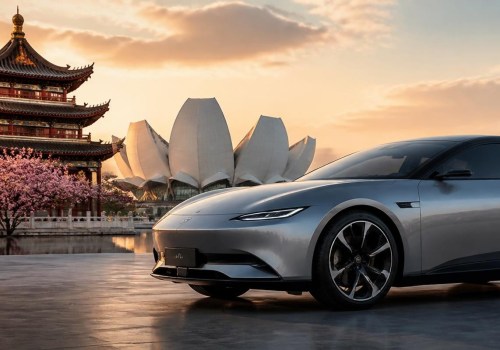
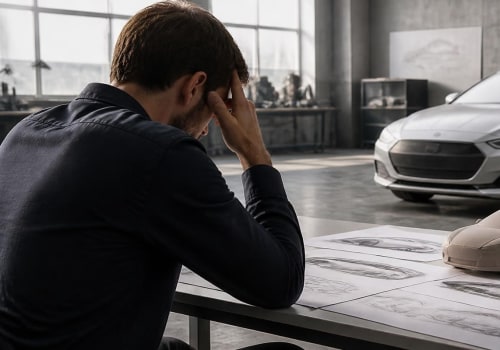
In the world of automotive design, car exterior styling plays a pivotal role in defining a vehicle's identity and appeal. The exterior of a car is often the first aspect that captures a potential buyer's attention, making it essential for manufacturers to invest in innovative and attractive designs. From sleek lines to bold contours, the way a car looks can significantly influence consumer perception and desirability. This is not just about aesthetics; it’s about creating an emotional connection between the vehicle and its owner. The importance of car design extends beyond mere visual appeal.
A well-styled exterior can enhance aerodynamics, improve fuel efficiency, and even contribute to safety features. For instance, the shape of a car can affect how air flows around it, which in turn impacts performance and handling. Additionally, modern consumers are increasingly drawn to vehicles that reflect their personal style and values, making car aesthetics a crucial factor in the competitive automotive market. As we delve deeper into the elements that constitute effective car exterior styling, we will explore how various design components—such as color, shape, and materials—come together to create a cohesive and appealing look. Understanding these elements not only enriches our appreciation for automotive artistry but also highlights the strategic decisions that manufacturers make to attract buyers in an ever-evolving landscape.
The Role of Shape and Proportions
The shape and proportions of a car are fundamental elements that significantly influence its overall aesthetic appeal and functionality.A well-designed vehicle silhouette not only attracts attention but also enhances performance and aerodynamics.
Car Shape Design
The shape of a car is often the first aspect that captures a potential buyer's interest. Designers utilize various shapes to convey different messages; for instance, a sleek, elongated body can suggest speed and agility, while a boxy design may evoke a sense of ruggedness and durability. The curvature of the body panels, the angle of the roofline, and the contour of the fenders all contribute to the vehicle's identity.
Proportions in Car Styling
Proportions play a crucial role in how a car is perceived. The relationship between the height, width, and length of a vehicle can create a sense of balance or imbalance.
For example:
- Long hoods paired with short rear decks often suggest performance-oriented designs.
- A wider stance can enhance stability and give an impression of power.
- Higher ground clearance may indicate off-road capability.
Vehicle Silhouette
The overall silhouette of a vehicle is essential in defining its character. A low-slung silhouette typically conveys sportiness, while taller silhouettes may suggest versatility and practicality. The interplay between different elements such as windows, rooflines, and wheel arches creates a dynamic visual flow that can either attract or deter potential buyers.In conclusion, the shape and proportions of car exterior styling are not merely aesthetic choices; they are integral to how a vehicle performs and how it is perceived in the market.
Understanding these elements allows designers to create cars that are not only visually appealing but also functional and efficient.
Color and Finish: Making a Statement
The color and finish of a car play a pivotal role in its overall exterior styling, influencing not only aesthetics but also consumer perception. As trends evolve, the choice of color can significantly impact a vehicle's appeal and marketability.Car Color Trends
In recent years, certain colors have surged in popularity, reflecting broader societal trends and consumer preferences. For instance, shades like matte black, metallic blue, and crimson red have become staples in the automotive industry. These colors not only enhance the car's visual impact but also convey a sense of modernity and sophistication.Paint Finishes
The type of paint finish can further elevate a car's exterior styling.Options such as glossy, matte, and satin finishes each offer unique characteristics:
- Glossy finishes: Provide a shiny, reflective surface that enhances color vibrancy.
- Matte finishes: Offer a non-reflective surface that gives a more understated, elegant look.
- Satin finishes: Combine elements of both glossy and matte, providing a soft sheen that is visually appealing.
Color Psychology in Cars
The psychology behind color choices is another critical aspect of car exterior styling. Different colors evoke various emotions and perceptions:- Red: Often associated with excitement and passion, making it a popular choice for sports cars.
- Blue: Conveys trust and reliability, appealing to consumers looking for family vehicles.
- Black: Represents luxury and sophistication, often chosen for high-end models.
Lighting Design: More Than Just Functionality
When it comes to car exterior styling, lighting design plays a pivotal role that extends beyond mere functionality. The right lighting not only enhances visibility but also contributes significantly to the overall aesthetic appeal of a vehicle.Headlights and Taillights
- Headlights are often the first feature that captures attention.
Modern designs incorporate sleek shapes and innovative technologies, such as adaptive lighting systems that adjust the beam based on driving conditions.
- Taillights, on the other hand, serve a dual purpose: they ensure safety by signaling intentions to other drivers while also complementing the vehicle's design. The integration of LED technology has allowed for more creative shapes and configurations, making taillights a key element in car exterior styling.
LED Technology in Cars
The advent of LED technology has revolutionized automotive lighting. LEDs are not only energy-efficient but also offer greater design flexibility. This technology allows manufacturers to create distinctive light signatures that can make a vehicle instantly recognizable.
For instance, brands like Audi and BMW have successfully utilized LED lighting to enhance their brand identity.Moreover, LED lights provide improved illumination compared to traditional halogen bulbs, enhancing safety during nighttime driving. The crisp, bright light emitted by LEDs improves visibility for both the driver and oncoming traffic, reducing the likelihood of accidents.In conclusion, effective car lighting design is essential for both aesthetic appeal and safety. As automotive technology continues to evolve, we can expect even more innovative lighting solutions that will further enhance the exterior styling of vehicles.
Grilles and Front Fascia: The Face of the Car
The grille and front fascia of a car serve as its most recognizable features, often referred to as the "face" of the vehicle. These elements not only enhance the aesthetic appeal but also play a crucial role in defining a car's brand identity.Car Grille Design
- Functionality: The grille is primarily designed for airflow, allowing the engine to cool efficiently.
However, its design can vary significantly between models, influencing both performance and style.
- Aesthetic Appeal: Grilles come in various shapes and sizes, from the classic horizontal slats to intricate mesh patterns. This diversity allows manufacturers to create unique looks that resonate with their target audience.
- Brand Recognition: Many automakers have distinct grille designs that are instantly recognizable. For instance, the bold, upright grille of a Jeep or the sleek, horizontal lines of a BMW contribute to immediate brand identification.
Front Fascia Styles
- Sporty vs. Elegant: The front fascia can convey different messages depending on its design.
A sporty front fascia may feature aggressive lines and larger air intakes, while an elegant design might emphasize smooth curves and refined details.
- Integration with Lighting: Modern front fascias often incorporate lighting elements such as LED headlights and daytime running lights. This integration not only enhances visibility but also adds to the overall styling.
- Material Choices: The materials used in the front fascia can also impact styling. From chrome accents to matte finishes, these choices can elevate a car's appearance and align it with consumer preferences.
Aerodynamics: The Intersection of Style and Performance
Aerodynamics plays a crucial role in car exterior styling, merging aesthetic appeal with functional performance.The design of a vehicle's exterior is not merely about visual allure; it significantly impacts how air flows around the car, influencing both fuel efficiency and handling.One of the primary considerations in aerodynamic car design is the shape of the body. Sleek, elongated profiles reduce drag, allowing vehicles to cut through the air more efficiently. This is where the concept of drag coefficient comes into play. A lower drag coefficient indicates that a car experiences less air resistance, which can lead to improved acceleration and higher top speeds.
- Front Design: The front fascia of a car is often designed with smooth contours and sloped hoods to minimize turbulence.
Features like active grille shutters can further enhance aerodynamics by adjusting airflow based on speed.
- Side Profile: The side mirrors and window shapes are optimized to reduce drag. Some manufacturers even integrate side skirts that help direct airflow along the sides of the vehicle.
- Rear Design: A tapered rear end can significantly lower drag. Spoilers and diffusers are not just for show; they help manage airflow, creating downforce that enhances stability at high speeds.
Designers must consider how each element contributes to the overall aerodynamic efficiency while ensuring that the vehicle remains appealing to consumers. As technology advances, we can expect even more innovative designs that push the boundaries of what is possible in both aesthetics and aerodynamics.
Trends in Car Exterior Styling: What’s Hot Right Now?
As we delve into the world of car exterior styling, it's essential to recognize the dynamic trends shaping the automotive industry today. From sleek lines to bold colors, the aesthetic appeal of vehicles is evolving rapidly, influenced by technology, consumer preferences, and environmental considerations.Current Car Styling Trends
One of the most prominent trends in car exterior styling is the shift towards minimalism. Manufacturers are increasingly favoring clean, uncluttered designs that emphasize simplicity and elegance.This trend is often complemented by the use of high-quality materials, such as aluminum and carbon fiber, which not only enhance aesthetics but also improve performance.Another significant trend is the integration of LED lighting. Modern vehicles are now equipped with intricate lighting designs that serve both functional and decorative purposes. From distinctive daytime running lights to dynamic turn signals, LED technology allows for greater creativity in design while improving visibility.
Innovative Features on the Horizon
Looking ahead, the future of car design promises even more exciting innovations. One such development is the rise of adaptive exteriors.These are surfaces that can change color or texture based on environmental conditions or driver preferences, offering a personalized touch to vehicle styling.Additionally, sustainability is becoming a key focus in car exterior styling. Automakers are exploring eco-friendly materials and finishes that reduce environmental impact without compromising on style. This includes recycled plastics and bio-based paints that align with growing consumer demand for greener options.
The Road Ahead
The intersection of technology and design will continue to drive trends in car exterior styling. As electric vehicles gain popularity, we can expect to see more futuristic designs that reflect their innovative nature.The emphasis will likely be on aerodynamics and efficiency, leading to unique shapes that challenge traditional automotive aesthetics.In conclusion, staying abreast of these trends in car exterior styling not only enhances our appreciation for automotive design but also prepares us for the exciting changes that lie ahead in the industry.
FAQs About Car Exterior Styling
When it comes to car exterior styling, many enthusiasts and potential buyers have questions that can help them understand the nuances of design and aesthetics. Here are some frequently asked questions:- What are the main elements of car exterior styling?
The primary elements include the body shape, color, grille design, headlights, taillights, and wheel design. Each component contributes to the overall aesthetic and functionality of the vehicle. - How does aerodynamics affect car styling?
Aerodynamic design is crucial for performance and fuel efficiency. Cars with sleek lines and minimized drag not only look modern but also enhance driving dynamics. - Can I customize my car's exterior styling?
Absolutely! Many car owners opt for custom paint jobs, aftermarket body kits, or unique wheel designs to personalize their vehicles.However, it's essential to ensure that modifications comply with local regulations.
- What colors are trending in car exterior styling?
Currently, popular colors include matte finishes, vibrant hues like electric blue and fiery red, as well as classic shades like black and white. The choice often reflects personal style and market trends. - How important is lighting in car exterior design?
Lighting plays a significant role in both aesthetics and safety. Innovative headlight designs, such as LED or adaptive lighting systems, enhance visibility while adding a modern touch to the vehicle's look.
Conclusion: The Art and Science of Car Exterior Styling
In conclusion, car exterior styling is a multifaceted discipline that combines aesthetics, functionality, and brand identity. The elements discussed throughout this article highlight the importance of thoughtful design in creating vehicles that not only appeal to consumers but also perform effectively on the road.Key elements such as proportions, lines, and color schemes play a crucial role in defining a car's character.Proportions affect how a vehicle is perceived; for instance, a longer hood can suggest power and performance, while a compact design may convey agility and efficiency. The use of lines—whether sharp or smooth—can evoke different emotions and associations, influencing consumer preferences.Additionally, the choice of materials and finishes contributes significantly to the overall impression of a vehicle. High-quality materials can enhance the perceived value, while innovative finishes can set a model apart in a crowded market. Furthermore, lighting design, including headlights and taillights, not only serves practical purposes but also adds to the vehicle's visual appeal.Ultimately, successful car exterior styling requires a balance between artistic vision and engineering precision.
Designers must consider not only how a car looks but also how it interacts with its environment and meets consumer needs. As automotive technology continues to evolve, so too will the principles of exterior styling, making it an exciting field for both designers and enthusiasts alike.By understanding these key elements, manufacturers can create vehicles that resonate with consumers on multiple levels, ensuring that each model is not just a mode of transportation but also a statement of style and innovation.